




Aluminium Foil Jumbo Roll Manufacturers
Holiday demand creates a specific risk for converters, packaging plants, and distributors: a foil shipment that is technically acceptable but arrives too late to slit, emboss, laminate, rewind, pack, and dispatch finished goods before the seasonal sales window.
For Thanksgiving, Christmas, New Year, Ramadan, Eid, and major retail promotion periods, the priority is not simply obtaining metal. It is maintaining on-time production continuity from mill release through final conversion.
Reliable aluminium foil jumbo roll manufacturers should therefore be evaluated as part of a holiday supply solution. The practical question is: can the material reach your facility early enough, in the correct temper and dimensions, with documents that allow receiving inspection to proceed without a hold?
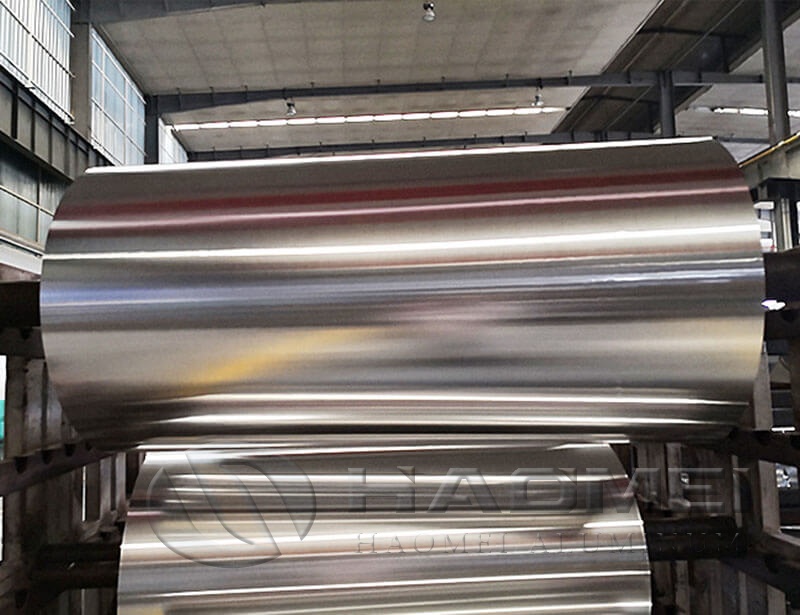
Build the Holiday Requirement Before Requesting Quotations
Start with the finished application, then work backward to the jumbo roll. A food-container operation may need soft, clean foil with stable forming behavior. A flexible-packaging converter may prioritize thickness consistency, pinhole control, and lamination compatibility. A cable, HVAC, or insulation producer may need surface condition and coil geometry that support high-speed processing.
For food-contact applications, specify the applicable market requirements rather than assuming that "food grade" is a complete specification. In the United States, food-contact substances are regulated by the U.S. Food and Drug Administration under the Federal Food, Drug, and Cosmetic Act and relevant provisions of Title 21 of the Code of Federal Regulations. For the EU market, Regulation (EC) No 1935/2004 establishes the framework for food-contact materials, while Regulation (EC) No 2023/2006 addresses good manufacturing practice.
ASTM B479/B479M is also a useful reference when purchasing annealed aluminum and aluminum-alloy foil for flexible barrier, food-contact, and related applications. It does not replace an agreed purchase specification, but it gives purchasing and quality teams a recognized basis for discussing dimensions, workmanship, and testing.
| Holiday supply item | What to define in the purchase order | Why it prevents disruption |
|---|---|---|
| Alloy and temper | Example: 1235, 8011, 8079; O or H temper as required | Prevents poor forming, cracking, or unsuitable downstream behavior |
| Thickness and tolerance | Nominal gauge plus agreed tolerance and measuring method | Reduces variation during rewinding, forming, and lamination |
| Width, ID, OD, and coil weight | Finished width, core size, maximum outside diameter, target net weight | Confirms the roll fits slitters, unwind stands, and warehouse handling limits |
| Surface and cleanliness | Bright or matte side requirement, oil limits if applicable, no visible contamination | Helps avoid print, laminate, or food-packaging rejection |
| Documentation | Certificate of analysis, packing list, coil identification, compliance declarations when required | Speeds incoming inspection and lot traceability |
| Delivery plan | Production date, inspection release date, dispatch date, port or destination date | Creates time for conversion and contingency actions |
A broad Aluminum Foil portfolio can support different seasonal product lines, but each application still needs its own released specification. Do not substitute a general-purpose coil where a converting process depends on controlled gauge, temper, or surface quality.
Verify the Supplier's Ability to Protect Your Production Date
A manufacturer quotation should distinguish metal price, conversion charge, packing, inland freight, ocean or air freight, insurance, duties, and destination handling where relevant. Aluminum prices move with market conditions, so a credible offer states its price basis, currency, validity period, and any index or premium mechanism. A single delivered-price figure without these terms makes comparison difficult.
Use the following pre-award checklist to assess whether a mill or trader can support holiday timing.
- Confirm available capacity. Ask whether material is from current stock, reserved rolling capacity, or a future production slot. Request the planned mill completion date in writing.
- Check conversion time. Calculate calendar days for slitting, rewinding, annealing where applicable, inspection, export packing, and document release. These steps are often overlooked when holiday deadlines are set from vessel departure alone.
- Match packing to handling equipment. Confirm pallet design, eye-to-wall or eye-to-sky orientation, core protection, moisture barriers, and maximum pallet weight. Damaged roll edges can stop a converting line even when the foil chemistry is correct.
- Require coil-level identification. Each roll should connect to production and inspection records through a coil number, heat or batch reference where used, dimensions, net weight, and packing record.
- Set an arrival buffer. Plan receiving inspection, laboratory checks if required, internal transport, slitting, and trial runs before the finished-product dispatch deadline.
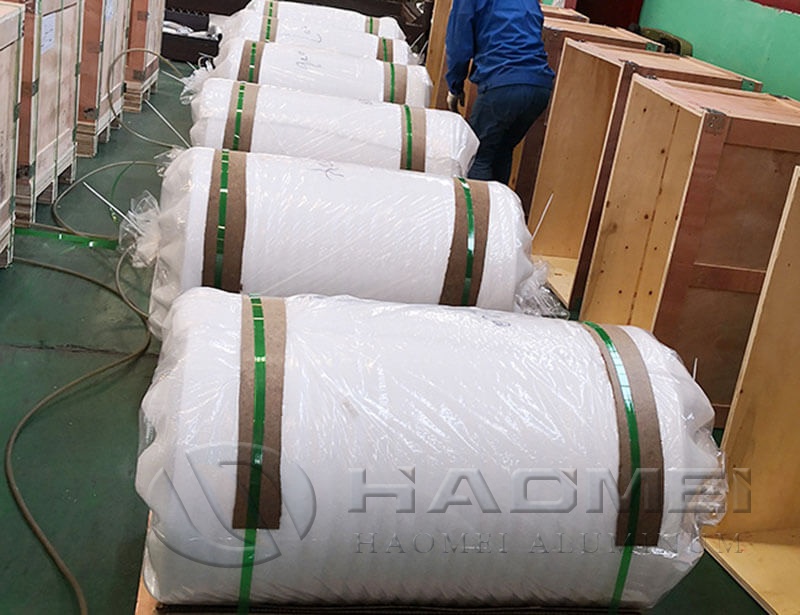
The delivery buffer should be sized around your actual route and process, not a generic lead-time promise. A useful planning method is to set a required factory-arrival date, then subtract receiving time, conversion time, port or road transit, export preparation, and mill production time. Add a contingency period for customs holds, carrier schedule changes, or quality-review delays.
| Stage | Evidence to request | Decision rule |
|---|---|---|
| Technical approval | Approved specification, sample or trial record, agreed test method | Release only after operations and quality sign-off |
| Production | Production schedule or inventory confirmation | Avoid unconfirmed "ready soon" status |
| Inspection | Coil-level certificate and final inspection record | Compare actual gauge, width, temper, and weight to the order |
| Shipment | Packing list, transport booking, dispatch confirmation | Verify package count and coil IDs before payment release where contractually appropriate |
| Receiving | Visual inspection, roll dimensions, document match, sampling plan | Quarantine discrepancies before the rolls enter production |
For food-container programs, Food Foil - Aluminum Foil Manufacturer For Food Container requirements should be documented alongside the intended forming process, not added after shipment. This is particularly important before Christmas and Eid promotions, when a rejected coil may be hard to replace within the selling season.
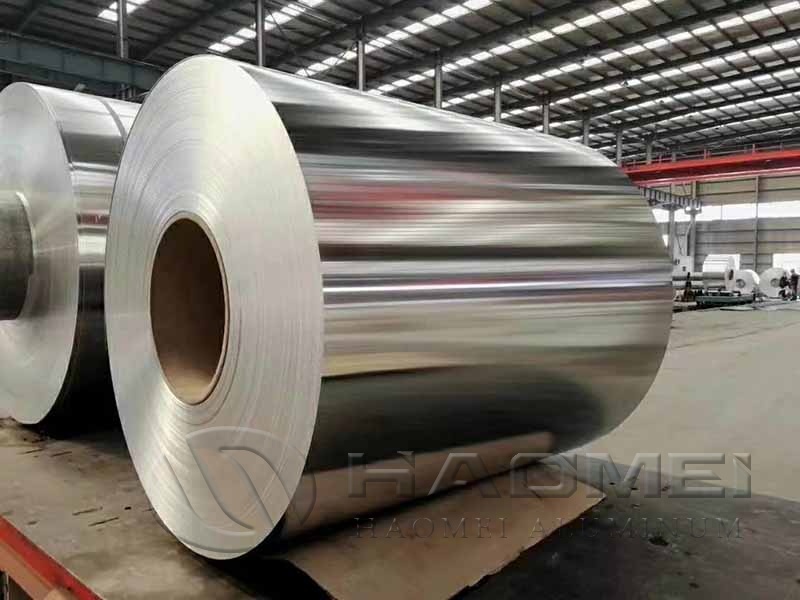
Use a Holiday Release Schedule That Operations Can Execute
A holiday order becomes manageable when every team works from the same release schedule. Purchasing needs the commercial terms. Quality needs the acceptance criteria. Logistics needs the latest safe dispatch date. Production needs the confirmed coil sequence and conversion window.
Use this operational schedule for each order:
- T-12 to T-10 weeks: Freeze application specifications, expected monthly consumption, packaging requirements, and destination compliance needs.
- T-10 to T-8 weeks: Compare technically equivalent offers on price basis, lead time, coil configuration, documents, and shipment terms.
- T-8 to T-6 weeks: Issue the order, approve the production slot, and share receiving and labeling requirements.
- T-6 to T-3 weeks: Review production status weekly. Request inspection evidence before dispatch, not after arrival.
- T-3 weeks onward: Track shipment milestones daily when the material supports a holiday-critical production run. Prepare alternate slit patterns or approved substitute material only if engineering has validated them.
The strongest seasonal supply plan is measurable: every roll has a defined specification, every shipment has a verified date, and every receiving team knows what must be checked before the foil enters the line.
Original source: https://www.hm-alu.com/a/aluminium-foil-jumbo-roll-manufacturers.html
Tags:aluminium foil jumbo roll manufacturers aluminum foil jumbo rolls
Prev: Aluminum Round Circle
Next: Aluminum Round Disc