

Color Coated Aluminum Coil
The top concern for exterior prepainted aluminum is not the initial color match. It is coating durability after forming and years of UV, moisture, and pollution exposure. A low-priced painted coil can create costly replacement work if the coating cracks at bends, fades unevenly, or loses adhesion.
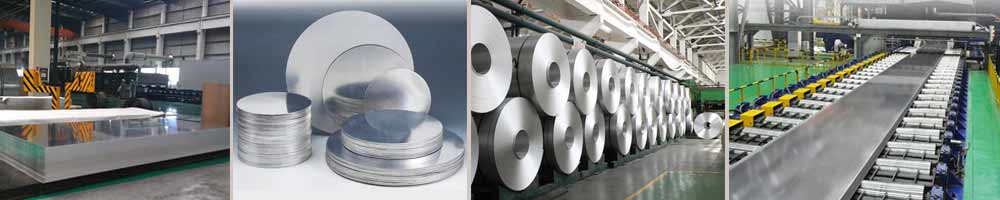
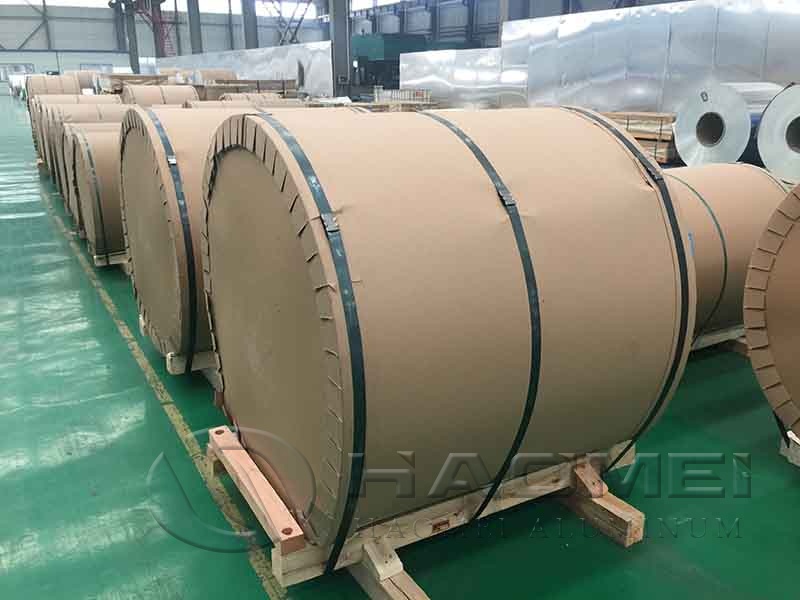
Color coated aluminum coil is produced by continuous coil coating: aluminum substrate is cleaned, chemically pretreated, primed, top-coated, back-coated, oven-cured, cooled, and rewound. The process provides more consistent paint film than post-painting fabricated parts, provided that substrate, pretreatment, paint system, curing, and inspection are controlled together.
Specify Coating Durability Before Color and Price
Start with the service environment. A façade in a high-UV region, a coastal roof, and an indoor ceiling require different alloy and paint-system combinations. Do not specify only color code and thickness.
| Item | PE Polyester | SMP Polyester | PVDF Fluoropolymer |
|---|---|---|---|
| Typical use | Interior panels, moderate-exposure building products | Roofing and cladding with stronger weathering demand | Premium façades, coastal areas, high-UV exposure |
| UV and color retention | Moderate | Better than standard PE | High when correctly formulated and applied |
| Typical dry-film target | Often 18-25 μm total top-coat system | Project-dependent | Often 25-30 μm or project-specified |
| Cost level | Lower | Medium | Higher |
| Main specification risk | Early chalking or fading outdoors | Performance varies by formulation | Assuming every fluoropolymer paint meets the same performance level |
Film thickness ranges are common market targets, not universal acceptance criteria. The purchase specification should define dry-film thickness by layer, including primer, topcoat, and back coat, with minimum and average values.
For demanding architectural exposure, specify the resin system, finish, gloss range, and test standard rather than using "PVDF" as a standalone quality claim. When a project requires high-performance fluoropolymer coating, reference the applicable performance standard and request the coating supplier's technical data. PE PVDF Color Coated Aluminum Coils can be compared by resin chemistry, coating build, substrate alloy, and intended exposure class.
Material Selection Checklist
Alloy and temper: 3003 and 3105 are widely used for building cladding and roofing because they balance formability and strength. Confirm bend radius and forming direction for the selected temper.
Metal thickness: State nominal thickness and permitted tolerance. Paint adds thickness but does not replace substrate metal in structural calculations.
Surface treatment: Require documented cleaning and conversion treatment. Pretreatment directly affects wet adhesion and corrosion resistance.
Color control: Define RAL, Pantone, physical approved sample, gloss level, and permitted color difference. Color data must state the measurement geometry, illuminant, and acceptance limit.
Back coat: Specify back-coat type and thickness if the reverse side contacts insulation, adhesive, foam, or condensate.
Protective film: State film type, thickness, UV exposure limit, and removal window. Film left too long can leave adhesive residue.
Control Cost, Supply Risk, and Compliance
A workable quotation separates metal value from conversion value. This prevents disputes when aluminum market prices move between inquiry, order confirmation, and shipment.
Estimated coil mass:
Weight (kg) = width (mm) × thickness (mm) × length (m) × 0.00270
The factor uses aluminum density of approximately 2.70 g/cm³. Actual invoiced mass can vary with alloy density, dimensional tolerance, coating weight, and weighing method.
| Cost component | What to lock in the contract | Commercial risk if omitted |
|---|---|---|
| Primary aluminum reference | Named exchange or published reference, pricing date, currency | Unclear exposure to market movement |
| Regional premium | Premium source and timing | Different local delivery premiums applied later |
| Conversion | Rolling, coating, slitting, packaging | Hidden charges for narrow widths or special colors |
| Paint system | Resin type, supplier approval, coating build | PE substituted for higher-weathering finish |
| Freight and terms | Incoterm, port or destination, insurance responsibility | Freight volatility and damage claims |
| Scrap and coil yield | ID, OD, maximum coil weight, edge trim allowance | Mismatch with decoiler and fabrication yield |
Aluminum pricing follows a cycle influenced by primary-metal benchmarks, regional premiums, energy costs, capacity utilization, and freight. Coating conversion costs can also rise when fluoropolymer resin, pigments, or pretreatment chemicals tighten. For long-running projects, use a transparent metal-price adjustment formula while fixing conversion, paint, and packaging charges for a defined period.
For supply continuity, approve at least one equivalent substrate route only after trial validation. Confirm alloy source, coating line location, paint brand or approved formulation, coil ID and OD, packaging method, and shipment window. Standardized Aluminum Trim Coil dimensions can reduce slitting loss and improve mill scheduling, but equipment limits at the fabrication plant remain the controlling factor.
Compliance documentation should match the destination and project scope. EN 1396 covers coated aluminum and aluminum-alloy products for general applications. The EN 13523 series provides test methods for coil-coated metals. ASTM B209 is commonly used for aluminum and aluminum-alloy sheet and plate substrate requirements. For EU-bound products, obtain REACH SVHC communication and RoHS documentation where the product scope requires them. Do not treat a general declaration as proof of a project-specific coating performance requirement.
Inspect Before Release and After Arrival
Request production records before dispatch, not only a final certificate. Inspection should cover the painted surface, coil geometry, coating performance, and packing condition.
| Inspection point | Practical control | Reference method or record |
|---|---|---|
| Alloy and thickness | Check coil label, mill certificate, thickness map | EN 1396 or ASTM B209 as specified |
| Coating thickness | Measure multiple points across coil width | ISO 2808 or agreed calibrated method |
| Color and gloss | Compare instrument data with approved standard panel | Defined ΔE, gloss angle, illuminant, geometry |
| Adhesion | Test after curing and, when required, after humidity exposure | ASTM D3359 or agreed project method |
| Bend performance | Form coupons to the agreed minimum bend radius | EN 13523-7 or agreed T-bend procedure |
| Surface appearance | Check pinholes, craters, scratches, roll marks, and edge damage | Approved visual standard under defined lighting |
| Packaging | Verify moisture barrier, edge protection, pallet stability, labels | Packing list and loading photographs |
Use retained samples from the first approved coil and from each color lot. Record coil number, paint batch, production date, width, thickness, and test results. At receipt, inspect packaging before unloading, photograph any wet wrapping or impact damage, and quarantine disputed coils before slitting or forming. This preserves evidence if a coating, transit, or handling claim must be traced.
Original source: https://www.hm-alu.com/a/color-coated-aluminum-coil.html