

Aluminium Foil for Cooking
Holiday menus create a predictable pressure point for caterers, meal-prep brands, restaurants, and food-container converters: more hot food must be wrapped, baked, transported, and held without delays. For aluminium foil for cooking, the priority is not simply ordering more material. It is securing consistent food-contact compliance and converting performance before seasonal demand shortens production windows.
The practical holiday solution is a documented foil specification that matches the actual use: oven cooking, wrapping, tray lidding, or food-container production. This prevents costly substitutions when Thanksgiving, Christmas, New Year celebrations, Ramadan iftar service, or year-end corporate catering increases demand.
Build the Holiday Specification Around Food-Contact Compliance
Food-contact suitability is the first concern for cooking applications. A foil supplier should provide traceable documentation for the destination market and the intended conditions of use, rather than a generic statement that the material is "food grade."
For products placed on the EU market, food-contact materials must comply with Regulation (EC) No 1935/2004. It requires materials not to transfer constituents to food in quantities that could endanger health, cause an unacceptable change in food composition, or deteriorate organoleptic characteristics. Good manufacturing practice is addressed by Commission Regulation (EC) No 2023/2006.
In the United States, food-contact packaging must meet applicable Food and Drug Administration requirements under the Federal Food, Drug, and Cosmetic Act. The appropriate evidence depends on the finished article, coatings, adhesives, inks, and intended food contact. Do not assume that documentation for bare foil also covers lacquered, printed, laminated, or embossed constructions.
Use this qualification checklist before issuing a seasonal production release:
| Checkpoint | What to request | Why it matters during holidays |
|---|---|---|
| Material identification | Alloy and temper on the mill certificate | Confirms the approved input is supplied consistently. |
| Food-contact declaration | Declaration of compliance for the selling market | Supports customer and regulatory records. |
| Intended-use statement | Food type, contact time, temperature, and oven use | Prevents use outside validated conditions. |
| Conversion data | Thickness tolerance, width tolerance, coil ID, and surface condition | Reduces line stoppages and poor folding or forming. |
| Traceability | Coil, batch, and shipment identification | Speeds containment if a complaint occurs. |
| Surface treatment | Confirmation of bare, coated, lubricated, or printed condition | Coatings and additives require separate review. |
For tray and lid converters, a product such as Food Foil - Aluminum Foil Manufacturer For Food Container should be assessed against the finished container process, including stamping, folding, sealing, and stacking. A foil that performs well as a household wrap may not run reliably in a high-speed container line.
Match Foil Construction to the Holiday Cooking Task
Cooking foil is often used across several operations, but one thickness or temper does not automatically fit every task. Specify the application first, then compare samples from the same production route planned for the holiday order.
| Holiday application | Main operating risk | Specification focus | Acceptance test before release |
|---|---|---|---|
| Oven roasting and baking | Tear during covering or handling | Gauge consistency and tensile performance | Wrap and remove from representative pans after heating. |
| Catering wraps | Pinhole-related leakage and weak folds | Surface integrity, dead-fold behavior, roll winding | Wrap hot and cold menu items, then inspect seams. |
| Foil food trays | Cracking during deep drawing | Alloy, temper, elongation, and thickness consistency | Run a forming trial using production tooling. |
| Lidding and sealing | Wrinkling or poor seal consistency | Width, flatness, coating compatibility, surface cleanliness | Conduct sealing trials at planned line settings. |
| Grill or open-flame use | Damage from direct flame exposure | Clear end-use instructions | Validate only under the customer's controlled cooking procedure. |
The U.S. Department of Agriculture notes that aluminum foil can be used in conventional ovens, while the FDA warns that metal foil should not be used in microwave ovens because it can cause arcing. Include those handling limits in artwork, pack instructions, or food-service operating procedures when relevant. This reduces avoidable holiday-service incidents.
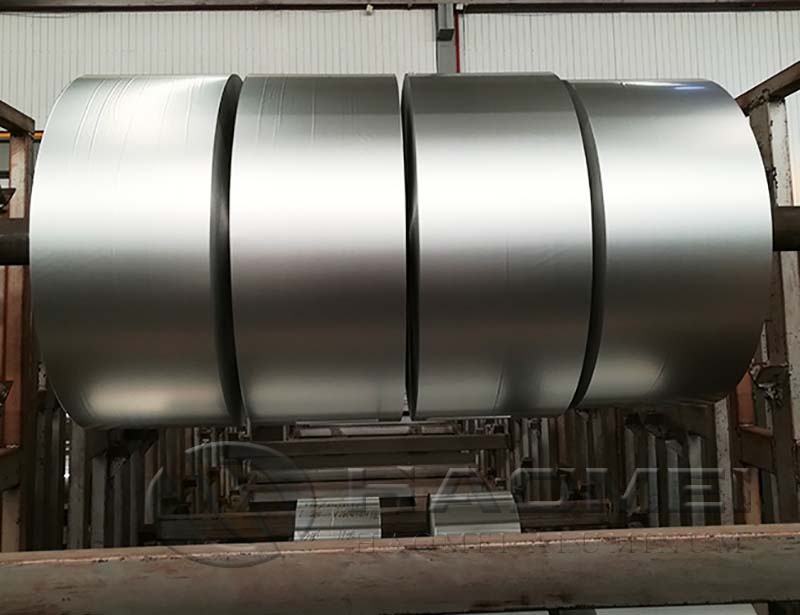
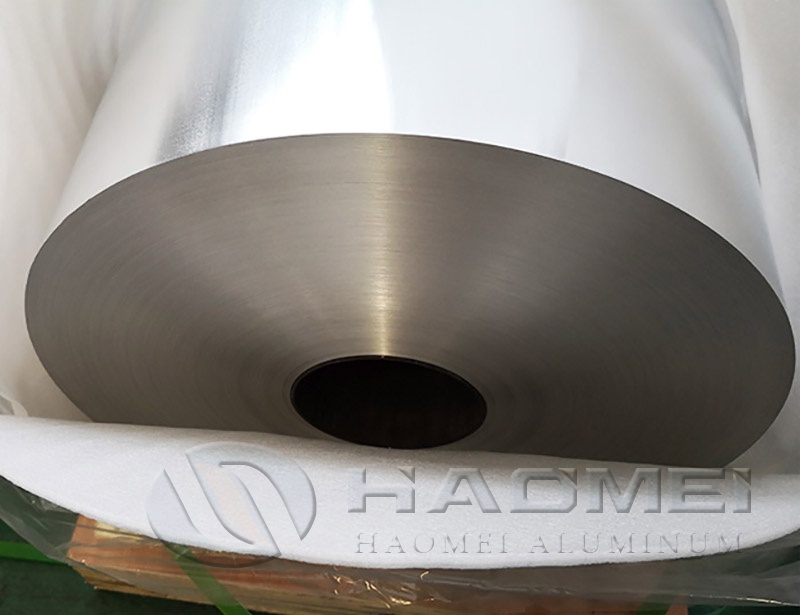
For a general material range, Aluminum Foil can be evaluated by thickness, width, temper, surface condition, and final use. Request samples cut from the proposed production specification, not merely a display sample. The difference is important when seasonal menus involve acidic sauces, salty marinades, long hot-holding periods, or repeated folding.
Turn Product Offers Into a Reliable Seasonal Supply Plan
A holiday offer should be comparable, auditable, and tied to delivery dates. Price alone cannot show whether a proposed coil will meet the required width tolerance, packaging configuration, or food-contact evidence. Ask suppliers to quote on identical technical and commercial terms.
Use the following request format:
- State the finished use, market, food type, maximum temperature, and contact duration.
- Define foil thickness, width, temper, allowable tolerances, coil weight range, and core dimensions.
- Identify whether the foil is bare or coated, and whether it will be printed, laminated, embossed, formed, or sealed.
- Request mill test certificates, food-contact documentation, and a sample or trial coil from the intended specification.
- Set a delivery schedule with production lead time, inspection time, and contingency stock before the holiday peak.
- Confirm packaging protection against moisture, edge damage, and telescoping during transport and storage.
A useful comparison is to calculate material usage from finished consumption, then add only the validated process allowance for trim, set-up, and forming loss. This is more reliable than ordering an arbitrary surplus that may become obsolete after the seasonal menu changes.
Holiday demand rewards early specification control. When compliance documents, conversion trials, packaging requirements, and delivery milestones are agreed before peak season, cooking foil becomes a dependable operational material rather than a last-minute substitute.
Original source: https://www.hm-alu.com/a/aluminium-foil-for-cooking.html
Tags:aluminium foil for cooking food-grade aluminum foil
Prev: Aluminum Round Blanks