

1000 Series Aluminum Properties
Feature focus: high electrical and thermal conductivity. For many industrial orders, the main concern is not strength but conductivity, corrosion resistance, and stable formability. That is where 1000 series aluminum stands out.
What 1000 series aluminum is
1000 series aluminum is commercially pure aluminum with a minimum aluminum content of 99.0% or higher, depending on grade. Common grades include 1050, 1060, 1070, 1100, and 1350. In international practice, higher purity generally means better conductivity and corrosion resistance, but lower mechanical strength.
For procurement, this family is widely used in aluminum sheet plate, coil, strip, foil, and discs for electrical, chemical, architectural, and cookware applications. If the job requires deep drawing, anodizing appearance, reflector performance, or busbar conductivity, this series is often evaluated first.
Typical standards used in trade include ASTM B209 for sheet and plate, ASTM B210 for drawn seamless tube, ASTM B479 for foil, and EN 485 / EN 573 in Europe. Alloy designation systems are maintained by The Aluminum Association and aligned with widely used market naming conventions.
Core properties that matter in orders
The table below summarizes the practical differences among common pure aluminum grades.
| Grade | Minimum Al content | Main advantage | Typical conductivity reference | Typical use |
|---|---|---|---|---|
| 1050 | 99.5% | Good formability, corrosion resistance | High | cookware, reflectors, chemical equipment |
| 1060 | 99.6% | Better conductivity than 1050, low cost | Very high | busbars, insulation cladding, signs |
| 1070 | 99.7% | Higher conductivity and purity | Excellent | capacitor foil stock, electrical uses |
| 1100 | 99.0% | Better strength than 1050/1060 in many cases | High | general fabrication, nameplates |
| 1350 | 99.5% | Electrical conductor alloy | Very high, commonly specified for electrical applications | power transmission components |
Published property values vary by temper, thickness, and standard. For example, electrical conductivity for EC-grade 1350 is commonly specified around 61% IACS or higher in conductor applications, while thermal conductivity for pure aluminum is generally around 220-235 W/m·K depending on alloy and condition. Density is about 2.70 g/cm3.
Mechanical strength is the trade-off. Typical tensile strength for annealed 1050 or 1060 sheet is much lower than 3000, 5000, or 6000 series material. That makes 1000 series unsuitable where structural load is the priority.
Practical property comparison
| Property | 1000 series performance | Procurement implication |
|---|---|---|
| Electrical conductivity | Excellent | Preferred for busbars, transformer parts, conductor stock |
| Thermal conductivity | Excellent | Good for heat transfer parts and heat shields |
| Corrosion resistance | Excellent in many atmospheric and chemical environments | Useful for chemical tanks, insulation jacketing |
| Formability | Excellent | Suitable for deep drawing and spinning |
| Weldability | Good | Easier fabrication in simple assemblies |
| Strength | Low | Avoid for load-bearing parts unless thickness compensates |
| Anodizing appearance | Good to very good | Often selected for decorative and reflective finishes |
Process, applications, and what to verify before placing an order
Processing routes and temper choices
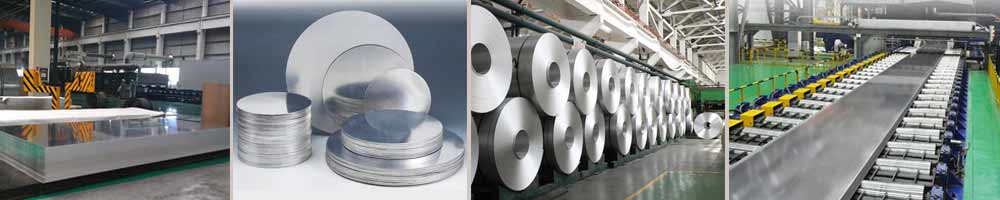
Most 1000 series products are made by DC casting, hot rolling, cold rolling, intermediate annealing, finishing, and slitting or blanking. Performance is strongly affected by temper.
Common tempers include:
- O: fully annealed, best ductility
- H12/H14/H16/H18: strain-hardened to increasing strength levels
- H24: strain-hardened and partially annealed
If the part will be bent, drawn, or spun, start with O or softer H tempers. If flatness and dent resistance matter more, H14 or H24 is often considered.
A frequent sourcing mistake is to specify alloy but not end-use forming method. That can lead to edge cracking, orange peel, or inconsistent springback. For fabricated parts, always align alloy, temper, and thickness tolerance with the process route.
Typical applications by product form
| Product form | Common grades | Typical applications |
|---|---|---|
| Sheet / plate | 1050, 1060, 1100 | reflectors, signs, cladding, utensils, chemical equipment |
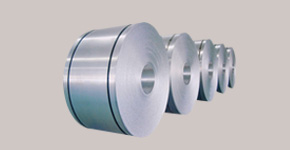
| Coil / strip | 1050, 1060, 1070 | transformer winding, insulation jacketing, stamping stock |
| Foil | 1070, 1235 | capacitor foil stock, packaging, insulation lamination |
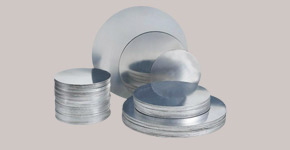
| Discs / circles | 1050, 1060, 1100 | cookware, lighting parts, spun components |
When comparing with Aluminum Sheet Plate options in stronger alloys, 1000 series usually wins on conductivity, surface purity, and deep drawing response, but not on strength.
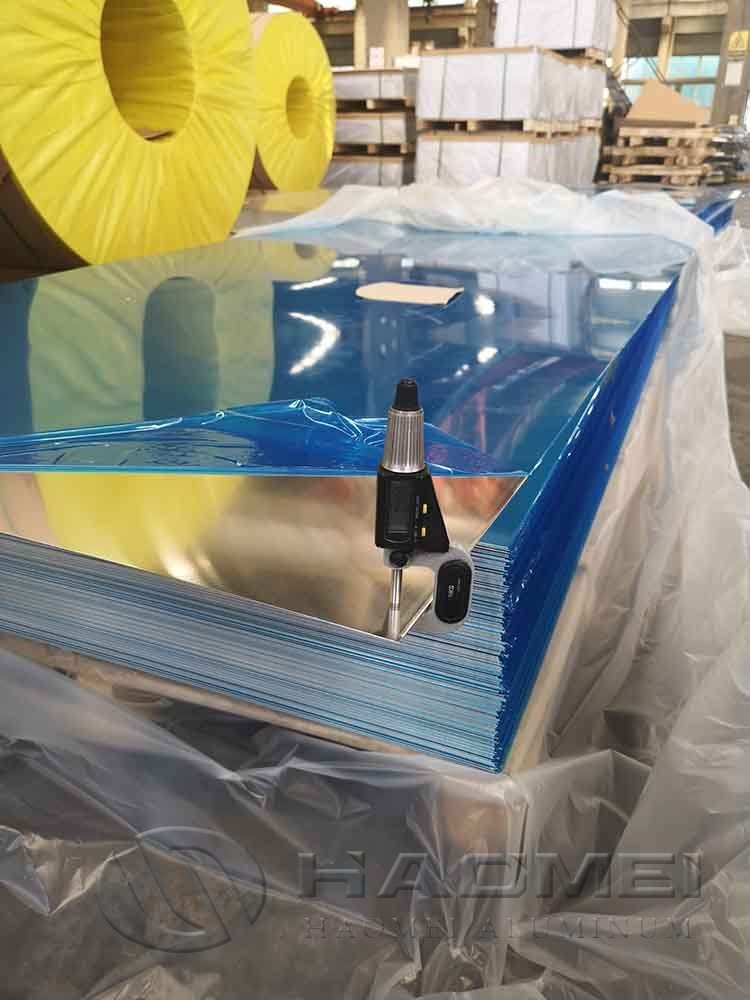
For decorative applications requiring high reflectivity or anodized finish consistency, some buyers also compare pure aluminum with products from a Mirror Aluminum Sheet Company, especially where surface quality and protective film performance are critical.
Pricing, supply chain, and compliance checks
1000 series pricing typically follows three layers:
- LME aluminum price.
- Regional premium or local ingot premium.
- Conversion premium for rolling, annealing, slitting, surface finish, packaging, and certification.
Because alloying additions are minimal, pure aluminum products are often cost-competitive against more complex alloys, but final conversion cost can rise sharply for tight thickness tolerance, high surface quality, small-lot circles, or foil gauge precision.
As a market rule, conductivity grades such as 1070 and 1350 may carry a premium over 1050 or 1060 when chemistry control and electrical performance certification are stricter. Lead time can also widen when demand from cable, transformer, or capacitor sectors is strong.
Order checklist
Before confirming production, verify these points:
- Alloy and standard: ASTM, EN, or GB requirement
- Temper: O, H14, H24, or other exact code
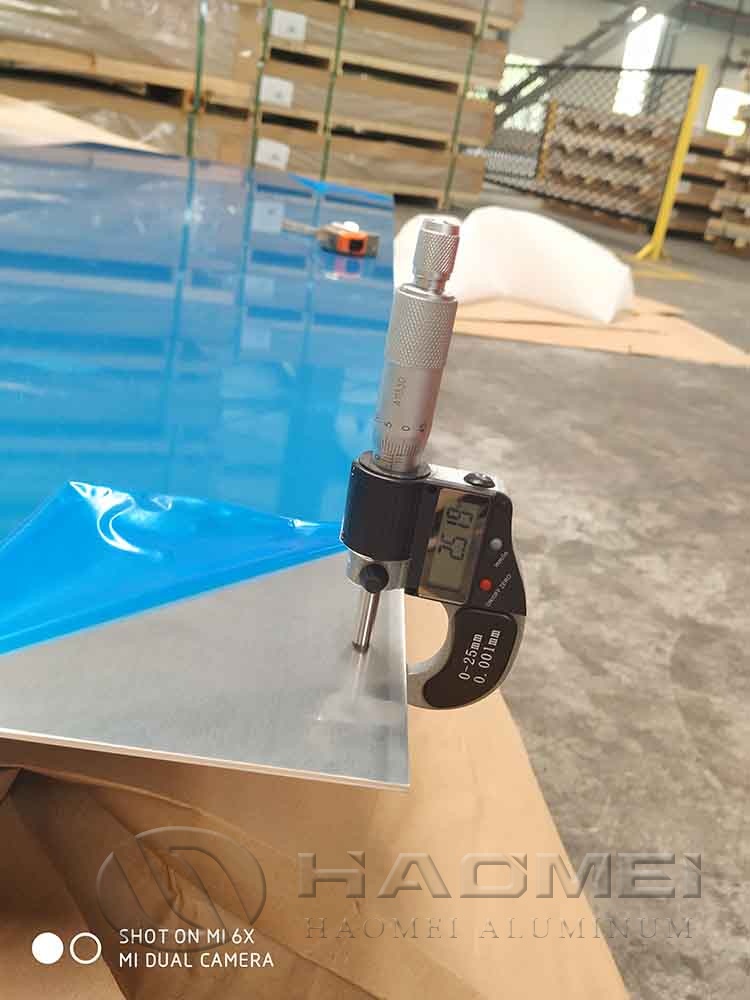
- Thickness, width, length, and tolerance
- Conductivity requirement, if electrical use
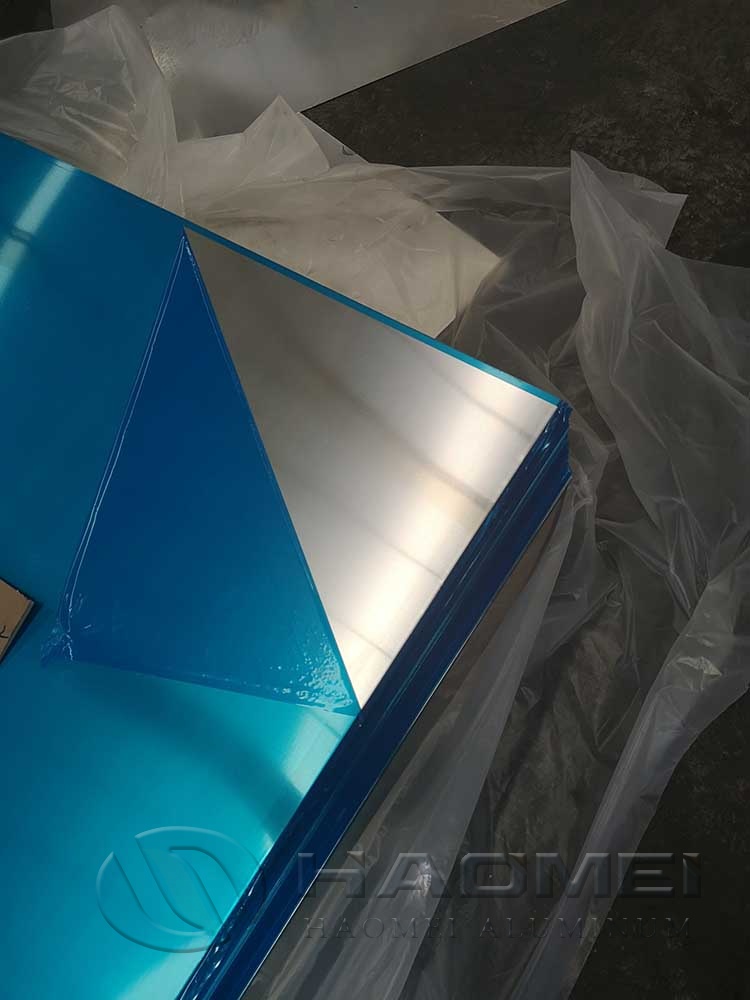
- Surface finish: mill finish, anodizing quality, protective film
- Coil ID/OD or disc diameter and flatness
- Mechanical properties and test certificate requirements
- Packaging: export seaworthy, eye-to-sky or eye-to-wall
- Compliance documents: RoHS, REACH, and if needed food-contact declarations
Common problems and fast decisions
| Problem | Likely cause | Action |
|---|---|---|
| Cracking during drawing | Temper too hard | Shift to O temper; review grain structure |
| Conductivity below target | Wrong grade or chemistry drift | Specify 1070 or 1350 with test method |
| Surface scratches | Poor interleaving or packaging | Require film, paper interleave, and handling standard |
| Coil set after slitting | Excessive work hardening | Ask for stress-relief or softer temper |
| Uneven anodizing | Surface contamination or mixed lots | Lock production batch and finish route |
For most industrial uses, 1050 and 1060 cover the broadest demand because they balance cost, formability, and corrosion resistance. Choose 1070 or 1350 when electrical performance is the first priority. Move to stronger alloy families if load-bearing capacity matters more than conductivity.
That decision framework reduces rework, especially when sourcing high-volume rolled products for electrical, cookware, reflector, and chemical equipment applications.
Original source: https://www.hm-alu.com/a/1000-series-aluminum-properties.html
Tags:1000 Series Aluminum Properties 1050 aluminum 1060 aluminum 1070 aluminum aluminum sheet plate
Prev: 1100 Aluminum Plate Suppliers
Next: How to Choose the Right Aluminum Circle for Deep Drawing