

1050 Aluminum Sheet
1050 aluminum sheet is a commercially pure aluminum product used when conductivity, formability, corrosion resistance, and clean surface are more important than high mechanical strength. In volume orders, the recurring concern is not whether 1050 can be bent or stamped; it usually can. The real risk is receiving material with unstable conductivity, poor flatness, edge burrs, or surface marks that reduce fabrication yield.
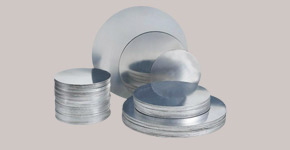
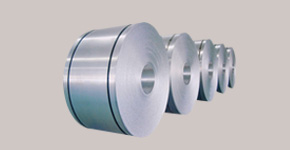
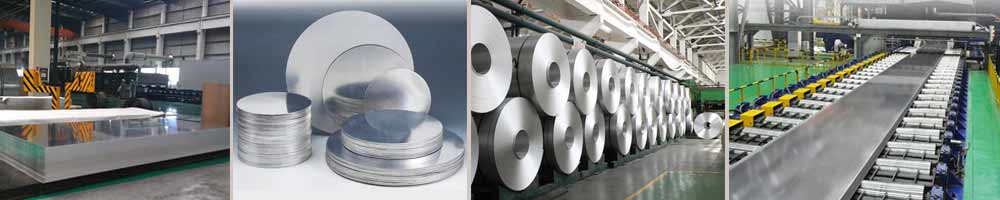
The alloy is commonly supplied as plate-gauge flat stock, wide coil, slit strip, and converter foilstock. For wider thickness programs, many sourcing teams compare Aluminum Sheet Plate options before locking the specification.
Standards and alloy identity
1050 belongs to the 1xxx series, which means aluminum purity is the defining feature. The international equivalent often used in Europe is EN AW-1050A. In North American orders, ASTM B209/B209M is commonly referenced for aluminum flat-rolled products. In European contracts, EN 485 covers mechanical properties, dimensions, tolerances, and inspection, while EN 573-3 defines chemical composition.
| Item to verify | Common reference | What to confirm on documents |
|---|---|---|
| Alloy designation | AA 1050, EN AW-1050A | Same alloy named on quotation, label, and mill test certificate |
| Chemistry | EN 573-3, Aluminum Association limits | Aluminum minimum 99.50%; Fe, Si, Cu, Mg, Mn, Zn, Ti within limits |
| Flat-rolled product standard | ASTM B209/B209M or EN 485 | Thickness, width, length, flatness, surface inspection route |
| Test certificate | EN 10204 3.1 often requested | Heat number, coil number, chemical results, temper, mechanical results |
Do not treat 1050, 1060, and 1100 as automatic substitutes. They are similar, but the minimum aluminum content and impurity limits differ. This can affect electrical conductivity, anodizing appearance, and customer approval records.
Properties that drive performance
The main reason to specify this alloy is predictable conductivity with excellent cold formability. Annealed 1050 aluminum is typically around 61% IACS electrical conductivity, depending on impurity content and temper. Its density is about 2.71 g/cm3, elastic modulus about 69 GPa, and thermal conductivity is commonly reported near 229 W/m·K for high-purity commercial aluminum. These values are reference data; the mill test certificate and agreed standard govern acceptance.
| Property | 1050 aluminum behavior | Procurement impact |
|---|---|---|
| Electrical conductivity | High for commercial aluminum, commonly around 61% IACS in soft temper | Suitable for busbar parts, electrical enclosures, heat-spreading components |
| Formability | Excellent in O and H111 tempers | Good for deep drawing, spinning, bending, stamping |
| Strength | Low compared with 3xxx, 5xxx, and 6xxx alloys | Avoid for structural load-bearing parts |
| Corrosion resistance | Very good in atmospheric and many mild chemical environments | Useful for signs, insulation cladding, reflectors, packaging equipment |
| Weldability | Good with common fusion and resistance welding processes | Joint design must account for low base-metal strength |
| Heat treatment | Not heat treatable | Strength comes from cold work temper, not solution treatment |
Temper selection has a direct effect on fabrication yield. O temper offers maximum ductility. H14 is a frequent choice when moderate stiffness and better handling resistance are needed. H18 gives higher strength but lower bendability. If parts require tight-radius bending, order a sample trial before moving from O or H12 to harder tempers.
1050 versus nearby alloys
The nearest alternatives are 1060, 1100, and 3003. When the application needs higher strength, an Aluminum Alloy Sheet such as 3003 or 5052 may be more suitable, but conductivity and softness will change.
| Alloy | Minimum aluminum content | Strength level | Conductivity trend | When to choose |
|---|---|---|---|---|
| 1050 | 99.50% | Low | High | Conductive parts, reflectors, stamping, chemical equipment lining |
| 1060 | 99.60% | Low | Slightly higher potential than 1050 | Electrical applications requiring tighter purity control |
| 1100 | 99.00% | Low to moderate | High, but usually below 1050/1060 | General fabrication, cookware, decorative products |
| 3003 | Aluminum-manganese alloy | Higher than 1050 | Lower | Better dent resistance, tanks, roofing, general panels |
| 5052 | Aluminum-magnesium alloy | Much higher | Lower | Marine parts, transport panels, stronger formed components |
A frequent specification error is choosing 1050 for stiffness because it looks cost-effective per kilogram. For wide panels, thin covers, and long unsupported parts, deflection may be the limiting factor. In those cases, changing thickness, temper, or alloy can reduce scrap more effectively than negotiating a lower conversion charge.
Testing plan for incoming inspection
For repeat orders, define inspection before production. A short test plan prevents disputes over terms such as bright, flat, burr-free, or soft.
| Test item | Common method | Acceptance focus |
|---|---|---|
| Chemical composition | Optical emission spectroscopy or ICP analysis | Confirms 99.50% minimum aluminum and impurity limits |
| Tensile properties | ASTM E8/E8M or EN ISO 6892-1 | Verifies temper and strength range |
| Hardness | ASTM E10 or EN ISO 6506 | Fast temper screening, not a full substitute for tensile testing |
| Electrical conductivity | ASTM E1004 eddy-current method | Confirms conductivity for electrical and thermal applications |
| Bend test | EN ISO 7438 or agreed internal method | Checks cracking risk at required radius |
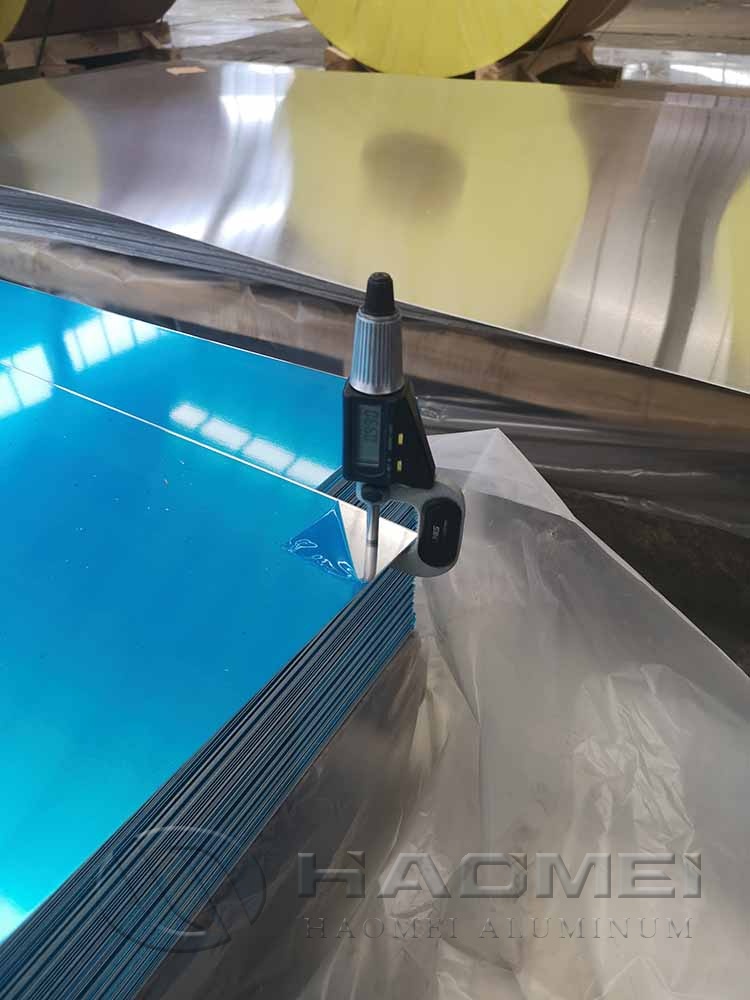
| Thickness and width | Calibrated micrometer, gauge, tape, CMM where needed | Confirms tolerance class and slit accuracy |
| Surface inspection | Visual inspection under agreed light conditions | Identifies scratches, roll marks, oil stains, water marks, dents |
For slit strip, add burr height, camber, and edge wave to the inspection record. For anodized or mirror-finished downstream use, surface requirements should be stricter than standard mill finish acceptance.
Purchase specification checklist
Use one controlled specification sheet per item number. Include the following points:
- Alloy: AA 1050 or EN AW-1050A, with no substitution unless approved in writing.
- Standard: ASTM B209/B209M, EN 485, or the contract standard required by the end user.
- Temper: O, H12, H14, H16, H18, or another agreed temper.
- Dimensions: thickness, width, length, inside coil diameter if supplied in coil form, and maximum coil weight.
- Tolerances: thickness tolerance, width tolerance, flatness class, diagonal tolerance for cut-to-size material.
- Surface: mill finish, brushed, anodizing quality, PVC film, paper interleaving, oil level, and acceptable defect criteria.
- Tests: chemistry, tensile, hardness, conductivity, bend test, and sampling frequency.
- Documentation: EN 10204 3.1 certificate, packing list, heat number traceability, and label format.
- Packaging: moisture protection, pallet strength, edge protection, desiccant, and container loading method.
- Commercial formula: LME aluminum reference plus regional premium, conversion cost, surface treatment, packaging, and freight.
For price comparison, separate metal value from processing cost. The aluminum base is usually tied to London Metal Exchange aluminum references and regional premiums, while conversion cost depends on thickness, width, temper, surface protection, tolerance level, and order complexity. Tight thickness tolerance, narrow slitting, film protection, and small coil weights normally increase processing cost.
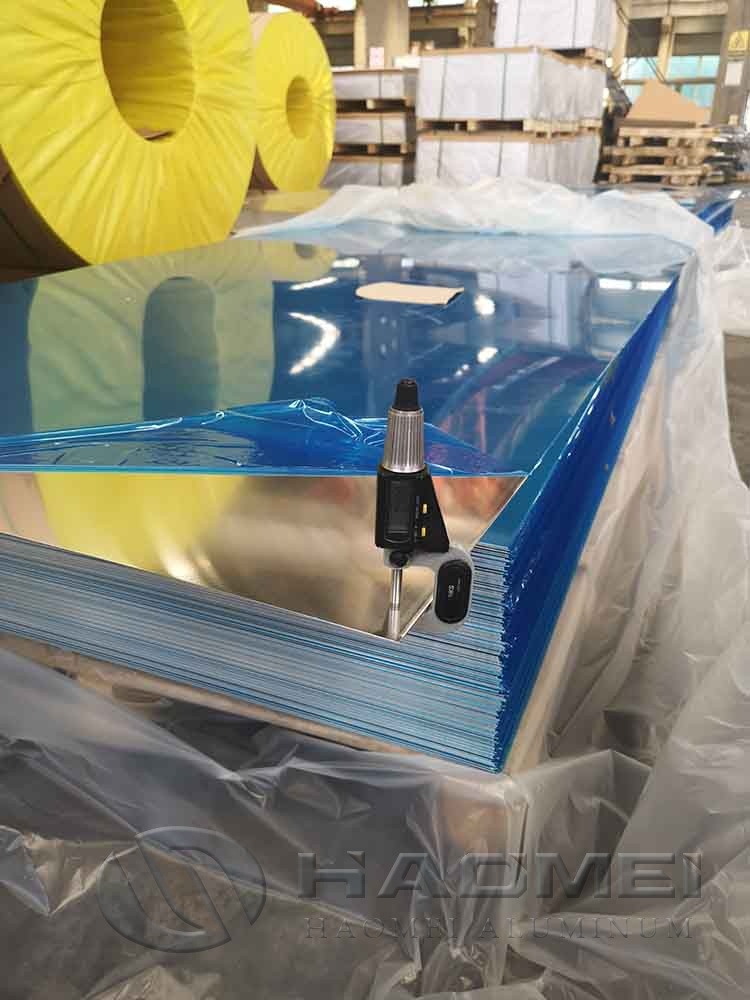
Before shipment, request photos of coil labels, edge condition, packing, and at least one thickness measurement record. For repeat programs, keep a retained sample from the approved delivery and compare future batches against it for color, surface, hardness, and bend behavior.
Original source: https://www.hm-alu.com/a/1050-aluminum-sheet.html
Tags:1050 Aluminum Sheet EN AW-1050A ASTM B209 aluminum conductivity pure aluminum sheet
Prev: 1000 Series Aluminum Sheet
Next: Aluminum Circle