




Highlighting Foil Roll Supplier
Bulk programs need more than a shiny surface. A reliable highlighting foil roll partner should deliver consistent gauge, stable temper, clean surface, and packaging that survives long-distance shipping without edge damage or telescoping. For marine aluminum procurement teams supporting shipyards, outfitters, and offshore contractors, this matters because foil often sits inside a broader aluminum supply chain that already demands tight traceability and predictable lead times.
What to Evaluate in a Highlighting Foil Roll Supplier
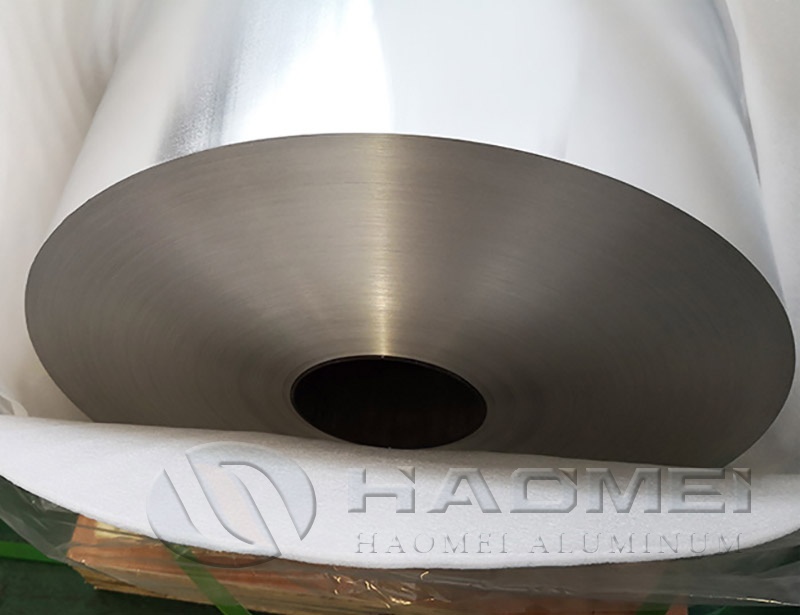
A highlighting foil roll is typically supplied as a jumbo roll and then slit to salon and industrial widths. The performance you see during dispensing, folding, embossing, or coating is driven by upstream control of alloy chemistry, rolling schedule, and finishing. When comparing suppliers, focus on technical indicators that can be verified by documentation and incoming inspection.
1. Gauge and flatness consistency
Thickness tolerance affects tearing behavior and the ability to fold cleanly without cracking.
Flatness and edge shape influence roll build, web tracking on slitters, and how the foil feeds from dispensers.
2. Surface cleanliness and pinhole control
Surface oil, black spots, or embedded particles can transfer to hair color products or coatings.
Pinhole frequency is tied to rolling cleanliness and filtration. For end uses involving barrier needs, pinholes become a reject driver.
3. Temper and workability
Soft temper foils are easier to fold and conform, while harder tempers can improve stiffness and handling. Your specification should define temper in a way the mill can repeat.
4. Coil integrity and packaging
Telescoping, edge dents, and core crush lead to waste during slitting and converting.
Confirm core type, roll ID and OD, and whether corner protectors and moisture barriers are included.
If you are sourcing multiple foil grades under one program, it can help to align core materials and pallet standards with your existing marine aluminum packaging rules.
Product Options and Typical Supply Formats
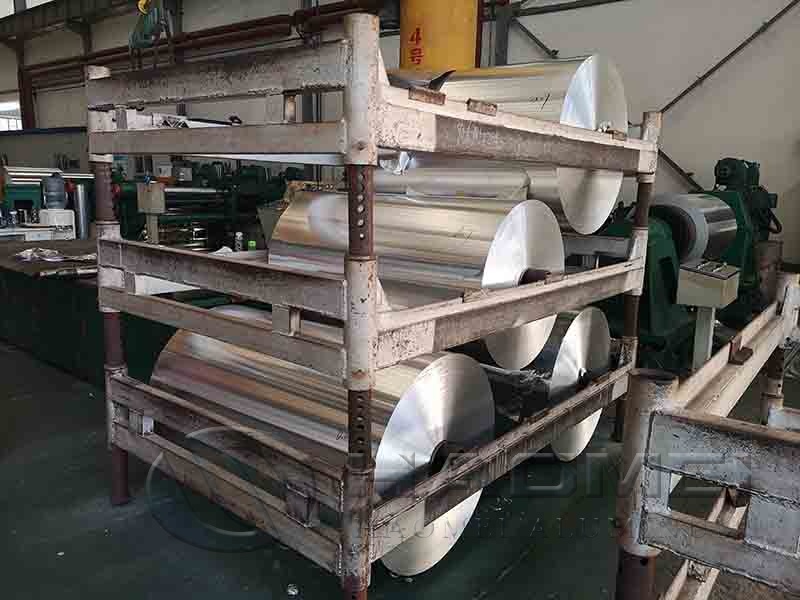
A good supplier should be able to discuss alloy choice and finishing in practical terms, then translate that into a stable manufacturing route. For many programs, the conversation starts with jumbo roll capacity and ends with slit accuracy, carton strength, and labeling.
Common formats you can request
Jumbo roll for slitting and conversion.
Slit rolls for direct use in dispensers.
Printed, coated, or colored surfaces when branding or identification is required.
For broader foil portfolios used alongside marine projects, you may also standardize related items such as Aluminum Foil stock specifications, so your inspection plan and supplier scorecard stay consistent across categories.
Selection table for bulk ordering
| Item to Specify | Typical Choices | Why It Matters for Bulk Supply |
|---|---|---|
| Alloy and purity | Common commercial foil alloys and high-purity grades | Impacts formability, brightness, and process stability |
| Thickness range | Thin to medium gauges depending on handling needs | Controls stiffness, folding, and tear behavior |
| Temper | Soft to semi-hard | Determines conformability and resilience |
| Surface finish | Bright, matte, one-side bright | Affects appearance and coating adhesion |
| Roll ID and core | Standard cores or custom | Drives compatibility with slitters and unwind stands |
| Slit width tolerance | Tight control for dispenser rolls | Reduces web breaks and uneven edges |
| Packaging | Moisture barrier, edge protectors, pallet design | Prevents transit damage and oxidation |
| Traceability | Heat number, coil number, QC records | Supports consistent incoming quality checks |
For certain industrial programs that run alongside salon foil demand, some customers also source electrochemical foils in parallel. If that is relevant to your purchasing plan, a supplier that can also provide Battery Aluminum Foil may simplify qualification, audits, and logistics across multiple product lines.
Quality, Compliance, and Delivery Practices That Reduce Risk
Bulk orders are won or lost on repeatability. Ask your supplier to explain how they control the variables that cause roll-to-roll variation.
Mill documentation and test routines
Incoming melt and alloy confirmation, with documented chemistry ranges.
Thickness and profile measurement routines, with calibration records.
Surface inspection standards, including defect classification and sampling frequency.
Change control for stable repeat orders
Clear rules for when a process change triggers customer notification.
Reserved rolling routes or standard operating windows for long-term programs.
Logistics and lead time planning
Jumbo rolls require careful handling. Confirm lifting method, pallet footprint, and container loading plan.
Labeling should include coil ID, net weight, gross weight, and orientation marks to avoid mishandling at the converter.
Practical acceptance checks on receipt
Verify OD, ID, and roll build.
Check edge damage, telescoping, and visible contamination.
Confirm documentation matches labels before the roll enters production.
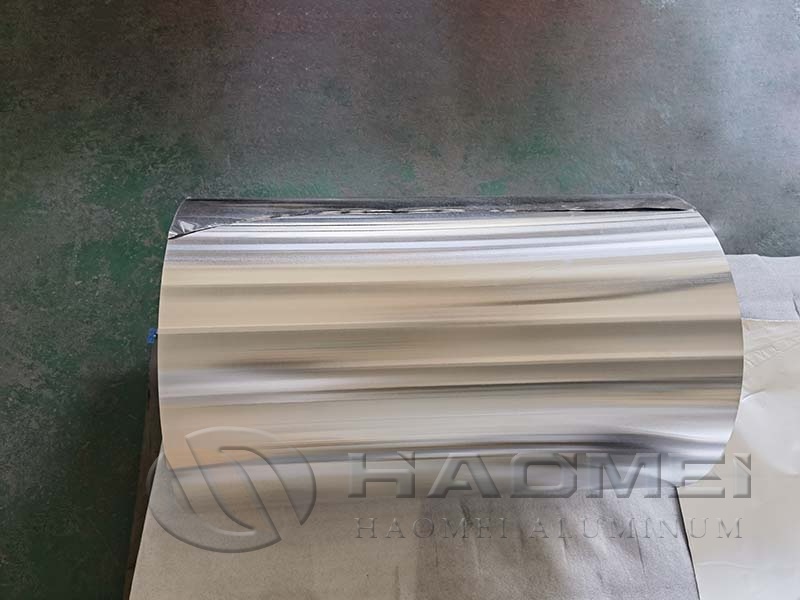
For long-distance shipments to coastal yards or island facilities, packaging strength and moisture resistance often matter as much as metallurgical properties. A supplier that can standardize palletization and provide consistent roll protection helps reduce waste, re-slit downtime, and urgent replacement freight.
When you request a quotation, include expected annual volume, preferred jumbo roll weights, target slit widths, and your inspection criteria. This makes the offer comparable across mills and converters, and it signals that your program prioritizes stable quality, not one-time pricing.
Original source: https://www.hm-alu.com/a/highlighting-foil-roll-supplier.html
Tags:highlighting foil roll aluminum foil jumbo roll