

Aluminium Tanker Plate Manufacturer
Bulk tank truck body building depends on one material decision more than most people expect: selecting a consistent, corrosion resistant aluminium plate source that can hold thickness, flatness, and weldability across every delivery. As an aluminium tanker plate manufacturer, we focus on plate and coil for cylindrical shells, end caps, baffles, and related structural parts where weight, hygiene, and long service life matter.
What a Tanker Plate Manufacturer Should Deliver
A reliable producer does more than quote a grade. In real fabrication, performance is influenced by chemistry control, rolling practice, heat treatment, and inspection discipline. For tank truck applications, the most requested alloys are:
- 5083: High strength, excellent corrosion resistance, widely used for tank shells and parts exposed to road salts.
- 5454: Strong resistance to certain chemical environments, often chosen for fuel and chemical transport where industry practice favors this alloy.
- 5754: Good formability and corrosion resistance, commonly used for formed components and general tank structures.
Temper selection depends on forming and welding plans. Many tank builders specify O temper for deep forming, while H112 or H32 may be used where higher strength and dimensional stability are needed. If your drawings define EN, ASTM, or GB requirements, a manufacturer should be able to confirm which standard the production and inspection follow, and provide traceable mill test certificates for each batch.
A practical way to assess a supplier is to check whether they can supply both plate and coil options with consistent mechanical properties. Many fabrication lines prefer coil for efficiency, while some parts require cut-to-length plate. For broader selection, you can reference our Aluminum Sheet Plate range where common thicknesses and finishes are organized for industrial processing.
Specifications That Matter for Tank Truck Fabrication
To reduce rework, focus on specification items that influence bending, rolling, and welding quality.
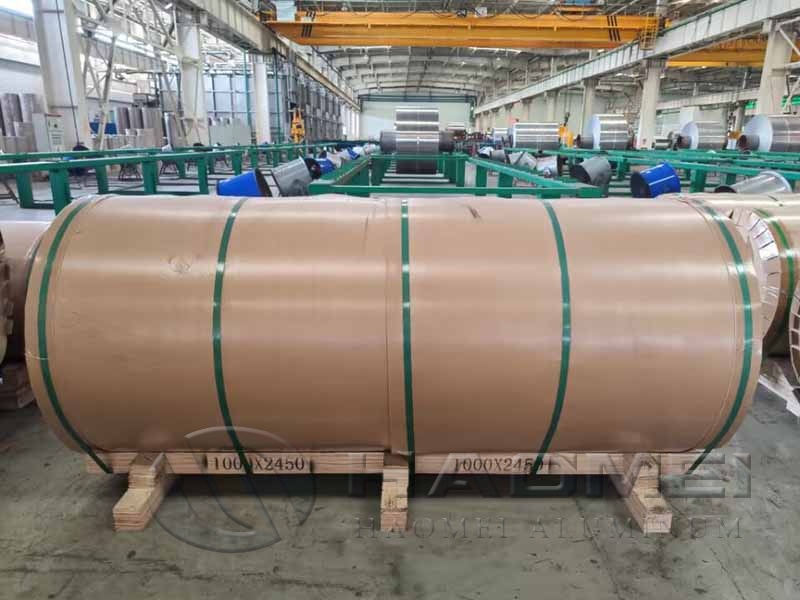
Typical supply range
Below is a practical reference table used in tank truck sheet sourcing. Final availability varies by alloy, temper, and width.
| Item | Typical requirement for tank truck work | Why it matters |
|---|---|---|
| Alloy | 5083, 5454, 5754 | Corrosion resistance, weldability, strength balance |
| Temper | O, H112, H32 | Forming behavior and post-weld performance |
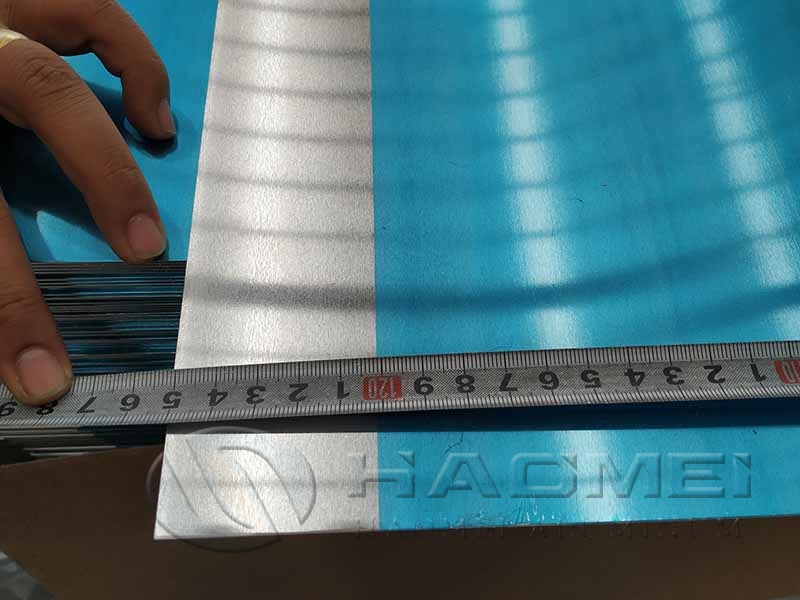
| Thickness | 3.0 mm to 10.0 mm | Common shell, head, and baffle thickness range |
| Width | 1500 mm to 2500 mm, wider on request | Fewer longitudinal welds, higher productivity |
| Length | 3000 mm to 12000 mm | Matches rolling machines and nesting plans |
| Surface | Mill finish, protective film optional | Reduces handling marks and improves appearance |
| Inspection | MTC, dimensional checks, optional UT | Reduces batch risk and improves traceability |
Tolerance and flatness control
For rolling large diameter shells, stable thickness tolerance and consistent flatness help avoid edge waves and uneven forming. A capable aluminium tanker plate manufacturer will be transparent about achievable tolerances by thickness and width, and will recommend practical cutting and handling methods to reduce distortion.
Welding and cleanliness expectations
Tank bodies often require high integrity welds. Consistent alloy chemistry, low inclusion content, and good surface quality support stable welding results. If the tank is used for food grade liquids, hygiene requirements may also influence surface handling and packaging.
For projects that are specifically designed around tank truck alloys, many customers also review the dedicated product page for Alloy aluminium Plate for Tank Truck to align grades, tempers, and typical fabrication use.
Production, Supply, and Market Considerations
Bulk purchasing is not only about the lowest number on a quote. It is about predictable deliveries, low claim rates, and stable fabrication yield.
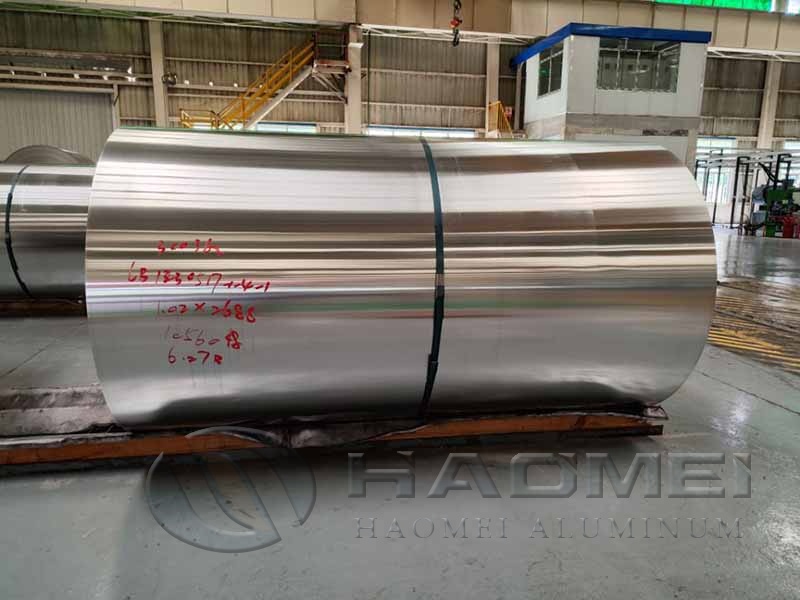
Lead time and supply stability
Plate for tanker manufacturing is often scheduled around vehicle chassis arrival and workshop capacity. Ask your manufacturer about:
- Rolling schedule stability for the target alloy and temper.
- Whether wide width stock is kept as semi-finished inventory.
- Packaging options for long distance transport, including edge protection and moisture control.
Price drivers you should expect to discuss
Aluminium plate pricing typically moves with primary aluminium ingot trends, alloying element costs, and conversion premiums tied to thickness, width, temper, and inspection level. Extra wide sheet, tight tolerances, protective film, and special testing can add to the conversion cost even when the LME or regional ingot price is flat. A professional manufacturer should be able to separate metal price components from processing and logistics so procurement can compare offers fairly.
Common tanker uses and matching material choices
Different cargoes and designs put different demands on the sheet:
- Fuel tank trucks: Often prioritize corrosion resistance, weldability, and dimensional consistency.
- Chemical transport: May lean toward alloys with proven resistance in relevant service environments, and stricter documentation.
- Water and food grade liquids: Often emphasize cleanliness, packaging control, and surface protection during processing.
If you share your fabrication method, such as roll forming radius, head forming method, and welding process, a manufacturer can recommend the best temper to reduce cracking risk and improve forming yield.
What to request in a quotation package
To speed technical approval, include these items in your RFQ:
- Alloy and temper, plus standard requirement if applicable.
- Thickness, width, length, and target tolerances.
- Required quantity per size and total annual demand if available.
- Application notes, such as shell rolling, baffle stamping, or head forming.
- Documentation needs: MTC, additional testing, or third party inspection.
This approach helps the manufacturer propose a consistent production route, reduce specification gaps, and deliver plate that performs smoothly on your tank truck line.
Original source: https://www.hm-alu.com/a/aluminium-tanker-plate-manufacturer.html
Tags:tanker truck aluminum sheet aluminium tanker plate manufacturer
Prev: 1100 Aluminium Alloy