


1235 Aluminum Foil
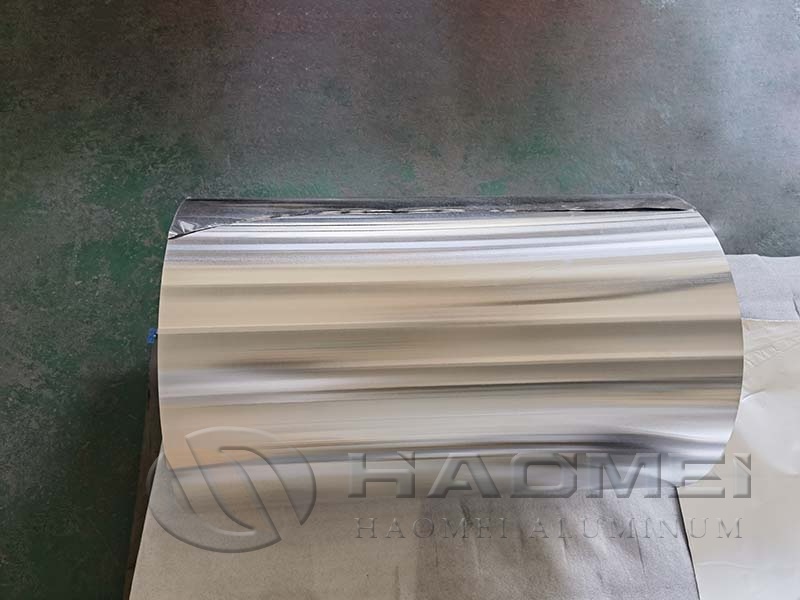
AA 1235 is a high-purity aluminum alloy widely used in flexible packaging, cable wrap, insulation facing, tape base, capacitor components and lithium-ion cathode current collectors. For industrial purchasing teams, the main concern is not only price per metric ton. It is whether the foil runs without pinhole-related rejects, coating breaks, lamination leaks or slitting defects.
This article focuses on one product feature: pinhole control. It also gives practical specification steps, comparison tables and compliance points for sourcing alloy 1235 foil in commercial volumes.
Why Alloy 1235 Is Specified
Alloy 1235 is registered as a high-aluminum-content wrought alloy. Under commonly referenced Aluminum Association and EN 573 composition frameworks, 1235 contains 99.35% minimum aluminum. Exact limits should always be confirmed on the mill test certificate because standards can be revised and customer specifications may be stricter.
| Item | Typical requirement for AA 1235 | Why it matters |
|---|---|---|
| Aluminum content | 99.35% minimum | Supports electrical conductivity, formability and clean rolling behavior |
| Iron + silicon | Controlled as main residuals | Affects strength, elongation and rolling stability |
| Temper | O, H18, H19 and custom tempers | Determines softness, tensile strength and converting performance |
| Thickness range | Often from ultra-thin foil to heavier converter foil | Thinner gauges need tighter pinhole and shape control |
| Standards to reference | EN 573, EN 546, ASTM B479, ASTM E345 where applicable | Gives a verifiable basis for chemistry, tolerance and testing |
The alloy is often selected when manufacturers need a balance of purity, ductility and stable surface quality. For a broader alloy and temper comparison, Aluminum Foil specifications can be aligned with application-specific requirements such as packaging, insulation, electronics or energy storage.
Pinhole Control: The Feature That Protects Yield
Pinhole defects are tiny through-holes in foil. They may be caused by inclusions, rolling debris, surface scratches, excessive reduction, unstable lubrication, improper annealing or rough handling during slitting. In thin foil, even a small defect can become expensive after coating, laminating or cell assembly.
For flexible packaging, pinholes can reduce barrier performance against moisture, oxygen, aroma and grease. For lithium-ion batteries, foil defects can create coating streaks, local current-collector weakness and downstream inspection failures. For tapes and laminates, pinholes can cause adhesive bleed-through or visual defects.
| Thickness zone | Pinhole risk | Practical action |
|---|---|---|
| Below 7 microns | Very sensitive | Require agreed optical inspection conditions and realistic maximum pinhole count |
| 7-12 microns | Sensitive | Define pinhole size threshold, count per square meter and roll rejection rule |
| 12-20 microns | Moderate | Combine pinhole limit with flatness, surface oil and joint control |
| Above 20 microns | Lower, not zero | Focus on burrs, edge cracks, scratches and coil handling damage |
A useful purchase specification should not simply state no pinholes. At ultra-thin gauges, that phrase is often impractical. A better specification defines the inspection method, illumination, sample area, maximum size, allowable count, roll acceptance rule and dispute procedure.
Specifications to Lock Before Ordering
Use the following checklist before issuing a contract or technical data sheet.
| Specification item | What to define | Recommended verification |
|---|---|---|
| Alloy | AA 1235 or equivalent | Mill test certificate against EN 573 or agreed standard |
| Temper | O, H18, H19 or custom | Tensile and elongation report, such as ASTM E345 or EN 546-2 reference |
| Thickness | Nominal gauge and tolerance | Micrometer or beta gauge report; tolerance basis from EN 546-3 or contract |
| Width | Slit width and tolerance | Slitting inspection record |
| Surface | Bright, matte, oil-free or treated | Visual inspection, wetting tension test such as ASTM D2578 if coating is required |
| Pinholes | Count, size limit and inspection area | Optical inspection report under agreed conditions |
| Edge quality | Burr, wave, edge crack limit | Slitting sample check before shipment |
| Joints | Maximum joints per roll and splice type | Roll map or production record |
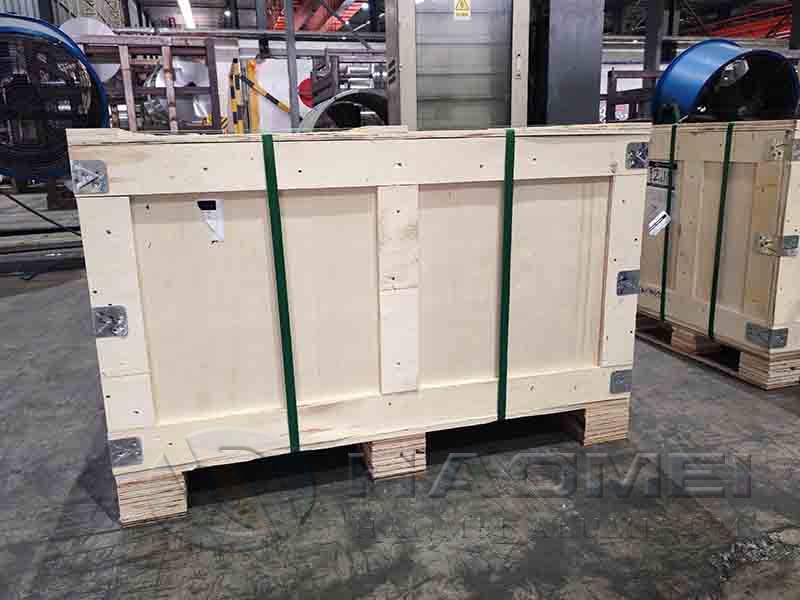
| Packaging | Core ID, roll OD, moisture protection | Export packing photo and label review |
| Compliance | RoHS, REACH, food contact or battery requirements | Declaration, test report and traceability documents |
For lithium-ion cathode current collectors, Battery Aluminum Foil should be specified with stricter surface cleanliness, wetting performance, edge quality and tension stability than ordinary converter foil.
1235 Compared With Common Foil Alloys
Selecting AA 1235 should be application-driven. Other foil alloys may offer better strength, heat resistance or formability depending on the process.
| Alloy | Main advantage | Typical use | When 1235 may be preferred |
|---|---|---|---|
| 1235 | High purity and good conductivity | Battery, cable, lamination, packaging | When clean surface and electrical performance are priorities |
| 8011 | Good strength and packaging versatility | Food containers, household foil, pharmaceutical packaging | When higher purity or electrical use is required |
| 8079 | Excellent ductility at thin gauges | Flexible packaging and laminates | When chemistry simplicity and conductivity matter more |
| 1060 | 99.60% minimum aluminum | Electrical and industrial uses | When 1235 is already qualified and cost-performance is better |
Do not substitute alloys only by price. Validate forming, coating adhesion, corrosion behavior, tensile properties and heat-seal lamination performance before approval.
Market Trend: EV Growth Raises Foil Quality Expectations
Energy storage demand has made aluminum current-collector foil more visible in global supply chains. The International Energy Agency reported in Global EV Outlook 2024 that electric car sales approached 14 million units in 2023. This growth increases pressure on foil producers to control cleanliness, surface defects and roll-to-roll consistency.
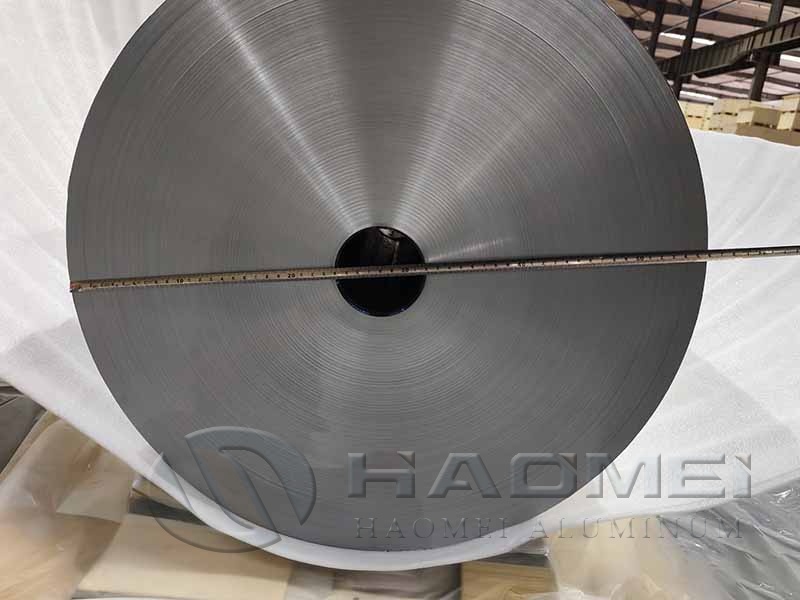
Battery manufacturers often evaluate foil through coating trials rather than chemistry alone. Common rejection causes include uneven wetting, wrinkles, black spots, pinholes, edge burrs and inconsistent roll tension. A successful AA 1235 program should include pilot-roll approval, then controlled scale-up with the same rolling route, annealing practice and slitting conditions.
Regulatory and Documentation Checks
Regulatory requirements depend on the final product. For food-contact laminates in the European Union, Regulation (EC) No 1935/2004 and GMP Regulation (EC) No 2023/2006 are commonly relevant to finished food-contact materials. For electronics and battery supply chains, RoHS and REACH declarations may be requested by customers. For pharmaceutical or food packaging, coatings, adhesives, inks and primers must be assessed together with the metal foil because the complete structure determines compliance.
Ask for these documents before shipment:
- Mill test certificate with alloy, temper, thickness and mechanical properties.
- Surface inspection or pinhole inspection record.
- RoHS and REACH declaration if the foil enters electronics or battery applications.
- Food-contact declaration if the foil is part of packaging for food use.
- Roll label sample showing heat number, size, net weight, gross weight and production date.
- Packing method with moisture barrier, desiccant use and pallet protection.
Pricing: How to Compare Offers Without Guesswork
Foil pricing normally combines a published aluminum metal reference and a conversion cost. LME and SHFE publish aluminum price references, but the final delivered price also depends on gauge, width, temper, order size, surface treatment, inspection level, freight and payment terms.
| Price component | What affects it | Cost-control action |
|---|---|---|
| Aluminum base | LME or SHFE reference period | State the pricing month or average formula clearly |
| Conversion fee | Gauge, rolling passes, annealing and inspection | Avoid over-tight tolerances that do not improve production yield |
| Slitting cost | Narrow width, burr limits, roll OD | Standardize widths where possible |
| Quality cost | Pinhole inspection, surface treatment, battery-grade controls | Pay for controls that prevent downstream scrap |
| Logistics | Packing, container loading, destination charges | Confirm net weight, pallet size and moisture protection |
Pre-Shipment Acceptance Checklist
| Checkpoint | Accept before shipment only when |
|---|---|
| Chemistry | AA 1235 composition is shown on the mill test certificate |
| Gauge | Thickness report matches the agreed tolerance |
| Pinhole control | Inspection record matches count, size and sampling rules |
| Surface | No oil stain, roll mark, black spot or severe scratch beyond specification |
| Edge | No burr or edge crack that can break during high-speed unwinding |
| Roll condition | Roll is tight, aligned and protected against moisture |
| Traceability | Heat number, roll number and packing list match contract documents |
A well-written 1235 foil specification reduces disputes, protects converting yield and gives both sides measurable acceptance standards before production starts.
Original source: https://www.hm-alu.com/a/1235-aluminum-foil.html
Tags:1235 aluminum foil aluminium foil alloy 1235 battery aluminum foil flexible packaging foil
Prev: 1050 Alloy
Next: Aluminium Circle Factory