

1050 Alloy
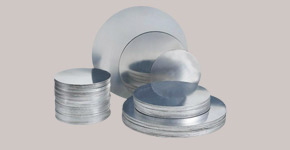
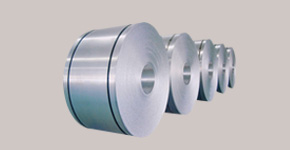
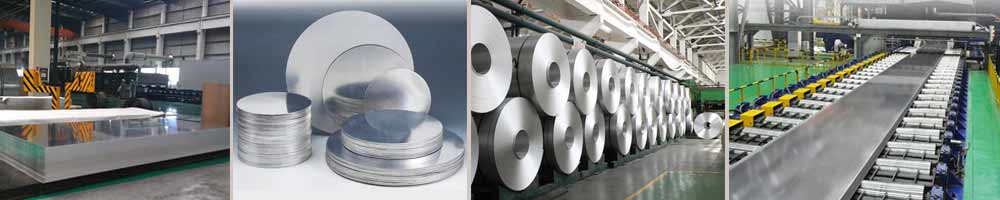
Seasonal campaigns are not forgiving. If a gift tin, baking tray, lamp reflector, bottle closure or decorative panel cracks during forming, the delay can miss Thanksgiving on November 26, 2026, Christmas on December 25, 2026, or New Year retail replenishment. For large-volume aluminum sheet, strip, coil, foil and circle orders, 1050 alloy is often selected because its main advantage is practical and measurable: excellent formability.
1050 is a commercially pure aluminum grade with 99.50% minimum aluminum content under commonly referenced EN AW-1050A chemistry. It is not the strongest aluminum option, and that is the point. For holiday products that need bending, stamping, spinning, deep drawing, slitting or foil conversion, stable forming behavior can reduce scrap, rework and emergency air freight.
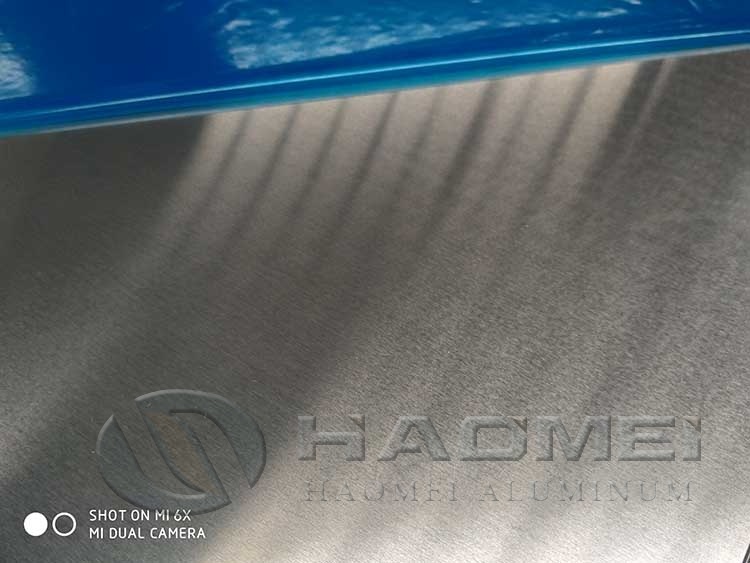
Holiday orders fail when forming is unstable
A seasonal order usually has three pressures at the same time: fixed retail dates, decorative surface requirements and fast tooling approval. 1050 aluminum helps when the part design values clean forming over high load-bearing strength.
Use it when the product must become a tray, circle, cap, shell, sign panel, lighting part or soft foil laminate without edge cracking. For sheet and plate programs, many teams compare it with Aluminum Sheet Plate options before locking thickness, temper and surface protection.
Verifiable specification points to confirm before ordering:
| Item to verify | Why it matters for holiday production | Common reference |
|---|---|---|
| Alloy chemistry | Confirms commercially pure aluminum performance | EN 573-3 for EN AW grades; mill test certificate |
| Sheet and plate tolerances | Prevents tooling mismatch and yield loss | ASTM B209/B209M or EN 485 series, as agreed |
| Temper | Controls softness, elongation and forming response | O, H12, H14, H18, depending on process |
| Surface condition | Affects printing, anodizing, laminating and reflectivity | Agreed sample, surface film and inspection standard |
| Price basis | Avoids confusion during volatile metal markets | LME or SHFE aluminum price plus processing, freight and packaging |
Aluminum prices are commonly benchmarked against exchange-published aluminum values, such as London Metal Exchange official prices or Shanghai Futures Exchange contracts. The final invoice should separate base metal, conversion fee, coating or lamination cost, packaging and freight terms so seasonal margins can be checked before production starts.
Specify 1050 by the process
Do not purchase by alloy name alone. The same grade can behave differently if the temper, thickness tolerance, coil ID, surface film or edge condition changes.
Use this process-based selection table before releasing purchase documents:
| Holiday application | Suggested 1050 form | Temper direction | Main risk to control |
|---|---|---|---|
| Baking trays and cookware circles | Circle or sheet | O or soft H temper | Deep-drawing cracks and orange peel |
| Gift box inserts and decorative panels | Sheet or coil | H14 or agreed semi-hard temper | Flatness, scratches and color consistency |
| Bottle caps and closures | Strip or coil | Process-specific temper | Burrs, earing and coating adhesion |
| Food-service foil and wrapping | Foil stock | Soft temper after annealing | Pinholes, gauge variation and winding defects |
| LED reflectors and seasonal lighting | Bright sheet or coil | H temper as tested | Reflectivity and surface marks |
Compared with higher-strength alloys, 1050 is easier to form but less suitable for structural parts. If the order needs stronger mechanical performance, compare it with a broader Aluminum Alloy Sheet range before approving tooling.
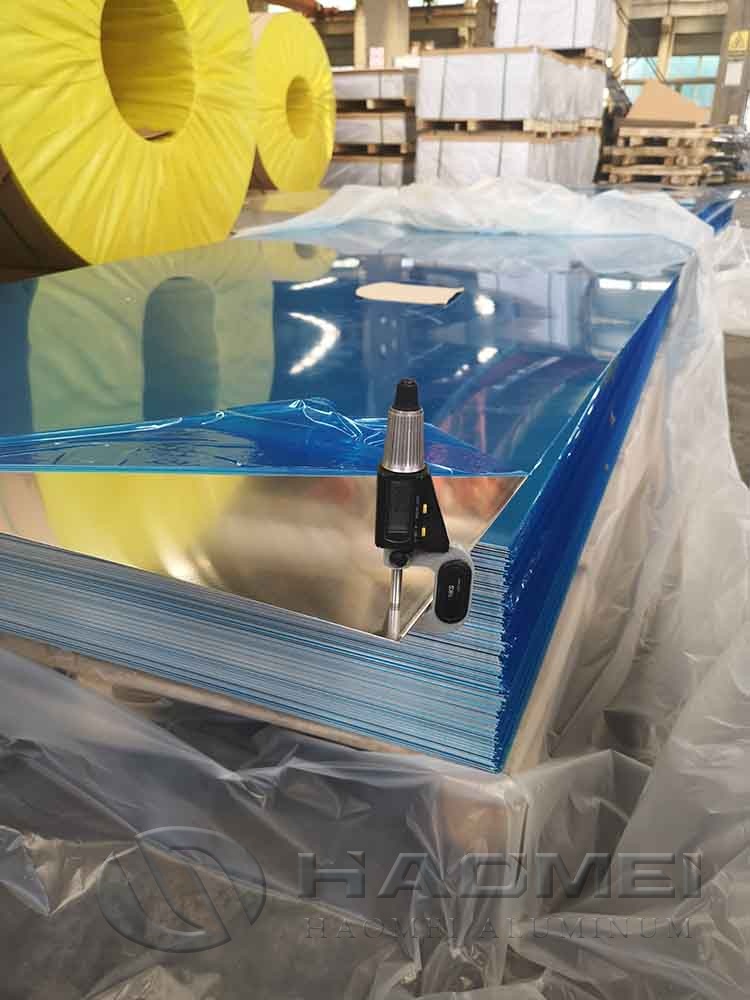
For holiday timing, plan backward from the shelf date, not from the factory schedule.
| Working window for 2026 holiday programs | Action for aluminum sheet, strip, coil, foil or circle orders |
|---|---|
| Late May to June | Confirm drawings, alloy equivalence, temper, surface sample and packaging method |
| July to August | Run forming trials, printing tests, anodizing checks or lamination trials |
| September to October | Lock mass production, reserve coil width and approve shipment plan |
| November | Prioritize dispatch for Thanksgiving, Black Friday, Diwali-season promotions and Christmas channels |
| December | Keep buffer stock for replacement panels, extra foil rolls or urgent gift-pack components |
This schedule matters because 1050 aluminum is often part of visible holiday merchandise. A scratch, oil stain, wavy edge or color mismatch can stop final assembly even when the chemistry is correct.
Holiday order checklist
Use this checklist to prevent the most common forming and delivery problems.
-
Confirm the exact product form.
- Sheet: thickness, width, length, PVC film, flatness.
- Strip: width tolerance, edge type, burr limit, coil ID.
- Coil: weight per coil, inner diameter, outer diameter limit, surface oil.
- Foil: gauge, pinhole requirement, wettability, annealing condition.
- Circle: diameter tolerance, burr level, circle stacking and paper interleaving.
-
Match temper to forming depth.
- O temper is generally preferred for deep drawing and spinning.
- H14 can suit panels, signs and shallow forming.
- H18 is harder and should be tested before complex forming.
-
Ask for documents that can be checked.
- Mill test certificate with alloy, temper and chemical composition.
- Dimensional inspection report.
- Surface inspection record for bright, printed or coated material.
- Packing list showing coil weight, pallet number and gross weight.
-
Control the surface from mill to assembly.
- Use paper interleaving or protective film where appearance matters.
- Define allowable scratches, stains, roll marks and edge dents.
- For food-contact packaging, confirm the converter's applicable compliance route. In the United States, food-contact aluminum packaging is assessed within FDA food-contact regulations in 21 CFR, while the European Union uses framework rules such as Regulation (EC) No. 1935/2004 for materials intended to contact food.
-
Prevent seasonal logistics surprises.
- Reserve production capacity before September for Christmas and New Year merchandise.
- Avoid changing coil width after tooling trials.
- Use moisture-resistant export packing for sea freight.
- Specify pallet height and container loading limits for warehouse handling.
A clear purchase specification may look like this:
| Field | Example wording to adapt |
|---|---|
| Material | 1050 aluminum, EN AW-1050A or agreed equivalent |
| Form | Coil, sheet, strip, foil or circle |
| Temper | O, H12, H14 or H18 after forming trial approval |
| Thickness | State nominal thickness and tolerance standard |
| Surface | Mill finish, bright finish, coated, laminated or film-protected |
| Edge | Slit edge, trimmed edge or deburred circle edge |
| Packing | Export wooden pallet, moisture barrier, paper interleaving if required |
| Documents | MTC, dimensional report, packing list and certificate of origin if needed |
For holiday programs, the safest approval step is a small trial batch using the final temper, final surface and final tooling. Approve the sample only after forming, printing, cleaning, packing and shelf-display checks are complete.
Original source: https://www.hm-alu.com/a/1050-alloy.html
Tags:1050 Alloy aluminum sheet aluminum coil aluminum foil aluminum circle
Prev: Aluminum Gutter Coil
Next: 1235 Aluminum Foil