

Textured Aluminum Plate
Textured aluminum plate is commonly selected where a plain metal surface needs more traction, visual character, or resistance to everyday scuffing. Recent FAQs focus on whether tread patterns provide real slip resistance, which alloy is best outdoors, and whether the raised pattern affects fabrication.
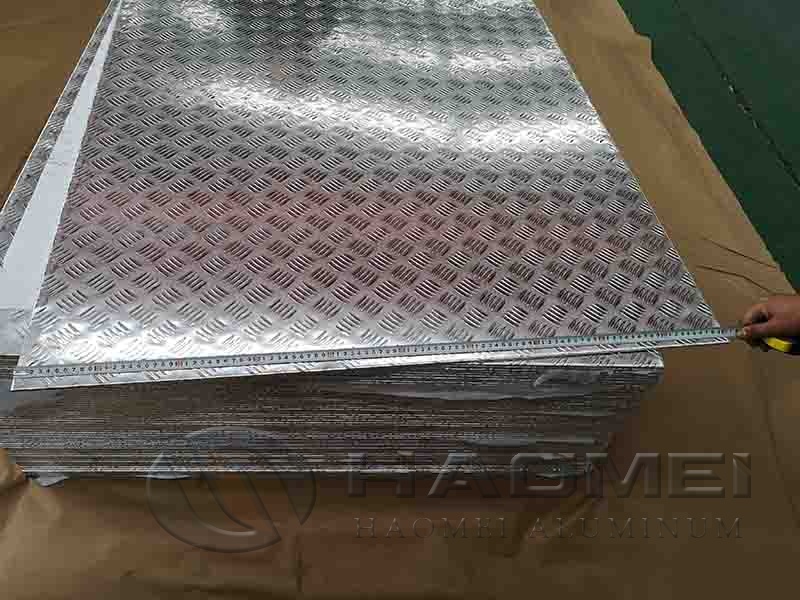
The five questions below reflect the practical concerns repeatedly raised by people comparing embossed, checker, diamond, and orange-peel aluminum surfaces. The right choice depends on the environment, loading, cleaning routine, and whether the plate will be bent, welded, or exposed to moisture.
1. Is textured aluminum plate actually slip resistant when wet?
Textured aluminum plate improves traction because the raised pattern creates edges that interrupt foot movement. However, it is not automatically slip-proof. Water, oil, mud, ice, or fine dust can fill the recessed areas between the raised diamonds or bars, reducing the benefit of the texture.
For dry walkways, vehicle steps, toolboxes, and equipment covers, a five-bar or diamond tread surface can provide noticeably better footing than smooth aluminum. In wet industrial areas, boat decks, food-processing spaces, or ramps, the pattern should be paired with drainage, regular cleaning, and an appropriate surface finish. A deeper pattern generally offers stronger mechanical grip, but it can also be harder to wash thoroughly.
| Surface condition | Typical traction result | Practical consideration |
|---|---|---|
| Dry and clean | Good | Raised diamonds or bars improve shoe contact. |
| Wet with water | Moderate | Drainage and pattern depth become important. |
| Oily or greasy | Limited | Use cleaning controls or an anti-slip coating. |
| Muddy or dusty | Variable | Recesses may clog and need frequent washing. |
A textured surface should be specified as one part of a complete safety design, rather than treated as the only anti-slip measure.
2. What is the difference between diamond plate, checker plate, and embossed aluminum?
These names are often used interchangeably, but they can describe different visual patterns. Diamond plate usually refers to raised lozenges arranged in a repeating layout. Checker plate may describe a similar raised pattern, especially in British and Commonwealth usage. Embossed aluminum is the broader term for aluminum that has been mechanically patterned by rollers.
Common options include diamond, five-bar, two-bar, stucco, orange-peel, and small lentil patterns. Diamond and bar patterns are frequently chosen for steps, flooring, truck interiors, and protective panels. Stucco and orange-peel finishes are more often used where appearance, scratch diffusion, or thermal equipment cladding matters more than aggressive traction.
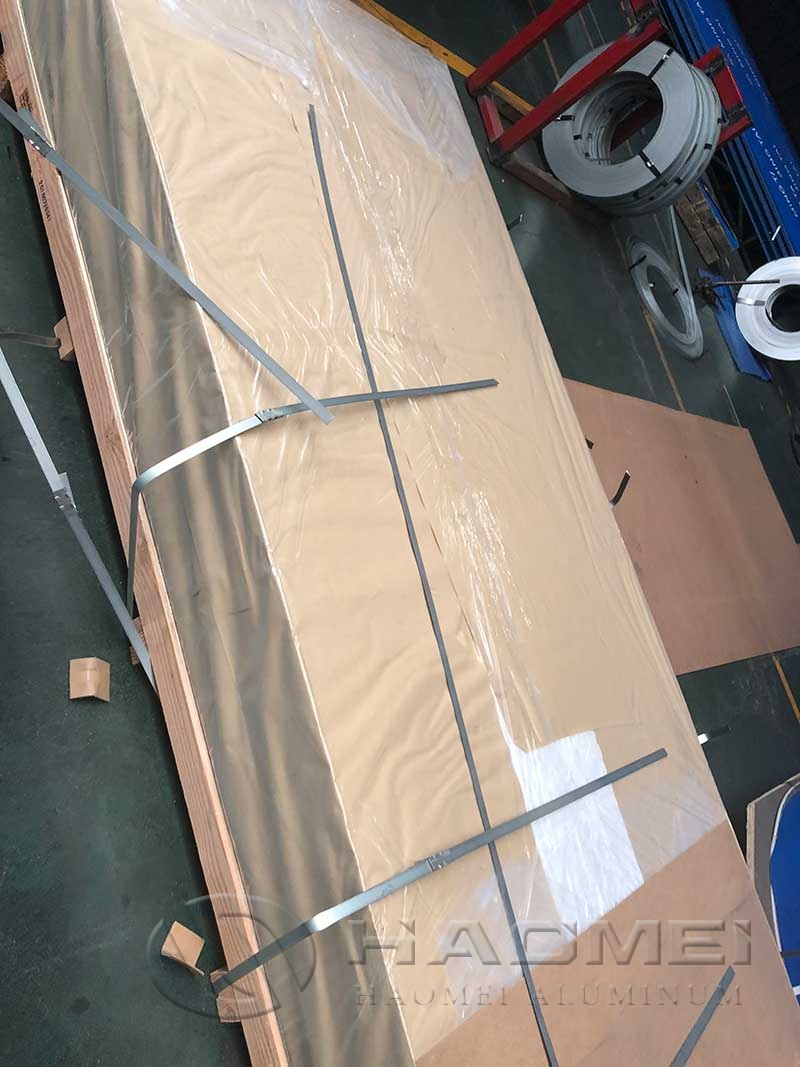
When requesting material, describe the pattern, base thickness, overall thickness including the raised design, alloy, temper, and intended application. This avoids receiving a decorative embossed plate when a more pronounced tread pattern is needed for walking surfaces.
3. Which aluminum alloy is best for textured plate used outdoors?
For many outdoor uses, 3003 and 5052 are the most frequently considered options. Both have good natural corrosion resistance, but they serve different conditions. 3003 is economical and formable, making it suitable for general-purpose decorative panels, trailer interiors, storage boxes, and light-duty covers. 5052 has higher strength and stronger resistance to marine or industrial atmospheres, so it is often preferred for docks, boat components, wet-area flooring, and coastal installations.
| Alloy | Strength level | Corrosion resistance | Common textured-plate uses |
|---|---|---|---|
| 3003 | Moderate | Good | Toolboxes, trims, interior flooring, cladding |
| 5052 | Higher | Very good | Marine decks, truck platforms, wet environments |
| 6061 | High | Good | Structural parts where machining and strength matter |
For applications needing a flat base material without a tread pattern, an Aluminum Alloy Sheet may be more suitable before machining, drilling, or applying a separate anti-slip finish. For a raised-pattern requirement, confirm that the selected alloy is available in the exact texture and thickness range required.
4. How thick should textured aluminum plate be for a trailer floor or step?
Thickness cannot be selected from appearance alone. A plate that looks substantial can still flex if it spans a wide unsupported distance. The required thickness is influenced by load weight, wheel concentration, support spacing, plate width, alloy strength, and whether the raised pattern faces upward.
For light covers and wall protection, thinner material may be sufficient because it is supported across a broad surface. Steps, ramps, equipment platforms, and trailer floors need a calculation based on the actual framing beneath the aluminum. The raised pattern contributes little structural strength compared with the base thickness and alloy temper.
As a practical purchasing detail, ask whether the stated dimension is the base thickness or the overall thickness measured over the pattern. For example, a plate described as 3 mm may have a thinner flat base plus raised diamonds. This distinction matters when fitting the material into channels, frames, or door thresholds. A standard Aluminum Sheet Plate specification can help compare flat-base dimensions with tread-pattern products.
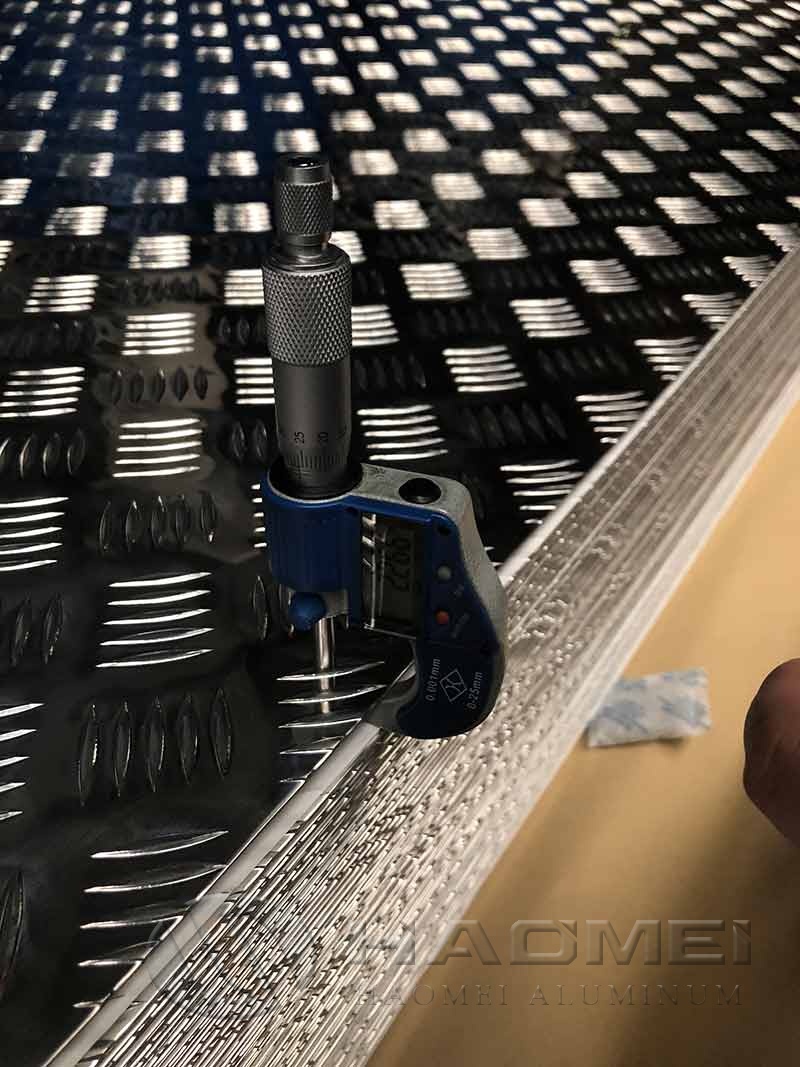
5. Can textured aluminum plate be bent, welded, painted, or polished?
Yes, but the surface pattern changes how each operation should be planned. Bending is usually possible when the bend line and bend radius are suitable for the alloy and temper. A bend across raised bars may produce a less uniform appearance than a bend through a flatter section. Test pieces are worthwhile for visible architectural work.
Welding is feasible with common aluminum methods, although the patterned face should be cleaned thoroughly before welding. Oxide film, oils, and debris trapped around raised features can affect weld quality. Where appearance matters, place welds on the reverse side when design conditions allow.
Painting or powder coating can improve color consistency and add another protective layer, but coating thickness may soften sharp pattern edges. Polishing is possible, though it takes more labor than polishing a smooth plate because abrasives must reach between raised areas. For exterior installations, a mill finish, anodized finish, or coated finish should be selected according to exposure, cleaning chemicals, and the desired appearance.
Original source: https://www.hm-alu.com/a/textured-aluminum-plate.html
Tags:Textured Aluminum Plate Aluminum Tread Plate Embossed Aluminum Plate Checker Plate
Prev: 1100 Aluminum Coil
Next: Aluminum Round Blanks