

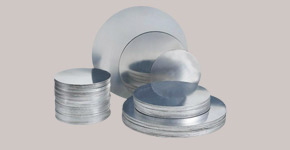
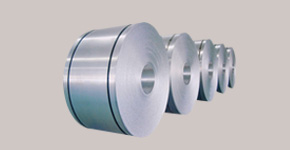
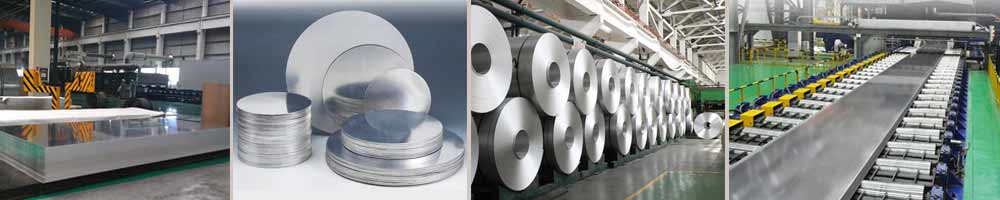
Aluminium Circle Factory
An aluminium circle factory is not just a punching workshop. For cookware, pressure cooker bases, lamp reflectors, traffic signs, and spun parts, the plant must control alloy chemistry, rolling texture, annealing, surface cleanliness, and packing. The main concern for large-volume customers is drawability: discs that crack, orange-peel, or form high ears can stop a press line even when diameter and thickness look correct.
1. Specify Drawability Before Diameter
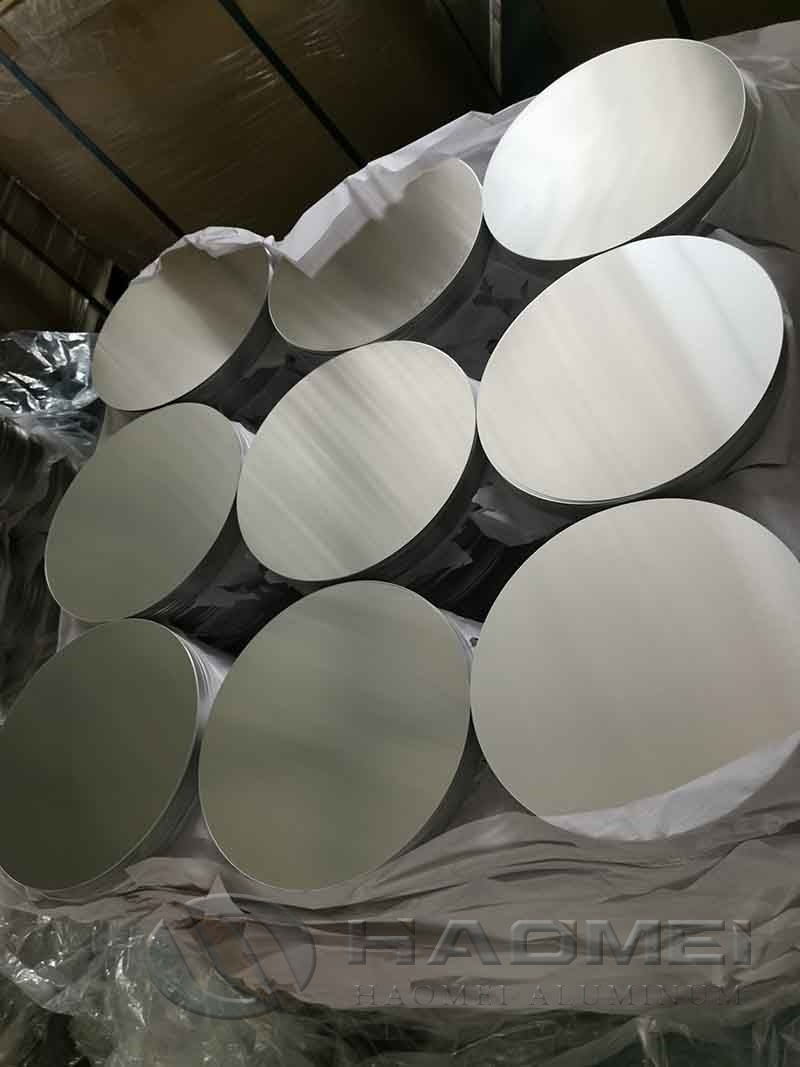
When sourcing an Aluminum Circle for deep drawing or spinning, start with the forming process, not only the disc size. A pan body drawn in multiple stages needs softer, more uniform metal than a decorative lamp cover or signage blank.
| Application | Common alloy options | Typical temper | Procurement focus |
|---|---|---|---|
| Deep drawn cookware | 1050, 1060, 1070, 1100 | O | Low cracking risk, fine grain, clean surface |
| Spun cookware or lids | 1050, 1060, 1100, 3003 | O, H12 | Stable spinning, controlled edge burr |
| Non-stick coated pans | 3003, 3004 where specified | O, H14 depending on forming | Surface roughness, coating adhesion preparation |
| Lamp reflectors | 1050, 1060, 1100 | O, H18 | Reflectivity, flatness, stain control |
| Road signs and nameplates | 3003, 5052 where specified | H14, H32 | Strength, corrosion resistance, paintability |
For severe drawing, O temper is usually preferred because annealing reduces work hardening from rolling. 3003 has higher strength than 1xxx alloys due to manganese, but it may require tighter forming trials if the part depth is high. 1xxx alloys are easier to form and provide high thermal conductivity, which is why they are widely used in cookware blanks.
Ask the plant to define the maximum allowed earing after cup drawing. Earing is caused by rolling texture and appears as wavy peaks on the drawn cup rim. If a supplier only promises soft temper without an earing control method, the press shop may face trimming waste and unstable part height.
2. Verify Standards, Tests, and Factory Controls
Aluminum circles are normally blanked from flat-rolled feedstock. Relevant standards include ASTM B209/B209M for aluminum and aluminum-alloy plate and rolled flat product, EN 485 for mechanical properties and tolerances, EN 573-3 for chemical composition, and EN 515 for temper designation. For foil products, EN 546 and ASTM B479 are often referenced in separate specifications. Always state the standard edition in the purchase document because tolerance tables can change by thickness range and product form.
| Item to verify | Accepted reference or method | What to request from the factory |
|---|---|---|
| Chemical composition | EN 573-3 or ASTM B209/B209M | Optical emission spectrometer result by heat or batch |
| Tensile properties | ISO 6892-1 or ASTM E8/E8M | Tensile strength, yield strength, elongation |
| Temper compliance | EN 485-2, EN 515, ASTM B209/B209M | Temper stated on certificate and label |
| Grain size | ASTM E112 or agreed metallographic method | Microstructure photo for deep drawing grades |
| Bend or forming response | ASTM E290, ISO 20482 if agreed | Trial result for cracking and orange peel |
| Surface condition | Visual standard plus agreed Ra if needed | Oil stain, scratch, water mark, black line limits |
| Food-contact support | EU Regulation (EC) No 1935/2004 and GMP Regulation (EC) No 2023/2006 for food-contact materials; FDA rules may apply to coatings | Declaration covering intended use, especially if coating or lubricant remains |
| Inspection certificate | EN 10204 3.1 when required | Certificate tied to batch number and packing list |
Dimensional inspection should include thickness, diameter, ovality, flatness, edge burr, and diagonal sampling across the pallet. EN 485-4 is commonly used for tolerances on cold-rolled aluminum flat products, but punched circles often need additional contractual limits because burr height and edge quality depend on tooling clearance.
A practical inspection plan should cover these points:
Measure thickness with a calibrated micrometer at center and near edge, avoiding burr distortion.
Check diameter in at least two directions to detect ovality.
Record burr height and burr direction; excessive burr can damage dies and coating rollers.
Inspect both faces under consistent light for rolling lines, stains, scratches, dents, and embedded debris.
Run a forming trial using the customer die or a representative cup test before mass release.
Confirm annealing uniformity by comparing hardness or tensile results from different pallet positions.
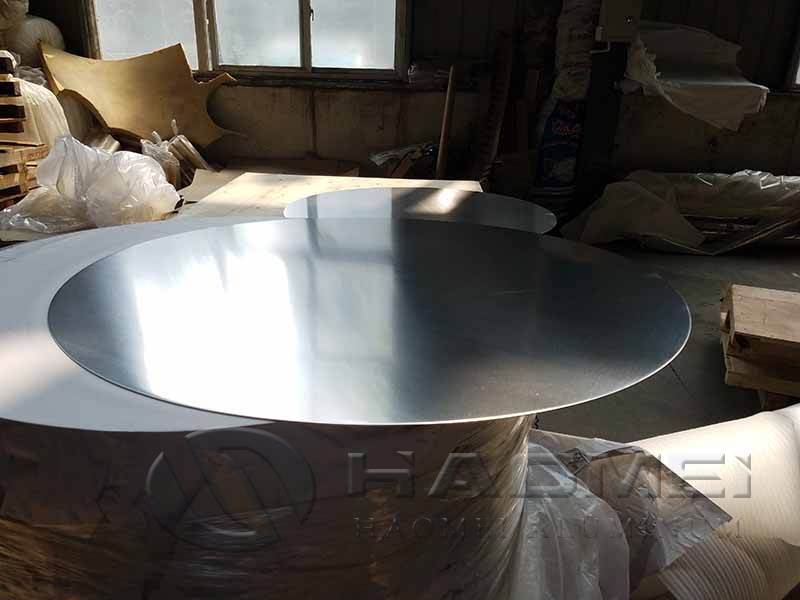
Factory capability matters. A strong disc producer should have controlled coil storage, slitting, leveling, blanking, annealing, degreasing if required, and moisture-proof packing. For Aluminum Circles used in utensils, interleaving paper or plastic film may be necessary when the surface must enter polishing or coating without stains.
3. Selection Checklist and Pricing Logic
Price comparison should separate metal value from processing cost. LME publishes official aluminum prices daily, while regional physical premiums are commonly assessed by market data providers such as Fastmarkets, Platts, and CRU. A transparent quotation should state the pricing basis instead of using a single unexplained number.
| Cost element | How it affects quotation | Procurement action |
|---|---|---|
| Aluminum reference price | Usually linked to LME aluminum cash or 3-month price on an agreed date | Define date, average period, and currency |
| Regional premium | Reflects physical market, duty, logistics, and location | Ask whether premium is included or separate |
| Conversion fee | Covers rolling, slitting, blanking, annealing, inspection, packing | Compare by alloy, temper, thickness, and diameter |
| Yield and scrap | Circle punching creates skeleton scrap; value may be recovered | Clarify whether scrap credit is included in price |
| Tolerance level | Tighter thickness, diameter, and burr limits raise tooling and inspection cost | Pay for tolerances that protect production, not unused precision |
| Surface requirement | Polishing, anodizing, or coating grades require stricter handling | Define visual acceptance with photos or limit samples |
| Packaging | Export pallets, desiccants, waterproof film, and fumigation add cost | Match packing to sea freight time and warehouse humidity |
Use this step-by-step qualification process before placing a high-volume order:
Send a drawing that includes alloy, temper, thickness, diameter, burr limit, surface class, grain requirement if applicable, and intended forming process.
Ask the factory to confirm the governing standards: for example, EN 573-3 for composition, EN 485-2 for mechanical properties, and ASTM B209/B209M if the project uses ASTM terminology.
Request a process route: casting source, hot rolling or cold rolling route, annealing furnace type, blanking line capacity, and inspection checkpoints.
Approve samples only after forming trials, not only visual inspection. For cookware, test drawing depth, rim earing, orange peel, and post-cleaning surface.
Lock the approved sample as a reference. Keep one signed sample at the factory and one at the receiving plant.
Require EN 10204 3.1 certificates or equivalent traceable documentation for each shipment.
Define claim evidence in advance: photos, sample quantity, inspection method, time limit after receipt, and treatment of nonconforming pallets.
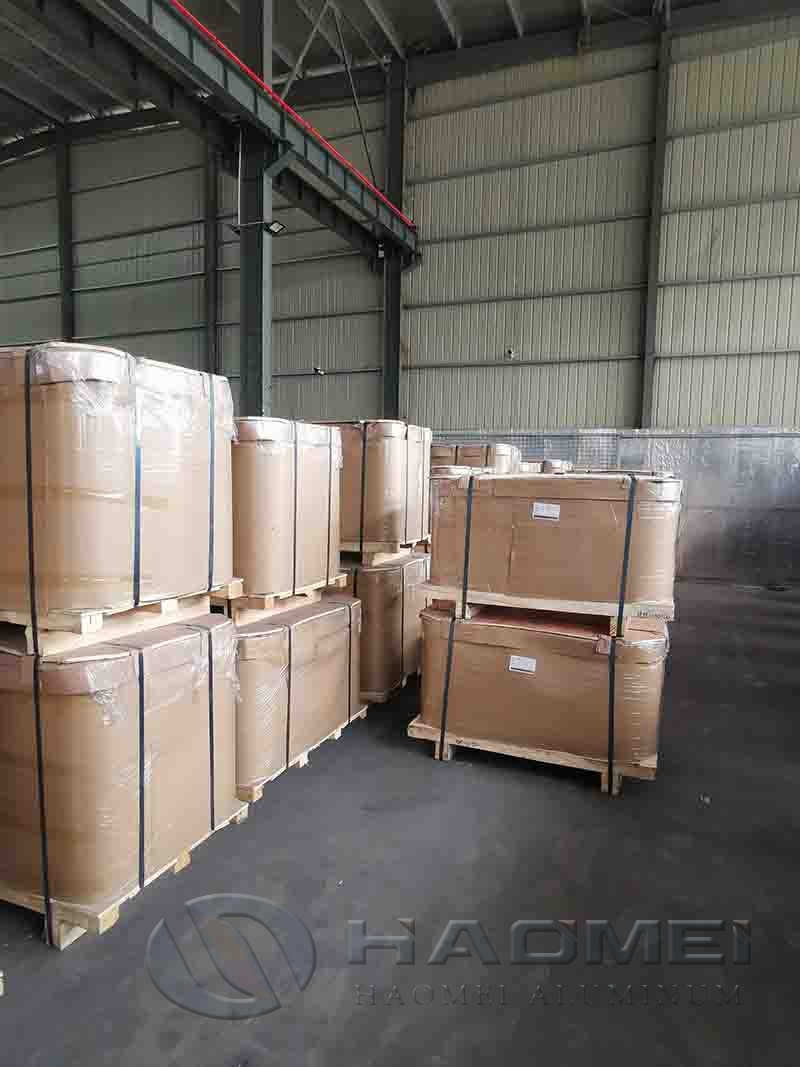
Red flags during supplier evaluation include vague alloy naming, no tensile data, no traceable batch number, mixed temper labels, visible water stains inside wrapped pallets, and refusal to disclose tolerance standards. Another warning sign is a quotation that ignores diameter nesting and scrap recovery; two factories may quote the same alloy and thickness, but the one with better nesting design and scrap accounting can offer more stable long-term cost.
Before order release, use this compact acceptance checklist:
| Acceptance item | Required status |
|---|---|
| Alloy and temper match contract | Pass |
| Certificate references correct standard edition | Pass |
| Thickness, diameter, ovality, and burr recorded | Pass |
| Forming trial completed on representative samples | Pass |
| Surface limit samples approved | Pass |
| Packing protects against moisture and edge damage | Pass |
| Pricing formula states metal basis, premium, conversion, and scrap treatment | Pass |
Original source: https://www.hm-alu.com/a/aluminium-circle-factory.html
Tags:aluminium circle factory aluminum circles deep drawing aluminium disc
Prev: 1235 Aluminum Foil
Next: Aluminium Circle Price