

1100 H14 Aluminum Properties
For many factories, the real issue is not whether 1100 H14 is usable. It is whether this alloy can keep production stable during holiday rush periods, shutdown windows, and year-end stock pressure.
That is where 1100 H14 aluminum properties matter most.
1100 aluminum is a commercially pure aluminum grade in the 1xxx series, with aluminum content typically at 99.0% minimum. In H14 temper, it is strain-hardened to a half-hard condition. This combination gives strong corrosion resistance, high thermal and electrical conductivity, and very good formability, while keeping higher strength than O temper.
For converters and manufacturers ordering sheet, strip, coil, foil, or circle, the top concern is usually this: can 1100 H14 reduce forming defects without slowing delivery during peak seasonal demand? Around Christmas, New Year, and pre-maintenance inventory cycles, that is a practical holiday solution because stable-forming material helps avoid line stoppages when staffing and logistics are tighter.
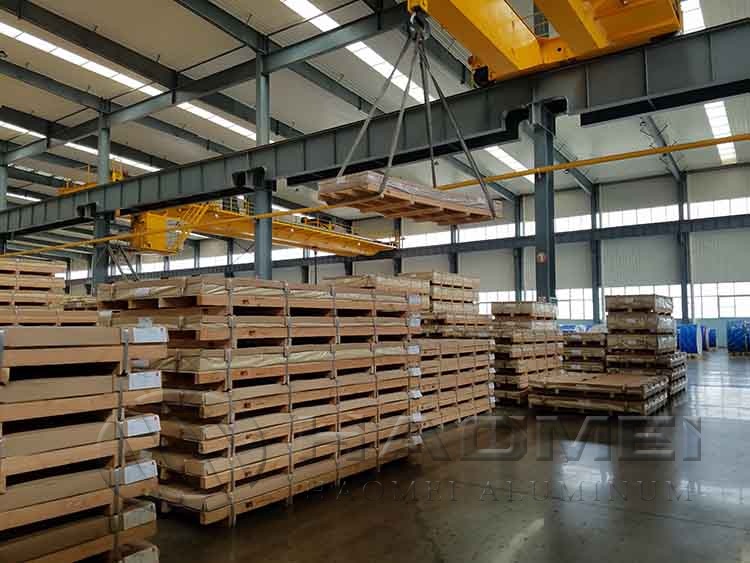
What 1100 H14 offers in production
According to common industry standards such as ASTM B209 for aluminum and aluminum-alloy sheet and plate, and ASTM B479 for foil, 1100 is widely used where corrosion resistance and workability are more important than high structural strength.
Typical application areas include:
- Nameplates and decorative parts
- Chemical handling equipment
- Heat exchanger components
- Reflectors and lighting parts
- Cookware and food-related components
- Roofing, insulation jacketing, and closures
- Transformer and conductor-related parts
If your operation needs stronger load-bearing performance, 1100 H14 is usually not the first option. If the project needs easy bending, spinning, stamping, or surface finishing, it often becomes a cost-effective choice.
Quick property check
| Item | 1100 H14 performance | Why it matters |
|---|---|---|
| Alloy family | 1xxx commercially pure aluminum | Good corrosion resistance and conductivity |
| Aluminum content | 99.0% min | Supports conductivity and clean surface quality |
| Temper | H14, strain-hardened half-hard | More strength than annealed O temper |
| Corrosion resistance | Very good | Suitable for humid and light chemical environments |
| Formability | Very good | Helps reduce cracking in bending and spinning |
| Weldability | Good | Useful for fabrication routes with joining |
| Electrical conductivity | High | Relevant for electrical and thermal transfer uses |
| Structural strength | Limited vs 3xxx, 5xxx, 6xxx | Not intended for high-load parts |
For purchasers comparing Aluminum Sheet Plate options across temper conditions, H14 often sits in the practical middle: easier to process than harder tempers, but more stable than fully soft O temper.
Verified data you can use
Property values vary by thickness and supplier test report, so purchasing decisions should rely on mill certificates and the governing specification. Still, standard reference ranges are useful for screening.
Common mechanical and physical data
| Property | Typical value for 1100 H14 | Reference context |
|---|---|---|
| Tensile strength | about 110-145 MPa | Typical published range for H14 sheet |
| Yield strength | about 95 MPa minimum in many references | Depends on product form and thickness |
| Elongation | varies by gauge | Higher at thicker gauges |
| Density | about 2.71 g/cm3 | Standard aluminum density range |
| Electrical conductivity | about 59% IACS | Common reference for 1100 alloy |
| Thermal conductivity | about 220 W/m·K | Published typical value |
| Melting range | about 643-657°C | Typical for 1100 aluminum |
These figures align broadly with engineering references used across the aluminum industry. Final acceptance should always follow ASTM, EN, GB/T, or the contract specification named on the order.
Compare 1100 H14 with nearby options
| Grade / temper | Strength level | Formability | Corrosion resistance | Typical use |
|---|---|---|---|---|
| 1100 O | Lower | Excellent | Very good | Deep drawing, soft-forming parts |
| 1100 H14 | Medium within 1xxx | Very good | Very good | General stamping, spinning, jacketing |
| 1050 H14 | Similar but composition differs | Very good | Very good | General industrial sheet |
| 3003 H14 | Higher than 1100 H14 | Good | Good | Cookware, roofing, tanks |
| 5052 H32 | Much higher | Fair to good | Excellent | Marine and stronger formed parts |
If conductivity and surface purity are more important than strength, 1100 H14 usually wins over 3003. If extra structural performance is needed, 3003 or 5052 may be better.
How to order the right 1100 H14 material
Use this checklist before placing a production order.
1. Confirm the product form
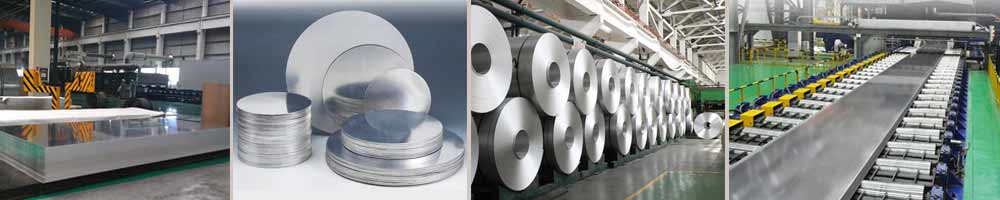
1100 H14 is sold as:
- Sheet
- Strip
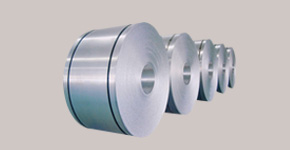
- Coil
- Foil
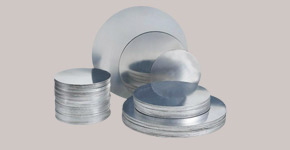
- Circle
For high-speed stamping and slitting lines, coil often lowers handling time. For cookware and spinning parts, circles may reduce internal scrap.
2. Lock in thickness and tolerance
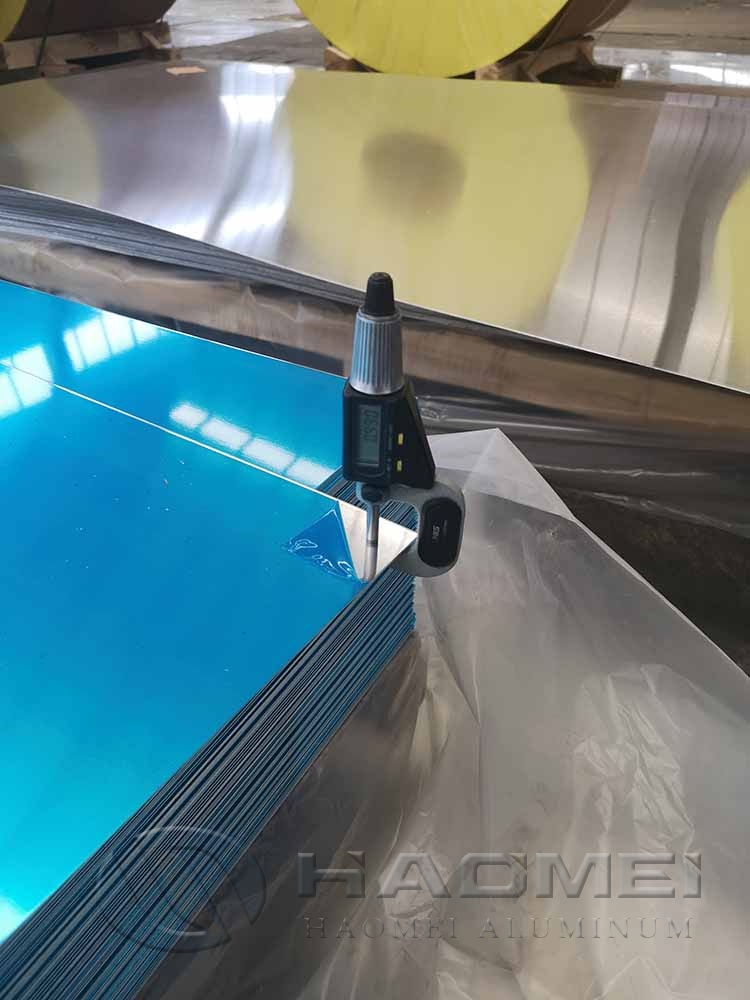
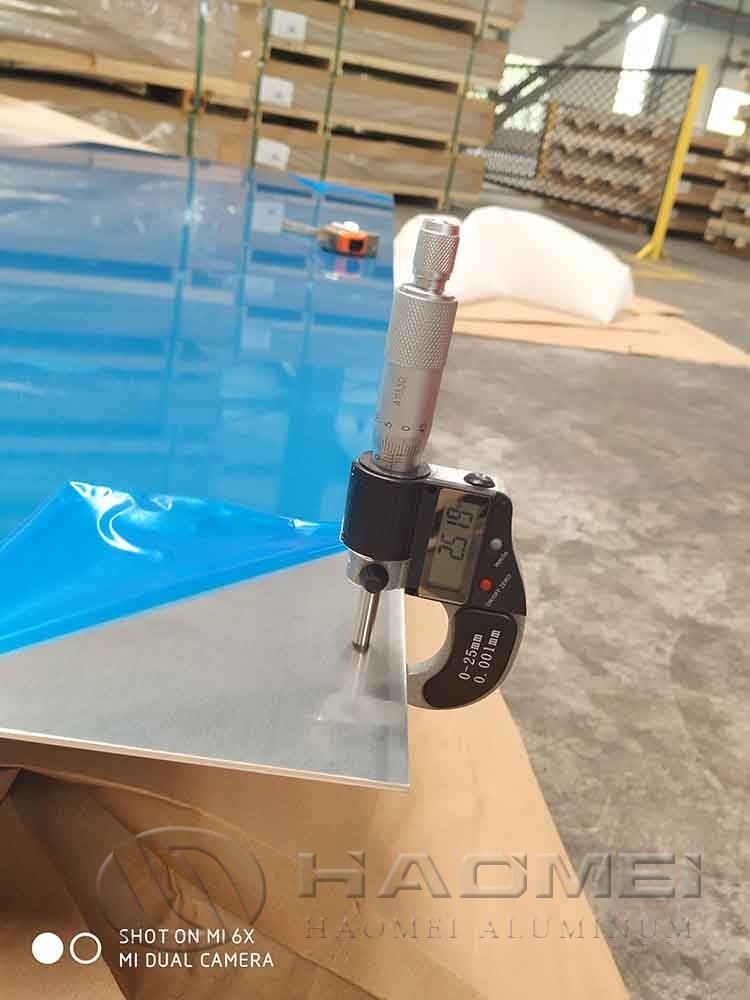
Thin gauges improve forming but can increase dent risk during transit. Always match thickness tolerance to the intended process, especially before holiday shutdowns when replacement lead times can stretch.
If multiple gauges are needed, review Different Thickness Aluminum Sheet -- Haomei options early to avoid mixed-stock delays.
3. Specify surface and edge condition
Ask for:
- Mill finish or special surface requirement
- Oiled or dry surface if relevant
- Slit edge or mill edge
- Flatness criteria for sheet
- Coil ID, OD, and pallet method
These details affect rejection rates more than many teams expect.
4. Request standards on the quote
A reliable quotation should state:
- Alloy: 1100
- Temper: H14
- Standard: ASTM B209, EN equivalent, or customer drawing
- Dimensions and tolerances
- Quantity by weight and by piece
- Packaging method
- Test certificate availability
5. Plan around holiday demand
For many regions, lead time pressure rises before Christmas, New Year, Lunar New Year, and summer maintenance periods. The holiday solution is simple: split ordering into safety stock plus scheduled releases.
That approach helps when:
- Ports slow down
- Truck capacity tightens
- Staffing is reduced
- End users accelerate year-end shipments
Pricing factors that change your landed cost
Because aluminum pricing is tied to base metal markets and fabrication costs, fixed public prices can become outdated quickly. Instead of relying on a single number, compare these cost drivers:
| Pricing factor | Effect on cost |
|---|---|
| LME or regional aluminum price | Direct impact on metal value |
| Thickness and width | Thin, precise gauges may cost more to process |
| Coil vs sheet vs circle | Conversion route changes yield and handling cost |
| Surface requirement | Higher cosmetic standards raise inspection cost |
| Packaging | Export pallets, moisture protection, and fumigation add cost |
| Order size and schedule | Stable release plans can improve production efficiency |
| Certification and testing | Extra documentation may increase processing time |
For industrial users, the lowest ex-works quote is not always the lowest total cost. Rejects, transit damage, and missed holiday production windows usually cost more.
Best-fit uses and red flags
Use 1100 H14 when you need:
- Reliable bending and spinning
- Good corrosion resistance
- High conductivity
- Clean anodizing or finishing potential
- Lightweight non-structural parts
Avoid it when you need:
- High mechanical load capacity
- Marine-grade strength retention
- Aerospace-grade structural performance
- Strong dent resistance in heavy-service applications
A practical sourcing approach is to shortlist 1100 H14 for process-friendly parts, then compare it with 3003 or 5052 only if strength becomes the dominant requirement.
For seasonal planning, 1100 H14 works well as a holiday solution because it balances availability, processing ease, and scrap control. That matters most when labor is lean, overtime is costly, and replacement material may not arrive quickly.
Original source: https://www.hm-alu.com/a/1100-h14-aluminum-properties.html
Tags:1100 H14 aluminum properties 1100 H14 aluminum sheet 1100 aluminum coil aluminum strip
Prev: How to Choose the Right Aluminum Circle for Deep Drawing
Next: Round Aluminum Sheet