

Round Aluminum Sheet
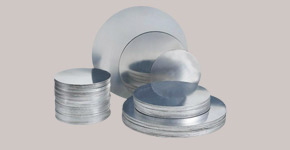
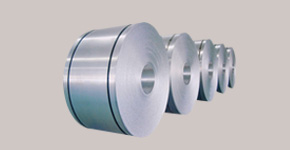
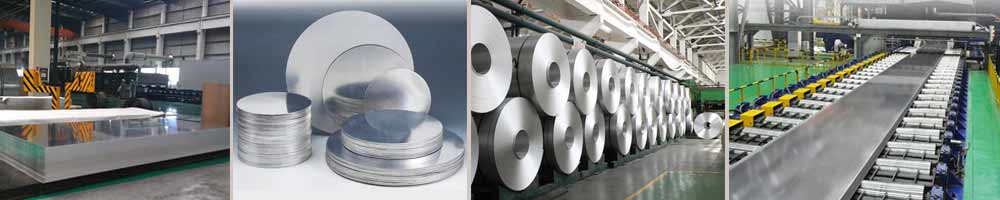
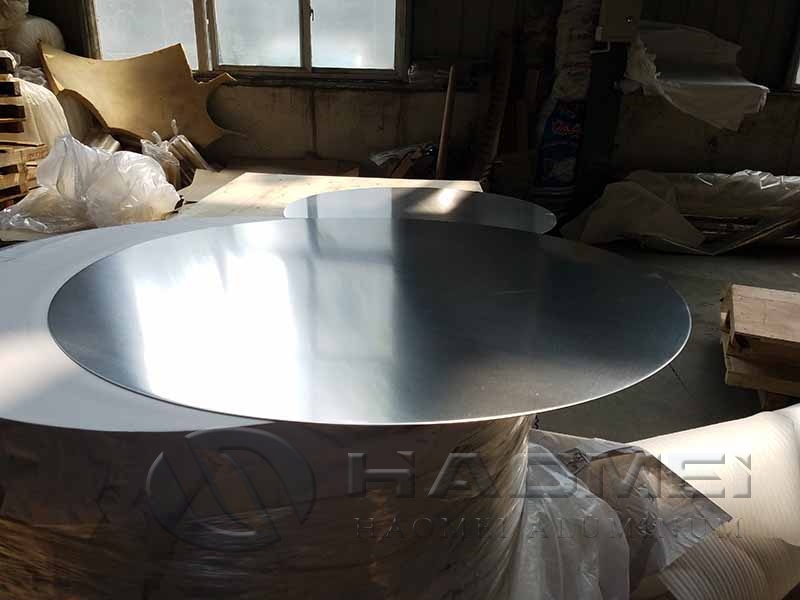
A round aluminum sheet is usually supplied as an aluminum circle or disc cut from coil or flat plate. It is widely used in cookware, lighting reflectors, road signs, appliance parts, lids, and spun or deep-drawn components. For commercial sourcing, the top concern is often dimensional consistency, because unstable thickness or poor flatness can raise scrap rates, crack during forming, or slow automated production.
How to choose the right round blank
The fastest way to reduce processing risk is to match the product to the forming method first, then confirm alloy, temper, tolerance, and surface quality.
Step 1: Identify the forming process
Use this checklist before sending an inquiry:
- Deep drawing for pots, pans, and kitchenware
- Spinning for lampshades and reflectors
- Stamping or punching for covers and industrial parts
- Anodizing for decorative or reflective applications
- Welding or assembly for structural subcomponents
If the part requires strong drawability, many processors focus on 1xxx and 3xxx series. In cookware and utensil applications, 1050, 1060, 1070, and 3003 are common because of their formability and thermal conductivity.
For applications needing dedicated blanks, Aluminum Circle supply is often preferred over in-house cutting because it can improve edge quality and thickness consistency.
Step 2: Match alloy and temper
Here is a practical comparison table.
| Alloy | Typical features | Common tempers | Suitable uses |
|---|---|---|---|
| 1050 | High purity, excellent forming, good conductivity | O, H14 | Deep drawing, lamp parts, cookware |
| 1060 | Very good ductility, strong thermal/electrical conductivity | O, H12, H14 | Utensils, signs, spun parts |
| 1070 | Higher purity than 1060, good for reflective and conductive uses | O, H14 | Reflectors, specialty formed parts |
| 3003 | Better strength than 1xxx, good corrosion resistance | O, H14 | Cookware bottoms, general industrial parts |
| 5052 | Higher strength, good corrosion resistance, less suitable for deep drawing than O-temper 1xxx | O, H32 | Covers, marine-related parts, stronger stamped components |
In many formed products, O temper is selected when maximum ductility matters. H tempers can improve rigidity, but they may reduce deep-drawing performance.
Step 3: Confirm dimensions and tolerance
Do not stop at diameter and thickness. Ask for all of the following:
- Diameter tolerance n- Thickness tolerance
- Flatness
- Burr height
- Edge condition
- Surface finish
- Coil source and batch consistency
- Packing method for export or automated feeding
For aluminum and aluminum alloy sheet products, common dimensional standards include ASTM B209/B209M for sheet and plate in North America, while EN 485 is widely referenced in Europe for wrought aluminum sheet, strip, and plate requirements. Always confirm which standard governs tolerance and mechanical properties in the order.
Tolerance is the feature that affects processing cost most
When buyers compare offers, unit price gets attention first, but tolerance control usually has a bigger effect on total manufacturing cost.
Why it matters:
- Thickness variation changes draw depth and final wall thickness.
- Poor flatness disrupts automatic stamping lines.
- Large burrs can damage dies and require secondary deburring.
- Surface defects can become obvious after anodizing or polishing.
This is especially important for cookware and utensil production.
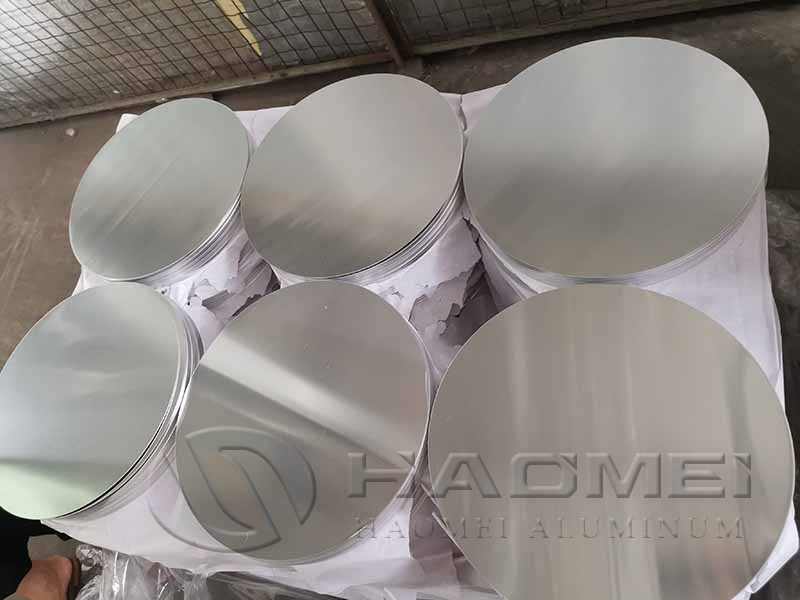
A simple incoming inspection routine can prevent downstream losses.
| Inspection item | What to check | Suggested tool |
|---|---|---|
| Thickness | Measure at center and multiple edge points | Micrometer |
| Diameter | Verify roundness and size consistency | Vernier caliper or tape for large discs |
| Flatness | Place on flat table, check rocking or gaps | Straightedge, feeler gauge |
| Surface | Oil marks, dents, scratches, oxidation | Visual inspection under consistent light |
| Edge quality | Burr, cracks, deformation | Visual and touch-safe inspection |
| Material ID | Alloy, temper, batch number | Mill test certificate |
For buyers supplying cookware, lighting, or deep-drawn parts, these checks are not optional. They directly affect yield.
Pricing, regulations, and market checks
Round blank pricing usually depends on five variables:
- Aluminum ingot or LME-linked base price
- Alloy series and purity level
- Thickness and diameter
- Surface and edge requirements
- Processing route, including slitting, blanking, annealing, and packaging
As a market practice, processors often quote aluminum products using a base metal price plus fabrication premium. Because metal markets move daily, it is safer to lock these details in the quote:
- Pricing basis date
- Currency
- Incoterm
- Weight calculation method
- Tolerance commitment
- Scrap claim rule
- Certificate requirements
For regulatory and technical references, use recognized sources such as ASTM International for material standards, The Aluminum Association for alloy designation guidance, and EN standards for European compliance. If the material is intended for food-contact cookware, confirm local food-contact compliance requirements before order release, because coating systems and production controls may matter as much as base alloy.
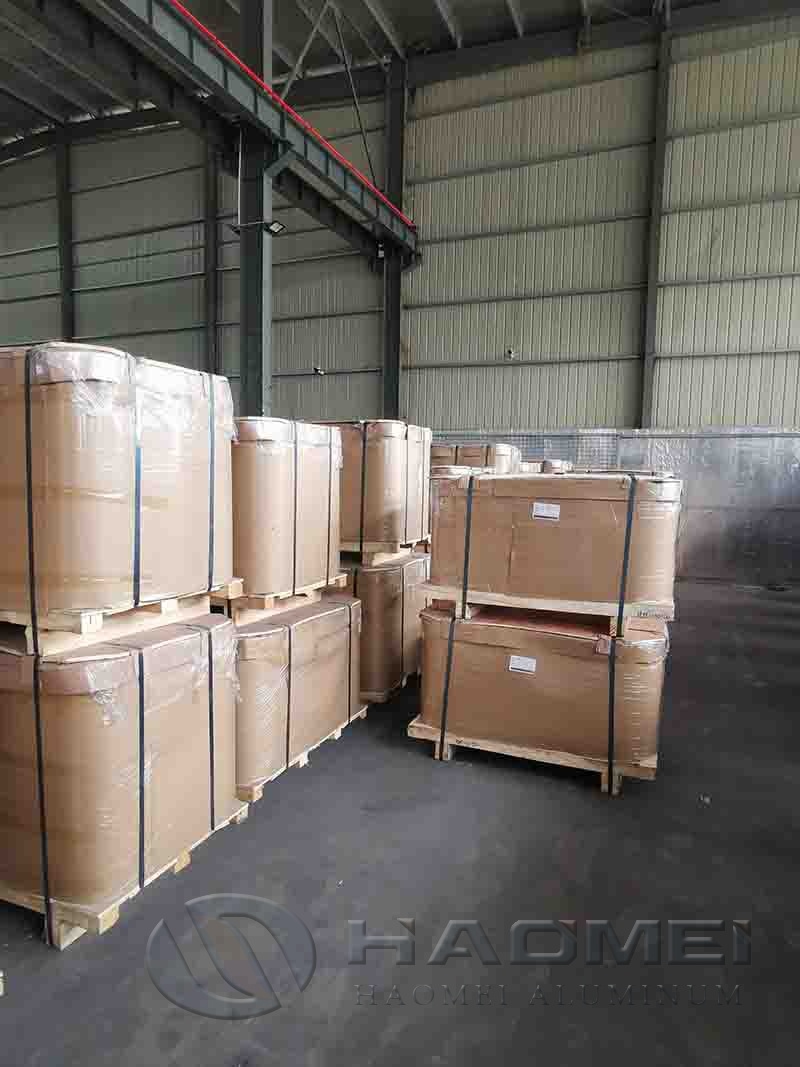
If your application involves repeated deep drawing, it is worth asking whether the supplier provides Aluminum Circles with controlled earing performance and annealing suitable for cookware lines.
Fast sourcing checklist
Use this format in RFQs to get more comparable offers:
| Item | Example |
|---|---|
| Product | Round aluminum disc |
| Alloy | 1060 |
| Temper | O |
| Thickness | 1.2 mm |
| Diameter | 320 mm |
| Application | Deep drawing cookware |
| Surface | Mill finish, no scratches affecting forming |
| Edge | Low burr |
| Standard | ASTM B209 or agreed equivalent |
| Documents | MTC, packing list, invoice |
| Packing | Export pallets with interleaving paper |
| Quantity | Monthly forecast + first trial order |
A clear RFQ shortens technical back-and-forth and makes pricing easier to compare across mills and processors.
Common mistakes to avoid
- Choosing H temper for parts that need aggressive drawing
- Comparing quotations without confirming tolerance standard
- Ignoring burr height on stamped discs
- Focusing only on alloy and forgetting surface requirements
- Ordering trial material without verifying batch traceability
- Using general sheet data when the part actually needs circle-specific forming performance
For most industrial users, the best-performing round aluminum sheet is not simply the cheapest one. It is the one that reaches target yield with stable thickness, clean edges, and the right temper for the process.
Original source: https://www.hm-alu.com/a/round-aluminum-sheet.html
Tags:round aluminum sheet aluminum circle aluminum disc cookware aluminum circle deep drawing aluminum