

Aluminum Gutter Coil
Aluminum gutter coil is pre-painted, slit-to-width metal used to roll-form seamless rain gutters and related trim. For volume orders, the main concern is not only alloy or price. The most expensive failure is premature paint chalking, peeling, or color mismatch after installation. This article focuses on coating durability as the main purchasing concern, then connects it to specifications, processing, cost control, standards, and supply risk.
1. Specify the Material Before Asking for Price
Most seamless gutter programs use 3000-series aluminum because it combines formability, corrosion resistance, and moderate strength. Common choices include 3105 and 3003 in H24, H26, or similar half-hard tempers. These alloys are not heat-treatable; strength comes mainly from cold work.
Typical residential gutter stock thickness is 0.027 in to 0.032 in, about 0.69 mm to 0.81 mm. Wider and heavier commercial systems may require thicker gauges, depending on local wind, snow, and span requirements.
| Item | Common Range | Why It Matters |
|---|---|---|
| Alloy | 3105, 3003 | Formability, corrosion resistance, roll-forming stability |
| Temper | H24, H26 | Balance between shape retention and cracking resistance |
| Thickness | 0.027-0.032 in | Dent resistance, machine setting, installed rigidity |
| Width | 11.75, 15, 18, 24 in | Matches 5 in, 6 in gutter and trim systems |
| Coil ID | 16 in or 20 in typical | Must match decoiler and packaging design |
| Finish | Polyester, SMP, PVDF | Controls weathering, color retention, warranty level |
When a program includes gutter stock, fascia, and trim, confirm that the supplier controls slitting, tension leveling, coating, and packaging under one quality plan. A source that regularly produces Aluminum Coil for building applications is easier to audit than a trader offering mixed-origin lots.
2. Coating Durability Is the Feature to Control
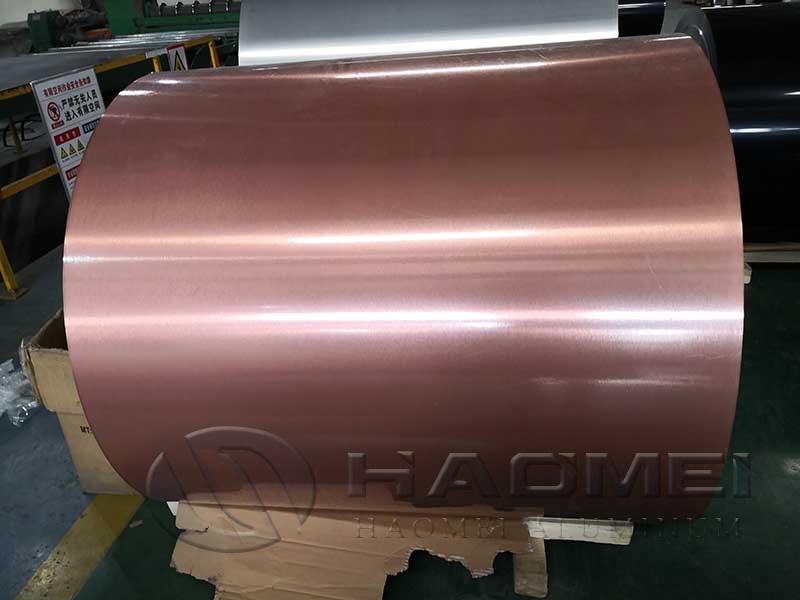
The coating system determines outdoor appearance more than the base metal does. Polyester is cost-effective for standard residential use. SMP, or silicone-modified polyester, improves weathering compared with basic polyester. PVDF, commonly based on 70% fluoropolymer resin systems, is used where long-term color retention and chalk resistance are required.
| Coating System | Typical Use | Strength | Watch Point |
|---|---|---|---|
| Polyester | Standard residential gutters | Competitive cost, many colors | Lower chalk resistance in intense UV |
| SMP | Upgraded residential and light commercial | Better weathering than basic polyester | Confirm resin and warranty terms |
| PVDF | Coastal, high-UV, premium projects | Strong color and gloss retention | Higher coating cost and MOQ risk |
Use recognized test methods when approving paint. ASTM D3359 is widely used for adhesion by tape test. ASTM D4214 covers evaluation of chalking on exterior paint films. ASTM B117 salt spray is often referenced for corrosion resistance, but ASTM itself treats it as a controlled laboratory exposure, not a perfect predictor of real outdoor service life. For architectural coatings, AAMA 2603, AAMA 2604, and AAMA 2605 are widely cited performance categories, with 2605 representing the highest weathering class among the three.
For color-critical projects, compare standard PE, upgraded SMP, and PE PVDF Color Coated Aluminum Coils using the same alloy, thickness, primer, back coat, and test panel exposure method.
3. Manufacturing Route and Inspection Points
A reliable gutter coil route usually follows these steps:
- Cast or hot-roll aluminum feedstock.
- Cold roll to target gauge.
- Anneal and temper to required hardness.
- Clean, pretreat, prime, and paint on a continuous coating line.
- Cure the coating under controlled oven conditions.
- Slit to gutter widths.
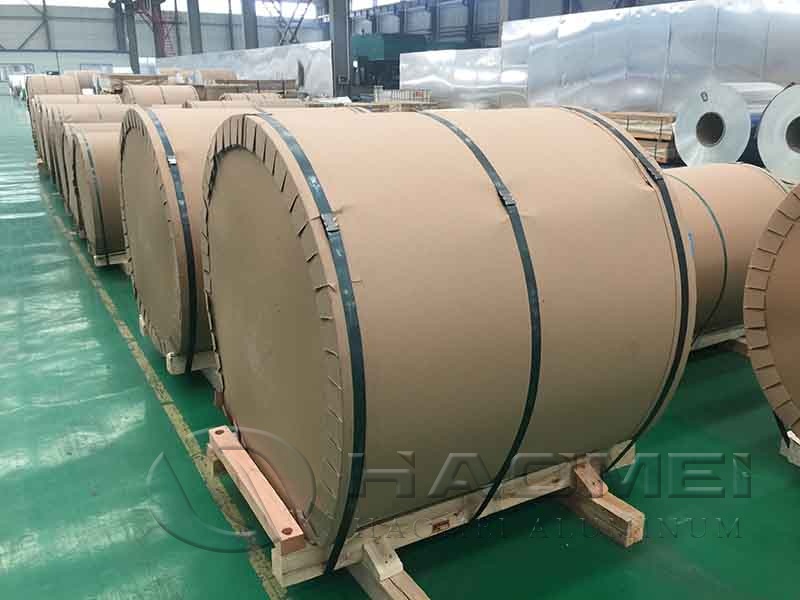
- Pack with eye-to-sky or eye-to-wall orientation as agreed.
Quality problems often appear after slitting or roll forming, not during flat inspection. Therefore, sampling should include a short roll-forming trial when possible.
| Inspection Item | Practical Method | Accept or Reject Signal |
|---|---|---|
| Thickness | Micrometer or calibrated gauge | Within contract tolerance, no edge variation trend |
| Paint thickness | Magnetic or eddy-current tester | Meets approved coating specification |
| Color | Spectrophotometer, Delta E agreement | Same master sample and light condition |
| Edge quality | Visual and burr check | No sharp burrs causing scratches or unsafe handling |
| Coil winding | Sidewall and telescoping check | No severe camber, collapse, or loose wraps |
| Formability | Trial through gutter machine | No paint cracking at bends or bead areas |
4. Standards and Compliance to Put in the Contract
Do not rely on generic descriptions such as painted gutter metal. Put standards and measurable requirements into the purchase document.
| Area | Common Reference | Contract Use |
|---|---|---|
| Aluminum flat products | ASTM B209 or EN 485 | Defines dimensional and mechanical expectations |
| Alloy designation | Aluminum Association system, EN 573 | Avoids confusion between 3003, 3105, and other grades |
| Paint adhesion | ASTM D3359 | Confirms coating bond after curing and forming |
| Chalking | ASTM D4214 | Supports outdoor appearance claims |
| Architectural coating | AAMA 2603/2604/2605 | Aligns finish class with project exposure |
| Restricted substances | EU REACH, RoHS where applicable | Needed for EU supply and downstream declarations |
If the product is sold into the United States, check current duties and trade remedies before shipment. U.S. aluminum imports can be affected by Section 232 measures and country-specific anti-dumping or countervailing duty orders. These rules change, so confirm classification, origin, and duty exposure with a licensed customs broker before signing annual volume contracts.
5. Cost Drivers and Market Cycle Timing
Gutter coil pricing normally reflects three layers: aluminum metal value, conversion cost, and coating or slitting extras. The metal value is usually linked to LME aluminum plus a regional premium, such as the U.S. Midwest premium published by recognized market reporting agencies. Paint type, color, film thickness, packaging, and order size then shape the final number.
| Cost Driver | What to Track | Action for Volume Orders |
|---|---|---|
| LME aluminum | Daily cash and 3-month aluminum movement | Use formula pricing if contract length is long |
| Regional premium | Midwest, European, or local premium | Separate premium from conversion in quotation |
| Paint resin | Polyester, SMP, PVDF cost spread | Lock approved paint code before price comparison |
| Energy | Coating line and rolling energy exposure | Ask validity period on conversion charge |
| Freight | Coil weight, route, fuel, port congestion | Compare delivered cost, not only ex-works price |
| MOQ and colors | Custom colors create setup loss | Consolidate colors where demand is uncertain |
Aluminum is cyclical. Construction demand, interest rates, energy costs, scrap availability, and smelter curtailments all influence price. During rising markets, suppliers shorten validity periods and push metal-price formulas. During slow construction cycles, conversion margins may soften, but special colors and imported duties can still keep delivered cost firm.
6. Sourcing Checklist for Lower Claims Risk
Use this checklist before placing repeat orders:
- Confirm alloy, temper, thickness, width, coil ID, OD limit, and weight range.
- Request mill test certificates showing alloy and mechanical properties.
- Approve color master panels, gloss range, and permitted Delta E tolerance.
- Define front coat, primer, back coat, and total dry film thickness.
- Require coating adhesion and bend performance after roll-forming simulation.
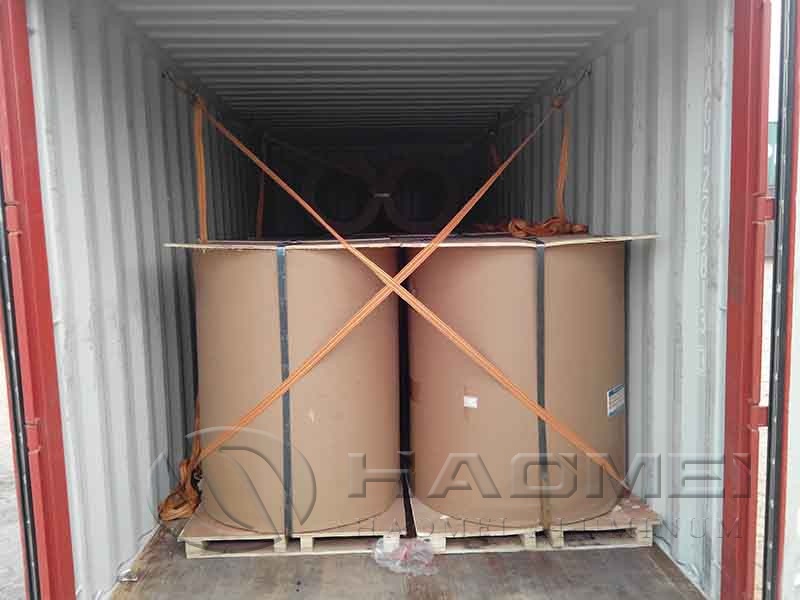
- State packaging method, moisture protection, pallet design, and stacking limit.
- Record origin, HS classification, and any duty exposure before shipment.
- Keep retain samples from every lot for future claim comparison.
For gutter production, the safest specification is the one that connects alloy, temper, coating class, and forming performance. A cheaper coil that cannot hold color, resists forming poorly, or arrives with edge damage will raise installed cost faster than the initial discount can offset.
Original source: https://www.hm-alu.com/a/aluminum-gutter-coil.html
Tags:Aluminum Gutter Coil Gutter Coil Stock Painted Aluminum Coil 3105 Aluminum Coil
Prev: How Thick Is 16 Gauge Aluminum
Next: 1050 Alloy