

Black Trim Coil
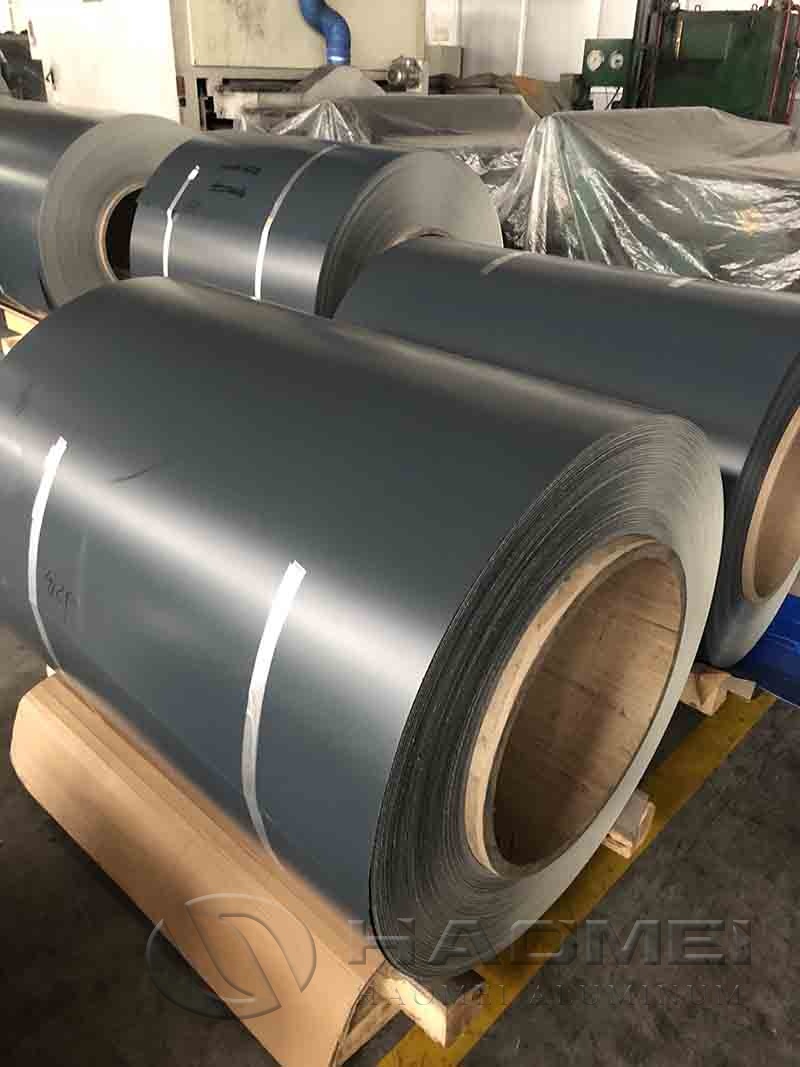
Black trim coil is widely used for window casing, fascia, soffit edges, door frames, garage surrounds, and exterior flashing where a clean dark accent is required. The main concern is not only color. For large commercial and residential programs, the real risk is premature fading, chalking, edge cracking, oil canning, and inconsistent shade between shipments.
This article focuses on one priority: how to specify a black painted aluminum coil that keeps its appearance outdoors.
Why black finish performance matters
Black and dark gray coatings absorb more solar radiation than light colors. That can raise surface temperature, accelerate coating stress, and make chalking more visible. On exterior trim, defects are easy to notice because the product is installed around windows, rooflines, and entrances.
Aluminum is suitable for this use because its density is about 2.70 g/cm³, roughly one-third of steel. It also forms a protective oxide layer, improving corrosion resistance in normal atmospheric exposure. However, the painted surface still determines color retention and field appearance.
For dark exterior trim, purchasing teams should verify coating chemistry, pretreatment, alloy-temper, gauge tolerance, and packaging protection before approving repeat shipments.
Recommended specification range
Common black aluminum trim stock is supplied in 3000-series or 5000-series aluminum, depending on formability, strength, and corrosion requirements. ASTM B209 is the widely referenced standard for aluminum and aluminum-alloy flat-rolled products. For architectural painted aluminum, AAMA 2603, AAMA 2604, and AAMA 2605 are commonly used coating performance standards in North America.
| Item | Practical recommendation | Why it matters |
|---|---|---|
| Alloy | 3003, 3004, 3105, or 5052 as required | Balances bending, strength, and corrosion resistance |
| Temper | H14, H24, or softer temper for tight bends | Reduces cracking during brake forming |
| Thickness | 0.019 in, 0.024 in, 0.027 in, 0.032 in, or custom | Affects stiffness, cost, and forming behavior |
| Width | 24 in is common; custom widths available | Reduces slitting waste for trim profiles |
| Finish | Polyester, SMP, or PVDF | Determines fade, chalk, and chemical resistance |
| Surface | Smooth, embossed, matte, or low-gloss | Influences glare, fingerprint visibility, and perceived quality |
For installers using standard brake equipment, a 24 in. x 50 ft Aluminum Trim Coil format is common for job-site forming, while large programs often request master coils, slit widths, or private-label cartons.
Coating comparison for black trim applications
The finish system should match exposure conditions. A low-cost coating may work for sheltered trim, but coastal, high-UV, or high-temperature locations need better resistance.
| Coating type | Typical use | Strength | Limitation |
|---|---|---|---|
| PE polyester | Economy residential trim, indoor-adjacent areas | Cost-efficient, good color range | Lower long-term UV resistance than premium systems |
| SMP | General exterior trim and siding components | Better weathering than basic polyester | Gloss and color retention vary by formulation |
| PVDF | Architectural exterior projects, harsh UV zones | Strong fade and chalk resistance under AAMA 2605 systems | Higher initial material cost |
AAMA 2605 is often specified for high-performance exterior architectural coatings. It includes requirements for color retention, chalk resistance, gloss retention, humidity resistance, and corrosion testing. AAMA 2604 is a mid-tier exterior standard, while AAMA 2603 is usually applied to lower-demand painted products.
For dark color stability, consider PE PVDF Color Coated Aluminum Coils when the project requires a defined coating tier instead of a generic painted surface.
Ordering checks that prevent shade mismatch
Black is not always the same black. Jet black, matte black, textured black, charcoal black, and dark bronze-black can look different under daylight, LED warehouse lighting, or after forming. Use the following process before release.
Define color by code, not description. Use RAL, Pantone, customer master panel, or approved wet paint reference when available.
Set gloss range. Gloss variation changes the visual depth of black. Ask for gloss measurement at a defined angle, commonly 60 degrees for many coated products.
Request Delta E control. Color difference should be measured against an approved standard using a spectrophotometer. Agree on tolerance before production.
Confirm topcoat and backcoat. Exterior face, reverse side, primer, and total dry film thickness should be documented.
Approve bend test result. Tight bends can expose cracks on dark coatings. Confirm T-bend or reverse impact performance based on the coating standard used.
Lock production lot rules. For visible trim on the same elevation, avoid mixing unapproved lots.
Record coil ID and carton ID. Traceability helps resolve field claims quickly.
Gauge selection: cost versus field rigidity
Gauge selection affects installed appearance. Thin material reduces weight and cost but can show waviness, denting, and handling marks. Thicker material improves stiffness but may need more forming force.
| Thickness | Common application | Consider before ordering |
|---|---|---|
| 0.019 in | Light residential trim | Lower rigidity; careful handling needed |
| 0.024 in | General window and fascia trim | Balanced choice for many exterior jobs |
| 0.027 in | Higher-stiffness trim profiles | Better dent resistance; verify brake capacity |
| 0.032 in | Commercial or heavy-duty trim | Higher cost and forming force |
For large exterior programs, compare total installed cost rather than unit price alone. A slightly heavier gauge may reduce site damage, rework, and visible waviness.
Packaging and logistics checklist
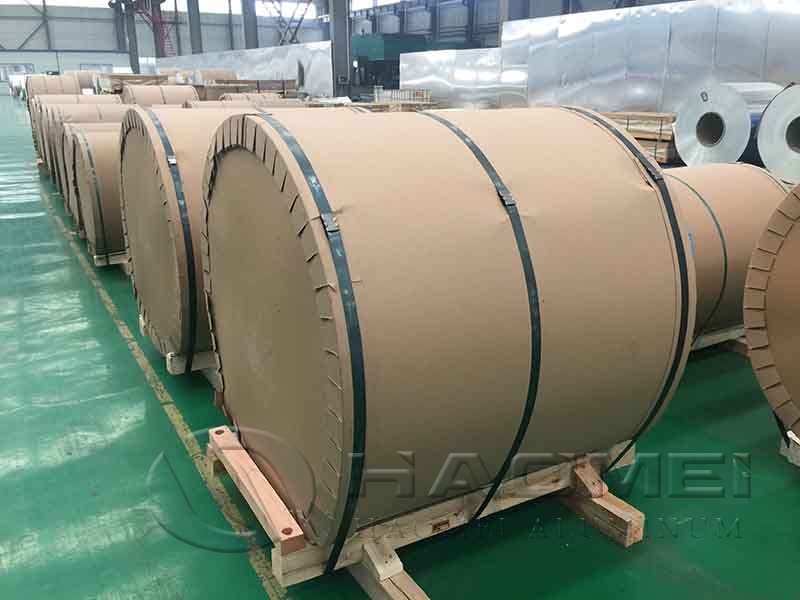
Dark painted aluminum shows rub marks more easily than light colors. Packaging should be specified with the same care as coating.
Use moisture-resistant wrapping and edge protectors.
Specify eye-to-wall or eye-to-sky orientation according to warehouse handling equipment.
Separate coils with protective pads where needed.
Avoid long storage in wet packaging to reduce staining risk.
Store indoors on clean, dry, level surfaces.
Keep coil temperature close to shop temperature before uncoiling to reduce condensation.
Inspect outer wraps, labels, coil edges, and core condition on arrival.
Price factors to verify before contract approval
Black trim coil pricing changes with aluminum base metal, alloy, thickness, coating system, paint brand, order width, quantity, packaging, freight, and tariff exposure. The London Metal Exchange aluminum price is a commonly watched global reference, but final transaction prices also include regional premiums and conversion charges.
For U.S. imports, Section 232 aluminum measures have historically applied a 10% tariff to many aluminum products, subject to country status, exclusions, and trade updates. Always confirm the current tariff classification and duty treatment with a licensed customs broker or official government source before shipment.
Use this commercial checklist:
| Cost item | What to ask suppliers to state clearly |
|---|---|
| Base metal | Pricing formula, quotation validity, currency |
| Coating | PE, SMP, PVDF, film thickness, coating standard |
| Processing | Slitting, embossing, protective film, custom packaging |
| Tolerance | Thickness, width, camber, coil weight range |
| Compliance | ASTM B209, AAMA level, RoHS or REACH if required |
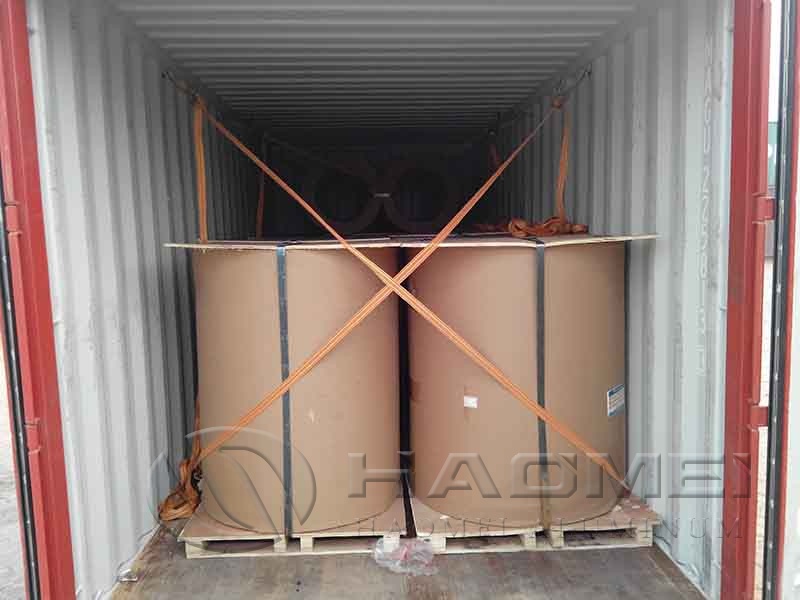
| Logistics | Incoterms, pallet weight, container loading plan |
Final pre-shipment inspection points
Match color panel, gloss range, and Delta E record.
Check width, thickness, coil weight, and inner diameter.
Review coating type, primer, backcoat, and test report.
Inspect edges for burrs, dents, telescoping, or collapsed cores.
Confirm labels show alloy, temper, color, lot number, and net weight.
Photograph packaging before loading.
Keep retained samples from each approved production lot.
Original source: https://www.hm-alu.com/a/black-trim-coil.html
Tags:black trim coil black aluminum trim coil painted aluminum trim stock PVDF coating exterior trim
Prev: Aluminum Circle Disc
Next: 1100 Aluminum Coil