

1100 Aluminium Alloy
Buyers searching for 1100 Aluminium Alloy usually want simple answers to practical questions: which temper to choose, why quotes vary, whether it welds cleanly, and how it behaves in service. Below are 5 buyer-driven questions that have been trending across Google and Q&A communities recently, with original, purchase-focused answers.
1) What is 1100 Aluminium Alloy best used for, and when should I avoid it?
1100 Aluminium Alloy (often written as AA1100) is a commercially pure aluminum, valued for high formability, strong corrosion resistance, and good electrical and thermal conductivity. It is commonly chosen for deep drawing and general fabrication where extreme strength is not required.
Typical fit-for-purpose applications include:
- Decorative and architectural trim that needs easy forming.
- Chemical and food-related equipment where corrosion resistance matters.
- Heat transfer parts where conductivity helps.
- General fabrication where you want predictable bending and stamping.
When to avoid 1100: choose a stronger alloy if the part must carry significant loads, resist denting, or hold threads well. If your design depends on higher yield strength, 3xxx, 5xxx, or heat-treatable 6xxx and 2xxx families are often better.
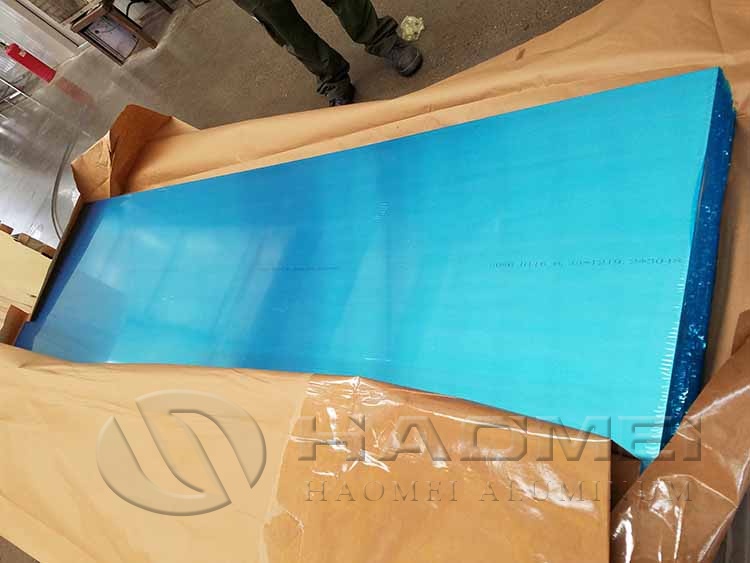
If you are comparing options while sourcing an Aluminum Alloy Sheet, 1100 is usually the "formability and corrosion-first" choice, not the "strength-first" choice.
2) Which temper should I choose for 1100: O, H14, H16, or H18?
Temper selection is one of the most common sources of confusion because it directly impacts forming, flatness, and how the metal behaves in a press.
Here is a buyer-friendly comparison:
| Temper | Typical buyer reason to choose it | Forming behavior | Strength level | Notes |
|---|---|---|---|---|
| 1100-O (Annealed) | Deep drawing, tight radii, complex forming | Best | Lowest | Most forgiving for bending and stamping |
| 1100-H14 | General forming, moderate stiffness | Good | Medium | A common "default" for many fabricated parts |
| 1100-H16 | More stiffness and springback control | Moderate | Medium-high | Less formable than H14 |
| 1100-H18 (Full hard) | Maximum hardness for thin gauges, minimal forming | Limited | Highest | Expect more cracking risk in tight bends |
A practical rule: if your part has tight bend radii or deep drawn shapes, start with O temper. If you need the part to feel stiffer and hold its shape with moderate forming, H14 is often the safest middle ground.
If you are unsure, ask your supplier to confirm recommended bend radius for your thickness and temper, and request a small trial cut if the job is forming-critical.
3) Why do 1100 Aluminium Alloy quotes vary so much between suppliers?
Buyers often assume 1100 pricing should be straightforward, but quotes can vary because the final price is usually a stack of multiple variables rather than "metal cost only." The biggest drivers are:
- Base aluminum price movements: many quotes track regional ingot pricing and adjust frequently.
- Temper and flatness targets: tighter flatness, special leveling, or critical surface requirements can add cost.
- Thickness and width: unusual sizes or very wide formats may increase yield loss at the mill.
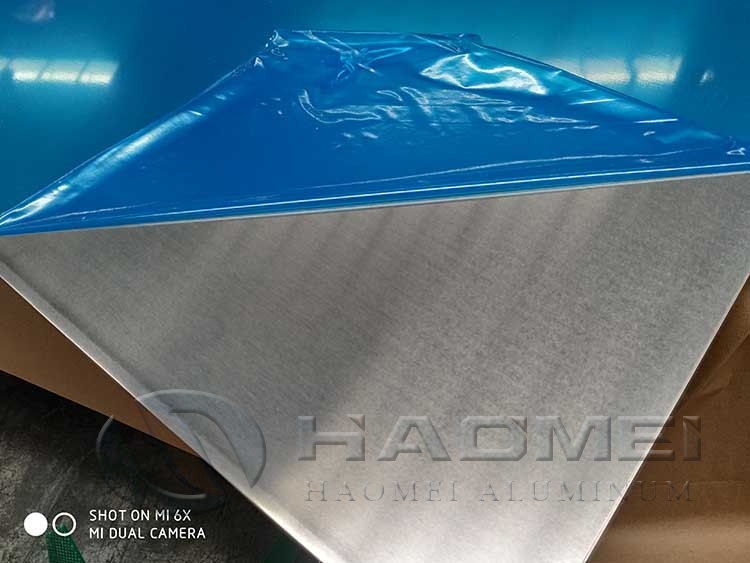
- Surface condition: protective film, paper interleaving, scratch-controlled packaging, or higher cosmetic standards cost more.
- Order quantity and slitting: small lots, many slit widths, or tight tolerances may raise processing cost.
- Certification and testing: requirements such as chemistry reports, mechanical test reports, or special inspections can affect lead time and price.
A purchasing tip: when comparing quotes, make sure the specifications line up exactly. Even a small difference like "commercial surface" versus "decorative surface," or "standard tolerance" versus "tight tolerance," can explain a large gap.
For buyers evaluating plate-like formats, a supplier category page such as Aluminum Sheet Plate can help you clarify what tolerance and surface options are typically offered before you lock your RFQ.
4) Is 1100 Aluminium Alloy easy to weld, and what should I watch for?
1100 is generally considered weldable, especially with common arc welding processes. That said, buyer complaints about "ugly welds" or "unexpected warping" usually come from preparation and heat control rather than the alloy itself.
What to watch for:
- Cleanliness: remove oil and surface contamination. Pure aluminum shows weld defects quickly if prep is poor.
- Oxide layer: aluminum oxide melts at a much higher temperature than the base metal, so proper technique and cleaning are critical.
- Heat input and distortion: 1100 conducts heat well, so thin sections can warp if heat is not managed.
- Appearance expectations: if the part is cosmetic, define acceptable weld appearance and post-finish steps early.
If your component will be heavily formed after welding, consider sequencing: in many cases, forming first and welding later reduces distortion and cracking risk.
5) Does 1100 Aluminium Alloy resist corrosion, and is it food-safe?
1100 Aluminium Alloy is widely chosen for corrosion resistance in many everyday environments because it forms a stable oxide layer. For typical indoor and many outdoor uses, it performs well when basic handling prevents scratches and embedded contaminants.
However, "corrosion resistance" does not mean "immune to everything." Real-world pitfalls include:
- Galvanic contact: if 1100 is bolted directly to copper, carbon steel, or other dissimilar metals in a wet environment, galvanic corrosion can accelerate. Use isolators or coatings.
- Chlorides: salty or coastal exposure increases corrosion risk, especially in crevices. Design to avoid trapped moisture.
- Cleaning chemicals: some aggressive cleaners can stain or etch aluminum. Confirm compatible cleaning methods if appearance matters.
Regarding food-related use: 1100 is commonly used in food-adjacent equipment, but "food-safe" is not only about alloy grade. It also depends on surface finish, cleanliness, and local regulatory requirements for the finished product. If your application is sensitive, specify the required finish and documentation in the purchase order.
Quick buyer checklist for your RFQ
| Item to confirm | Why it matters | Example of what to state |
|---|---|---|
| Alloy and temper | Defines forming and strength | "AA1100-H14" |
| Thickness and tolerance | Impacts fit and cost | "0.8 mm, standard tolerance" |
| Width, length, and edge | Affects yield and processing | "1000 mm width, deburred edges" |
| Surface requirement | Drives cosmetic acceptability | "One side decorative, film protected" |
| End use environment | Helps avoid corrosion surprises | "Indoor, occasional wash-down" |
Original source: https://www.hm-alu.com/a/1100-aluminium-alloy.html
Tags:1100 Aluminium Alloy 1100 aluminum AA1100 1100 temper welding 1100 aluminum
Prev: 1000 Series Aluminium