

1060 Alloy
1060 aluminum is a commercially pure 1xxx-series material with a minimum aluminum content of 99.60%. It is selected when corrosion resistance, electrical conductivity, heat transfer, and cold-forming performance matter more than high strength.
For converters, the main risk is not selecting the nominal alloy. It is receiving material with inconsistent temper, surface condition, or dimensional tolerances that disrupt stamping, spinning, anodizing, or electrical fabrication. Make surface cleanliness and temper consistency the primary acceptance controls.
Material Selection: What 1060 Aluminum Can and Cannot Do
The Aluminum Association alloy designation for 1060 establishes the chemical-composition framework. Aluminum is 99.60% minimum. The main impurity limits include silicon plus iron at 0.35% maximum, copper at 0.05% maximum, manganese at 0.03% maximum, magnesium at 0.03% maximum, and zinc at 0.05% maximum. Confirm the current specification and mill certificate rather than relying on a catalogue value.
| Property | Practical Procurement Meaning |
|---|---|
| High aluminum purity | Supports corrosion resistance, reflectivity, heat transfer, and electrical uses. |
| Non-heat-treatable alloy | Strength is controlled mainly by cold-work temper, not solution heat treatment. |
| Excellent cold formability | Suitable for deep drawing, spinning, bending, and embossing in appropriate tempers. |
| Lower strength than 3xxx or 5xxx grades | Not the default choice for load-bearing structures or pressure-containing parts. |
| Good weldability | Commonly compatible with conventional aluminum welding practices, subject to procedure qualification. |
Temper changes performance substantially. O temper is annealed and normally chosen for deep-drawn cookware, lighting reflectors, and spun discs. H14 and H24 are common half-hard options where improved stiffness is needed while retaining workable bendability. H18 is harder and is often used where flatness and rigidity matter more than severe forming.
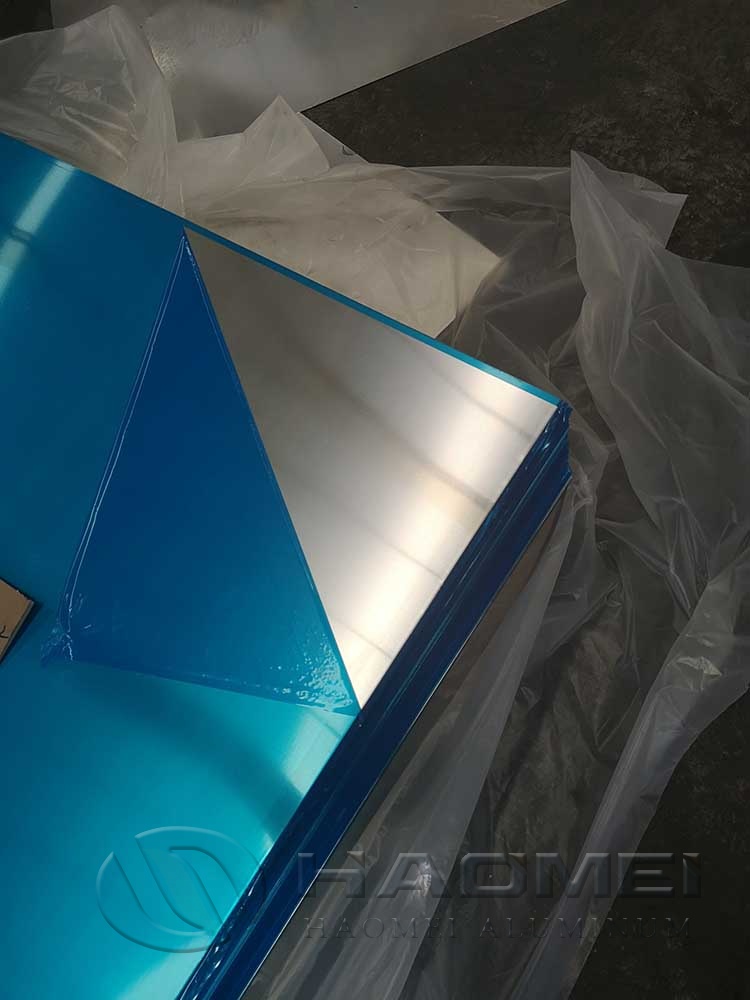
Do not specify only "1060 aluminum." State product form, thickness, width or diameter, temper, dimensional tolerance, surface finish, and end-use test. For general flat products, Aluminum Sheet Plate specifications should distinguish between commercial appearance requirements and critical forming surfaces.
Processing Controls for Coil, Foil, Strip, and Circles
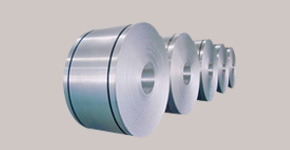
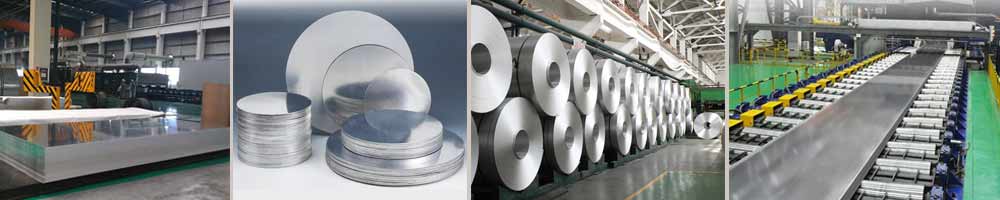
Production begins with cast slab, followed by hot rolling where required, cold rolling to final gauge, intermediate or final annealing, slitting, cutting, and inspection. Thin-gauge foil and strip require particularly close control of gauge profile, edge condition, rolling oil residue, and coil winding.
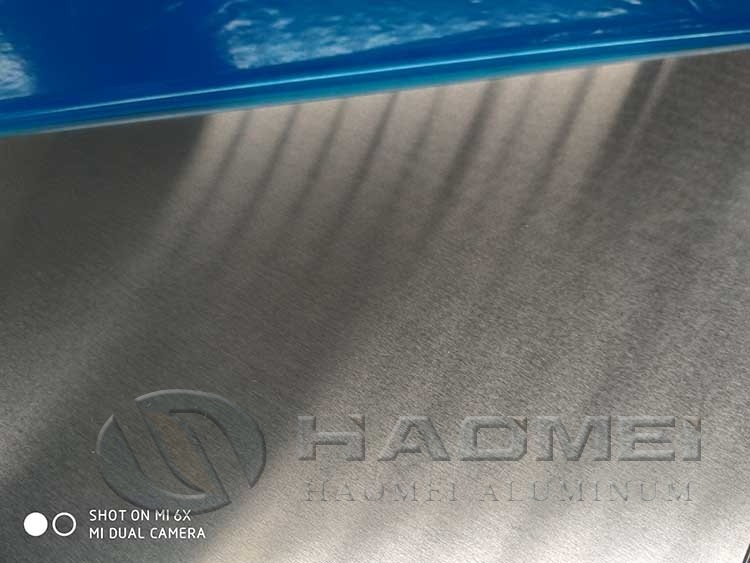
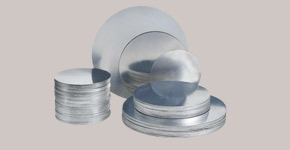
For discs and circles, blanking quality is central. Poorly controlled burr height, eccentricity, or edge cracks can cause tearing during spinning and deep drawing. If the finished part is anodized, polished, laminated, or coated, surface defects such as roll marks, scratches, inclusions, oil staining, and color variation should be agreed before production.
Use this order-entry checklist:
- Define the product: coil, slit strip, cut length, foil, disc, or circle.
- Specify alloy and temper, for example 1060-O or 1060-H14.
- Set nominal dimensions and tolerances for thickness, width, length, diameter, camber, flatness, and burr direction.
- Define surface acceptance using retained samples or written defect limits.
- State application tests: deep-draw cup test, bend test, conductivity test, coating adhesion, or anodizing trial.
- Require a mill test certificate with heat number, chemical analysis, temper, dimensions, and relevant mechanical results.
- Agree packaging: eye-to-wall or eye-to-sky coil orientation, interleaving, moisture barrier, pallet construction, and maximum unit weight.
A trial lot is advisable when converting into cookware circles, transformer winding, lamp components, chemical equipment cladding, or decorative anodized parts. The trial should replicate actual press tonnage, lubrication, die geometry, and forming speed. Material that passes a laboratory bend test can still fail in production if die clearance or lubricity changes.
For applications requiring a broader range of tempers or surfaces, compare requirements against Aluminum Alloy Sheet options before fixing the purchase specification.
Cost, Compliance, and Supply Planning
The purchase price is normally built from four components: aluminum exchange reference price, regional physical premium, rolling conversion charge, and value-added services. Slitting, annealing, protective film, precision cutting, disc blanking, testing, and export packing should be quoted separately. This structure makes supplier comparisons more reliable than comparing a single delivered price.
| Cost or Supply Variable | Action to Reduce Exposure |
|---|---|
| Exchange-price volatility | Agree a pricing date, quotation validity, and formula tied to the relevant aluminum reference. |
| Regional premium changes | Identify the named premium basis and delivery location in the contract. |
| Conversion-cost differences | Compare gauge, width, temper, surface, tolerance, and packaging on the same basis. |
| Yield loss in stamping | Optimize circle diameter, coil width, and nesting layout before ordering. |
| Long lead times | Forecast rolling demand, confirm mill allocation, and maintain approved alternate sources. |
| Quality claims | Preserve coil tags, samples, photos, and traceability records before processing material. |
Aluminum markets are cyclical. Primary-metal prices respond to energy costs, smelter curtailments, inventories, interest rates, currency movements, transport constraints, and demand from construction, packaging, electrical, and transport sectors. Conversion capacity can tighten independently of metal availability, especially for narrow strip, thin foil, wide coil, or special surface requirements. Secure capacity based on forecasted monthly tonnage, not only spot availability.
For compliance, align the purchase order with the product's destination and application. ASTM B209 covers aluminum and aluminum-alloy sheet and plate in the United States. EN 573-3 addresses chemical composition and EN 485 series covers wrought aluminum sheet, strip, and plate in Europe. GB/T 3880 is commonly referenced for aluminum and aluminum-alloy sheet and strip in China. Verify the edition required by the project or customer specification.
Where REACH, RoHS, food contact, electrical, or automotive documentation is requested, obtain a supplier declaration that specifically identifies the supplied material and production lot. Do not assume that an alloy designation alone demonstrates regulatory conformity.
Receiving inspection checklist
- Match coil or bundle identification with the mill certificate heat number.
- Measure thickness at agreed positions across the width.
- Check width, diameter, flatness, edge quality, and coil telescoping.
- Inspect protected and unprotected surfaces under agreed lighting conditions.
- Retain samples from the first, middle, and last coils for any claim investigation.
- Release material to production only after documentation and application-critical tests are accepted.
Original source: https://www.hm-alu.com/a/1060-alloy.html
Tags:1060 Alloy 1060 Aluminum
Prev: China Aluminum Coil Export Trends Key Markets, Pricing, and Supply Outlook