

White Aluminum Coil Stock
White aluminum coil stock is frequently discussed by contractors, fabricators, and homeowners planning fascia, soffit, trailer, signage, and architectural trim work. The five questions below reflect recurring English-language question patterns seen in recent Q&A and search discussions. Answers focus on practical material selection rather than generic product claims.
| Question Topic | What to Check Before Ordering | Common Mistake |
|---|---|---|
| White finish type | Painted, anodized, or laminated surface | Assuming every white surface has the same weather resistance |
| Thickness | Gauge, decimal thickness, and temper | Choosing material that is too thin for wide trim |
| Formability | Bend radius, coating flexibility, and tooling | Cracking the finish at sharp folds |
| Outdoor service | UV resistance, chalking resistance, and cut-edge treatment | Selecting an interior-grade coating for exterior exposure |
| Order details | Width, length, core size, protective film, and color reference | Ordering by color name without a sample or color standard |
1. Is white aluminum coil stock painted or anodized?
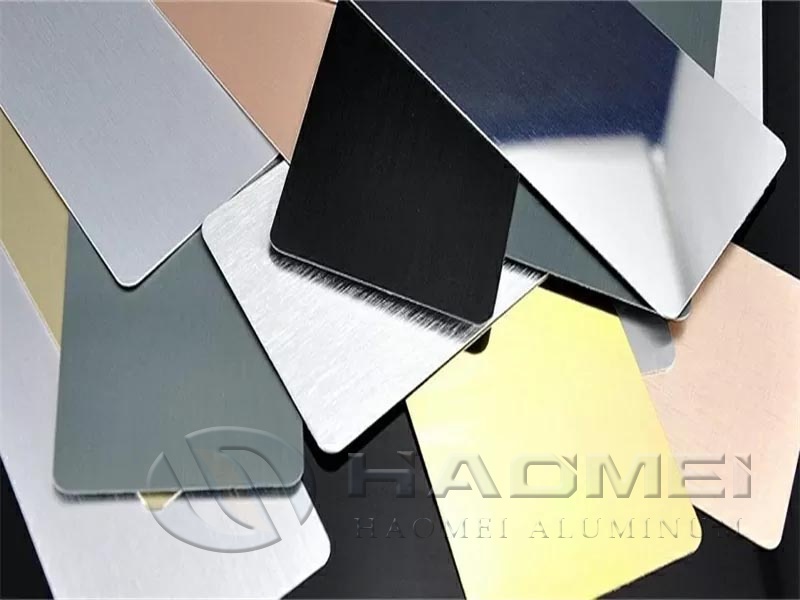
This is one of the most common questions because a white surface can be created in several ways. Most architectural white aluminum coil stock uses a factory-applied paint system, often polyester or PVDF. Paint provides an opaque, consistent white appearance and is available in gloss, matte, textured, and embossed finishes. For exterior trim, PVDF generally offers stronger long-term resistance to ultraviolet exposure and color change than standard polyester.
White anodized aluminum is different. Anodizing creates a controlled oxide layer in the aluminum surface, but the appearance is typically more metallic and less opaque than painted white material. It can be attractive for decorative applications, although it does not always match the bright, solid-white finish expected for fascia or window trim.
Ask for the coating type, coating thickness, gloss level, and intended service environment. A color name such as "white" is not enough to define performance. Warm white, bright white, traffic white, and off-white can look noticeably different beside vinyl siding, window frames, or painted wood.
For applications needing a durable architectural paint finish, PE PVDF Color Coated Aluminum Coils can provide a clearer starting point for comparing resin systems and finish options.
2. What thickness of white aluminum coil stock is best for trim work?
Thickness depends on the trim profile, unsupported span, forming method, and exposure to impact. Residential trim often uses material around 0.019 in. to 0.024 in. thick, while heavier architectural details may require 0.027 in. or more. A wider face or deep brake-formed profile usually benefits from greater thickness because it resists waviness, oil canning, and denting.
Do not select only by gauge. Gauge labels can vary in interpretation, while decimal thickness is precise. Request thickness in inches or millimeters, such as 0.019 in. or 0.48 mm. Temper also matters. H24 material is commonly used where a balance of stiffness and workable forming is needed. Softer material bends more easily but may show dents sooner after installation.
| Typical Application | Common Thickness Range | Material Characteristic Needed |
|---|---|---|
| Light residential fascia wrap | 0.019-0.021 in. | Easy brake forming |
| Window and door capping | 0.019-0.024 in. | Clean folds and good surface appearance |
| Wide exterior trim | 0.024-0.032 in. | Better dent and waviness resistance |
| Trailer or equipment panels | 0.032 in. and above | Higher rigidity and impact resistance |
A product described as 24 in. x 50 ft Aluminum Trim Coil is useful when standard-width residential trim work requires manageable roll lengths. Confirm that its thickness and coating match the installation conditions.
3. Will the white finish crack when I bend it on a brake?
A properly specified finish should remain intact during normal brake forming, but no coating is immune to poor forming practice. Cracks usually occur when the bend radius is too tight, the metal is formed in very cold conditions, the paint is not designed for post-forming, or the brake has dirty or damaged contact surfaces.
Prepainted aluminum intended for trim should be tested for bend performance. Ask the supplier whether the finish has passed a T-bend test, which measures how well a coating survives folding over itself or over a defined radius. A lower T-bend value generally indicates better flexibility, although the test method and coating system must be considered together.
To reduce finish damage, keep brake surfaces clean, avoid dragging the painted face across sharp edges, and use a bend radius appropriate for the thickness. Protective film can reduce handling marks during fabrication, but it should be removed promptly after installation. Sunlight and heat can make old film harder to remove.
4. Does white aluminum coil stock fade or chalk outdoors?
All exterior finishes age, but the rate varies greatly by coating chemistry, climate, orientation, and maintenance. South-facing surfaces in sunny regions receive more ultraviolet radiation and heat than shaded walls. Coastal environments add salt exposure, while industrial areas may introduce airborne contaminants that accelerate surface deterioration.
Polyester coatings are often suitable for moderate exterior exposure and economical trim applications. PVDF coatings are generally preferred when color retention, gloss retention, and chalking resistance are especially important. White is often more forgiving than dark colors because minor fading is less visible, but a poor coating can still become dull or uneven over time.
Check whether the quoted product includes a recognized exterior coating specification and whether warranty terms apply to the finished installation. Also ask how cut edges should be handled. Aluminum naturally forms a protective oxide film, yet exposed edges can collect dirt or show staining when water repeatedly runs across them. Correct laps, drainage, and compatible fasteners help preserve the finished appearance.
5. What details should I provide when requesting white aluminum coil stock?
A complete request prevents confusion over appearance and fabrication suitability. State the alloy, temper, thickness, width, roll weight or length, inside diameter, coating system, finish side, gloss level, and protective film requirement. If color matching matters, provide a physical swatch, RAL reference, or approved sample rather than relying only on digital photographs.
Also describe the end use. A roll for brake-formed gutter trim has different priorities from material for appliance panels or indoor decorative work. Mention whether the white face will be exposed outdoors, whether the material will be embossed, and whether it must tolerate sharp bends. For repeat projects, retain an approved sample from the first production run because white tones can vary slightly between coating batches.
When evaluating quotations, compare the actual aluminum thickness, paint system, tolerances, packaging, and delivery format. Two rolls with the same width and white appearance can perform very differently once they are formed, installed, and exposed to weather.
Original source: https://www.hm-alu.com/a/white-aluminum-coil-stock.html
Tags:white aluminum coil stock white trim aluminum painted aluminum coil anodized aluminum