


1050 Aluminum
Holiday packaging demand often creates a predictable operational problem: converting lines need bright, formable aluminum on schedule, while suppliers face tighter transport capacity and longer lead times before Black Friday, Christmas, and New Year campaigns.
For decorative closures, gift-box components, food-contact packaging structures, lampshades, signage, and stamped ornaments, 1050 aluminum can be a practical material option when high electrical conductivity or high-strength performance is not the priority. Its primary commercial advantage is its high aluminum content and generally good formability for appropriate tempers.
Start With the Holiday Production Risk: Material Mismatch
A holiday order can fail even when the metal arrives on time. Common causes include selecting a temper that cracks during stamping, ordering coil widths that create excessive trim scrap, or accepting a certificate that does not match the requested standard.
AA 1050 is a commercially pure wrought aluminum designation. The Aluminum Association designation system identifies the 1xxx series as aluminum of 99.00% minimum purity. For 1050, the designation is commonly associated with a minimum aluminum content of 99.50%. Confirm the exact chemical limits, product form, and temper against the purchase specification and mill test certificate.
For sheet and plate, ASTM B209 is a widely used specification for aluminum and aluminum-alloy sheet and plate. In European supply chains, EN 573-3 covers chemical composition and EN 485 series standards address sheet, strip, and plate requirements. A material name alone is not a complete order requirement.
| Holiday application | Main production concern | Suitable ordering focus | Avoid this mistake |
|---|---|---|---|
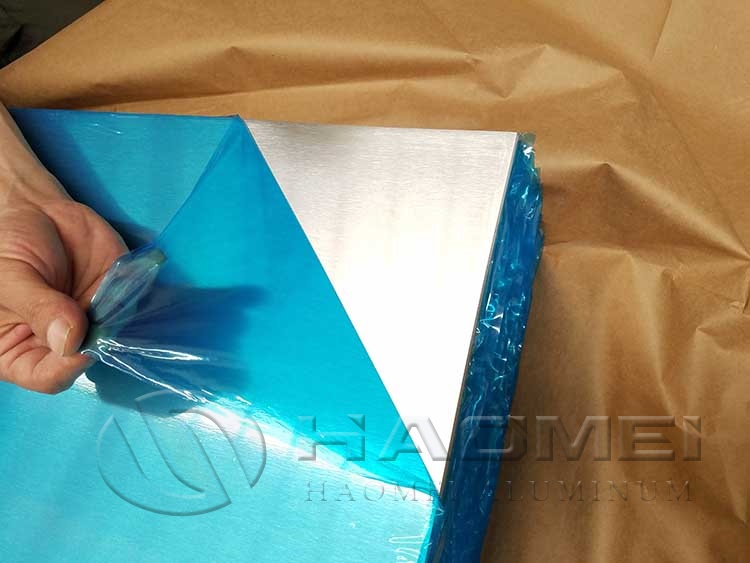
| Gift-box lids and decorative panels | Surface consistency | Protective film, flatness requirement, cut size | Specifying "bright" without an agreed surface sample |
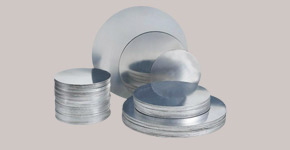
| Stamped circles for ornaments | Edge quality and forming | Circle diameter, burr limit, temper | Choosing hard temper for deep drawing |
| Packaging foil laminates | Gauge control | Thickness tolerance, coil ID, foil condition | Assuming sheet tolerances apply to foil |
| Seasonal signage and display parts | Bending and corrosion exposure | Temper, paint/coating compatibility, sheet size | Treating pure aluminum as a structural alloy |
A useful comparison point is that 1050 material is usually selected for formability, reflectivity, thermal conductivity, and corrosion resistance in non-structural uses. If the part must carry substantial load, resist fatigue, or meet a defined mechanical-strength target, evaluate a suitable Aluminum Alloy Sheet grade rather than relying on commercially pure aluminum.
Specify the Form, Temper, and Inspection Documents Before Peak Season
The fastest way to reduce holiday disruption is to convert the finished-part requirement into measurable purchase-line items. Ask production, quality, and logistics teams to approve the following list before releasing a purchase order.
Order specification checklist
- Product form: sheet, strip, coil, foil, or circle.
- Alloy designation: state 1050 and the governing standard, such as ASTM or EN requirements where applicable.
- Temper: specify the required temper, not only "soft" or "hard." Annealed tempers may be appropriate for demanding forming, but the correct choice depends on the process.
- Dimensions: thickness, width, length or circle diameter, and acceptable tolerances.
- Surface: mill finish, protective film, oiling condition, allowable scratches, dents, and coil-set limits.
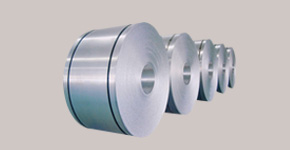
- Coil details: inside diameter, outside diameter, maximum coil weight, winding direction, and edge condition.
- Documentation: mill test certificate, packing list, and traceability by coil, pallet, or batch.
- Packaging: moisture barrier, corner protection, export pallet requirements, and labeling language.
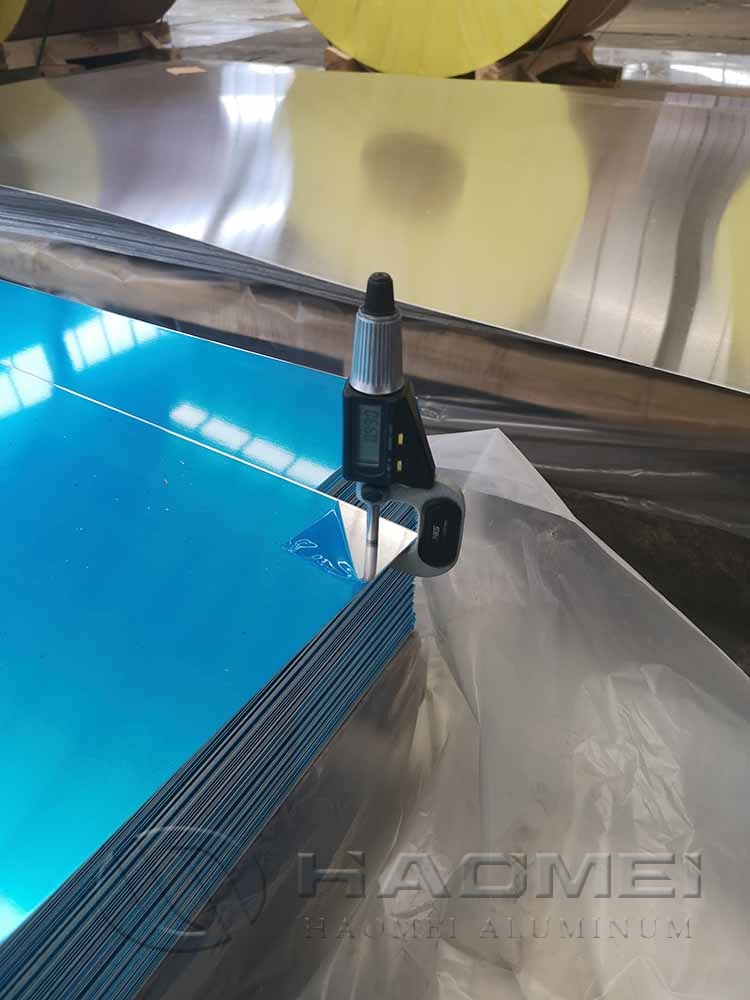
Thickness is especially important for seasonal converting operations. A nominal gauge does not by itself define what the line will receive. The order should identify the applicable tolerance standard and measurement method. For projects requiring several gauges, compare requirements against Different Thickness Aluminum Sheet -- Haomei options before finalizing nest layouts and tooling settings.
| Requirement to confirm | Why it protects holiday output | Evidence to request |
|---|---|---|
| Chemical composition | Confirms the ordered grade | Mill test certificate with heat or batch identification |
| Temper | Affects bending, stamping, and hardness | Certificate and incoming inspection plan |
| Thickness tolerance | Controls forming consistency and material yield | Applicable ASTM or EN tolerance reference |
| Surface condition | Reduces rejects on visible gift packaging | Approved sample or written acceptance criteria |
| Packaging method | Limits transit scratches and moisture damage | Packing specification and pallet photos before dispatch |
Build a Delivery Window That Accounts for Holiday Constraints
Do not schedule material arrival on the first day of production. Holiday logistics can be affected by port congestion, customs workload, regional factory shutdowns, and reduced carrier availability. The appropriate buffer depends on origin, destination, transport mode, stock availability, and whether slitting, cutting, filming, or circle blanking is required.
Use this planning sequence:
- Freeze dimensions and temper before tooling trials.
- Approve a representative sample when surface appearance or stamping performance is critical.
- Separate production lead time from transit time and customs clearance time.
- Schedule incoming inspection before the converting line is committed.
- Keep traceable reserve material for the highest-volume SKU rather than mixing unidentified remnants.
For food-related packaging, material compliance is not established merely by calling aluminum "food grade." The finished package may include coatings, inks, adhesives, and laminate layers that require separate compliance review under the regulations applicable in the destination market. For the United States, food-contact substances are regulated by the U.S. Food and Drug Administration under 21 CFR. For the European Union, framework requirements include Regulation (EC) No 1935/2004. Validate the complete packaging construction with the responsible compliance team.
A disciplined 1050 aluminum order should therefore state the product form, temper, dimensional tolerance, surface acceptance criteria, certificate requirement, and shipment window. That level of detail helps holiday packaging teams protect line uptime, control scrap, and receive material that matches the intended conversion process.
Original source: https://www.hm-alu.com/a/1050-aluminum.html
Tags:1050 Aluminum Aluminum Sheet Plate
Prev: Hairdressing Foil Roll Wholesale
Next: 1060 Aluminum Sheet