

1050 Aluminium Sheet
Lunar New Year 2027 begins on 6 February. For manufacturers using aluminium in electrical components, cookware, signage, reflectors, deep-drawn parts, and general fabrication, the primary holiday risk is not simply delayed freight. It is receiving material with unverified chemistry or unsuitable temper after production schedules have already tightened.
A practical holiday solution is to reserve 1050 grade material early and make the 99.5% minimum aluminium requirement a documented release condition. Under EN 573-3, aluminium alloy 1050 is specified with a minimum aluminium content of 99.50%. This high-purity composition supports strong formability, corrosion resistance, and electrical conductivity relative to many alloyed aluminium grades.
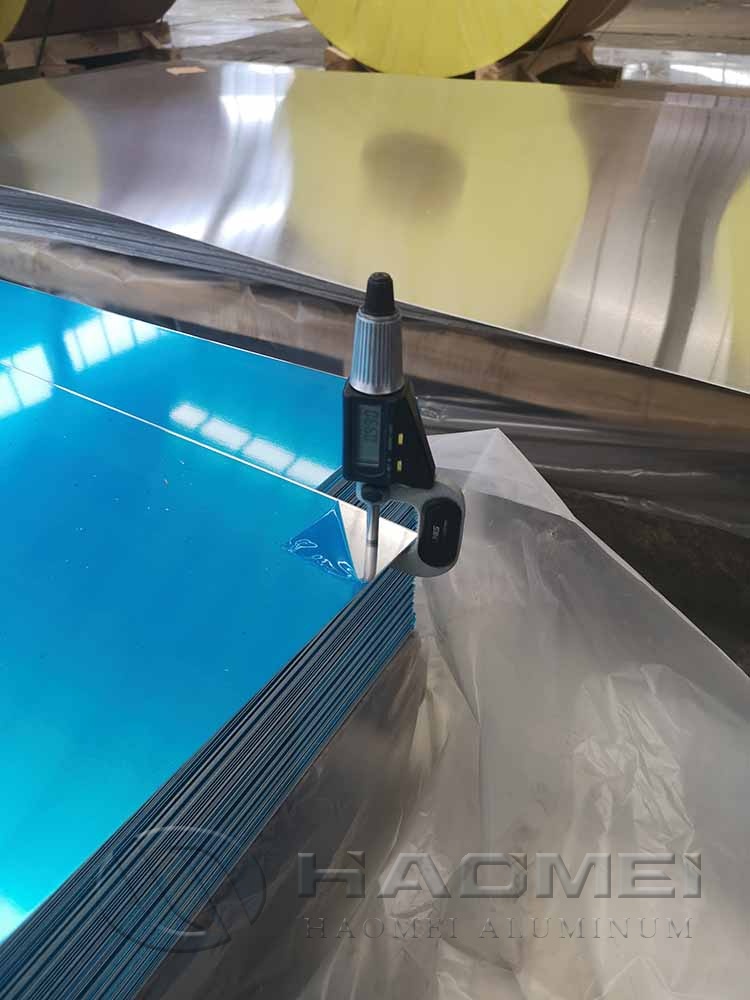
The alloy designation alone does not confirm thickness tolerance, surface condition, temper, or conductivity for a specific shipment. These must be stated in the order and verified in mill documentation. That detail protects production continuity when mills, converters, ports, and inland transport providers operate with reduced holiday capacity.
Make Verified Purity the Holiday Release Requirement
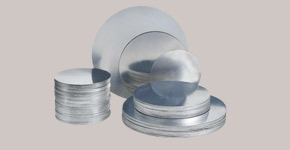
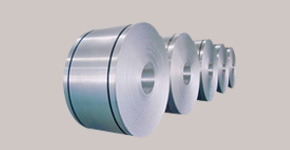
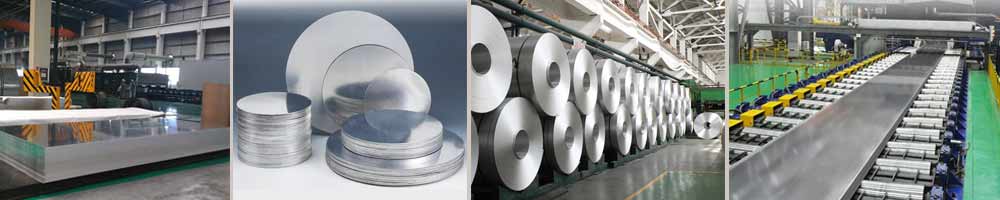
1050 aluminium is commonly selected when forming performance and high aluminium content matter more than structural strength. It is available in sheet, strip, coil, foil, and circle forms, subject to supplier production range and applicable standards.
Use this material when the part needs bending, stamping, spinning, or drawing without requiring the higher strength associated with 3xxx, 5xxx, or 6xxx series alloys. For applications requiring certified mechanical properties, agree the temper and relevant standard before production starts.
| Requirement | What to Specify | Why It Protects Holiday Production |
|---|---|---|
| Alloy identity | EN AW-1050A or the agreed 1050 designation | Prevents substitution with a different 1xxx composition |
| Aluminium content | Minimum 99.50%, with mill test certificate | Confirms the central material feature |
| Temper | For example, O, H14, H24, or agreed equivalent | Controls forming behavior and hardness |
| Product form | Sheet, slit strip, coil, foil, or circle | Avoids conversion delays after mills close |
| Dimensions | Thickness, width, length, ID, OD, and tolerance | Prevents line setup and tooling issues |
| Surface | Mill finish, protective film, oiling, or cleanliness level | Reduces rejection in appearance-sensitive fabrication |
For sheet and plate orders, EN 485 covers mechanical properties and dimensional tolerances for wrought aluminium products. ASTM B209 is also widely referenced for aluminium and aluminium-alloy sheet and plate in markets using ASTM specifications. The purchase order should name the required edition or contract specification rather than relying on a general statement such as standard quality.
For projects requiring a wider comparison across forms and grades, Aluminum Sheet Plate options can help purchasing teams separate high-purity 1xxx requirements from higher-strength alloy applications.
Order Before Closures: A Practical Release Sequence
Holiday planning works best when the material release sequence starts before the usual congestion period. Lunar New Year closures vary by mill, region, logistics provider, and processing plant, so do not assume one universal shutdown window.
Use this sequence for each production order:
Freeze the technical specification. State 1050 grade, temper, thickness, width, length or coil dimensions, surface condition, and applicable standard.
Request a pre-production confirmation. Confirm whether the order will be supplied from available stock, rolling schedule, or slitting schedule. Do not treat stock wording as a guaranteed allocation without written confirmation.
Approve inspection criteria. Define sampling, thickness measurement points, edge condition, flatness needs, packaging requirements, and certificate format.
Reserve downstream processing. If slitting, cut-to-length, lamination, or circle blanking is needed, include it in the order rather than planning it after holiday closure dates.
Confirm dispatch readiness. Verify packing list, commercial invoice, certificate of analysis or mill test certificate, labels, and export packing before cargo handover.
A frequent production issue is ordering a coil with the correct alloy but an unspecified temper. Annealed O temper and strain-hardened H tempers can behave very differently during deep drawing and bending. For example, a fabricated component that needs extensive forming may require annealed material, while a flatter, harder condition may better suit another process. The required temper should come from the forming trial, engineering drawing, or established production record, not from an assumption based on alloy number.
Documents and Packaging That Reduce Receiving Delays
A holiday-ready 1050 aluminium order needs physical protection and traceable documentation. This is especially important for coils and thin-gauge products, where edge damage, moisture, telescoping, and handling marks can disrupt processing.
Request the following release package:
Mill test certificate showing alloy chemistry and ordered temper.
Coil, pallet, or bundle labels that match the packing list.
Actual thickness, width, and length or weight details.
Protective packaging suitable for the transport route and storage environment.
Moisture barrier protection where sea freight or humid storage is expected.
Clear instructions for vertical or horizontal coil handling, where applicable.
Photos of finished packaging before dispatch when this is part of the agreed inspection plan.
The high-purity feature should remain the first verification point. Do not use electrical conductivity as a substitute for chemical certification unless the contract states a test method, test condition, and acceptance value. Conductivity can be influenced by temper and impurities, while the alloy designation itself is principally a composition classification.
For teams that need a defined thickness range before scheduling forming equipment, Different Thickness Aluminum Sheet -- Haomei can be considered alongside the required tolerance and finishing specification.
Before Lunar New Year capacity tightens, issue a release checklist that confirms 99.5% minimum aluminium content, form, temper, dimensions, standards, inspection records, and packaging. This turns 1050 aluminium from a general material purchase into a controlled holiday solution for uninterrupted fabrication.
Original source: https://www.hm-alu.com/a/1050-aluminium-sheet.html
Tags:1050 Aluminium Sheet 1050 Aluminum Coil
Prev: 1060 Alloy