

Which One to Choose: 1050 or 3003 Aluminum Circle for Cookware
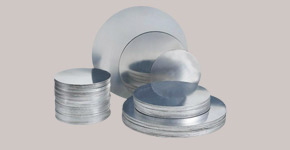
In the kitchenware manufacturing industry, aluminum discs are the core material for cookware, baking pans, inner pots, and food containers. Among them, 1050 pure aluminum discs and 3003 aluminum-manganese alloy discs are the two most mainstream choices on the market. Many manufacturers and buyers struggle with the choice: what are the differences between the two? In what scenarios is 1050 more cost-effective, and in what situations must 3003 be chosen?
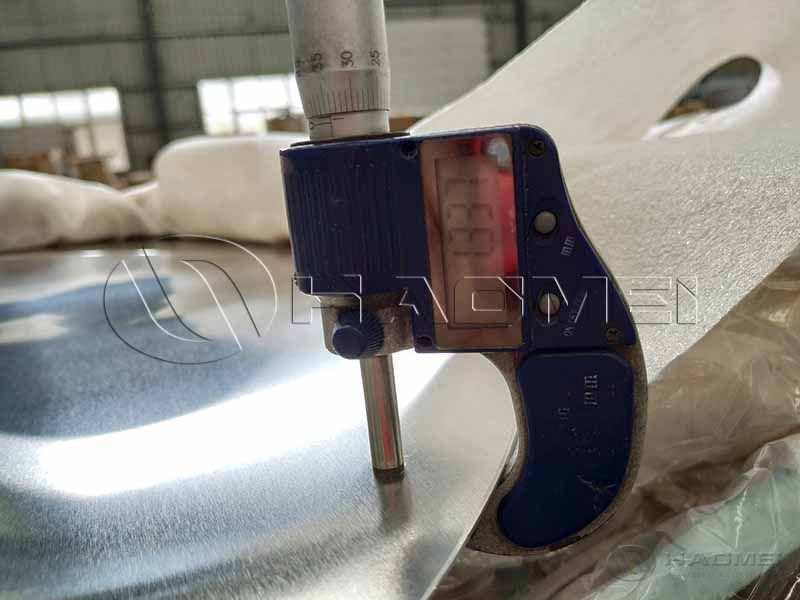
1050 vs 3003 aluminum disc circles
1050 aluminum disc belongs to the 1-series pure aluminum, with an aluminum content of over 99.5%, containing almost no other alloying elements. It is the "basic" material for kitchenware.
- Core Advantages: Fast and even heat conduction, preventing burnt bottoms; extremely high ductility, easy to stamp and stretch, making thin products easier to process; high food contact safety, resistant to everyday kitchen acid and alkali corrosion; lightweight material, resulting in a comfortable grip; lower raw material cost, offering excellent cost-effectiveness.
- Inherent weaknesses: Lower hardness and average strength; weak impact and deformation resistance; prone to dents and deformation under prolonged high temperature and heavy pressure or frequent impacts; unsuitable for excessive pressure and long-term heavy loads.
3003 aluminum circle belongs to the 3-series aluminum-manganese alloy, with 1.0%-1.5% added manganese, making it a "reinforced and upgraded version" of pure aluminum.
- Core advantages: Strength is more than 20% higher than 1050; higher hardness; more resistant to deformation and impacts; less prone to dents after prolonged use; stronger toughness and structural stability; resistant to high temperatures, steam, and repeated temperature changes; further optimized corrosion resistance, suitable for humid and high-pressure kitchen environments; excellent formability, balancing machinability and durability.
- Inherent weaknesses: Higher alloy raw material cost than 1050, resulting in a higher overall procurement budget; slightly inferior thermal conductivity compared to pure aluminum 1050 (the difference is minor and does not affect normal use).
When to choose 1050 round aluminum sheet?
1050 aluminum round blank is better suited for light-load, lightweight, and low-cost cookware, focusing on everyday convenience without high-pressure requirements.
- Thin and light tableware/baking pans: Disposable food container, aluminum plates, shallow baking pans, thin frying pans, baking molds, etc., emphasizing portability and heat conduction, without the need for high-pressure loads.
- Ordinary household lightweight cookware: Small saucepans, instant noodle pots, single-layer thin saucepans, frying pans, etc., for everyday slow cooking over low heat and with light oil, without high pressure or heavy impact scenarios.
- Cost-sensitive orders: Large-volume, affordable cookware, export-oriented products, disposable cookware, strictly controlling raw material costs while meeting food-grade and basic usage requirements.
- Thermally conductive composite layer substrate: The middle heat-conducting layer of multi-layer composite cookware, utilizing the high thermal conductivity of 1050 circle to improve the overall heat distribution evenness of the cookware.
Scenarios where 3003 aluminum foil is essential
3003 aluminum discs are better suited for cookware requiring high strength, durability, and high pressure environments. It prioritizes long-term use, robustness, and high load-bearing capacity.
- High-pressure/heavy-duty cookware: Pressure cooker inner pots, rice cooker inner pots, electric saucepan inner walls, steamer bases, etc., which withstand long-term steam pressure and high-temperature cycling, requiring stronger structural strength.
- Thick and durable cookware: Commercial woks, deep saucepans, large-capacity saucepans, canteen cookware, etc., which are frequently used, subjected to high-temperature stir-frying, and heavy-load handling, requiring extremely high resistance to deformation.
- High-quality cookware for long-term use: Mid-to-high-end household cookware, non-stick inner pots, built-in kitchen appliance accessories, prioritizing lifespan and quality, rejecting short-term dents and deformations.
- Cookware for humid/corrosive environments: Seafood pots, braising pots, dishwasher-safe tableware, etc., requiring higher resistance to acids, alkalis, and moisture corrosion.
Original source: https://www.hm-alu.com/a/which-one-to-choose-1050-or-3003-aluminum-circle-for-cookware.html