

1100 Aluminum
Potential users recently have been asking very practical questions about 1100 aluminum. Most of them are not looking for textbook chemistry. They want to know whether this alloy is easy to form, whether it can be welded, how it compares with 1050 or 3003, and what matters before placing an order. For applications involving deep drawing, cookware parts, lighting, nameplates, chemical equipment, and reflective surfaces, 1100 aluminum remains one of the most discussed commercial grades.
1. What is 1100 aluminum, and what is it best used for?
1100 aluminum is a commercially pure aluminum alloy with very high aluminum content, usually above 99 percent. Its biggest strengths are excellent corrosion resistance, strong thermal and electrical conductivity, and very good formability. This makes it a preferred material for parts that need bending, spinning, stamping, or deep drawing without demanding high structural strength.
In real purchasing conversations, 1100 aluminum is often selected for kitchenware components, bottle caps, lamp parts, signage, heat exchanger fins, transformer strips, chemical storage accessories, and decorative surfaces. If your project values easy processing and a clean surface more than load-bearing strength, 1100 is often a smart starting point.
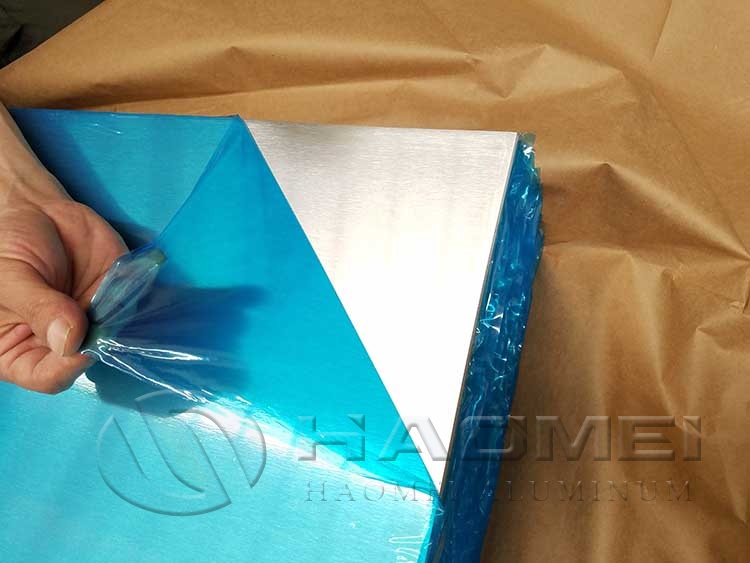
For flat-rolled products, many users compare it with Aluminum Sheet Plate options in other alloys. The difference is simple: 1100 is softer and easier to shape, while stronger alloys are better when mechanical performance matters more than ductility.
2. Is 1100 aluminum stronger or weaker than 3003 aluminum?
This is one of the most common questions in recent searches. The short answer is that 1100 aluminum is weaker than 3003 aluminum in strength, but it is usually better in purity, conductivity, and formability.
3003 contains manganese, so it offers higher strength and is often chosen for general fabrication, roofing, cladding, and some cooking equipment. 1100, by contrast, is favored when the material must be shaped more aggressively or when conductivity and corrosion resistance are priorities.
Here is a practical comparison:
| Property | 1100 Aluminum | 3003 Aluminum |
|---|---|---|
| Main feature | High purity, easy forming | Better strength, good forming |
| Corrosion resistance | Excellent | Very good |
| Electrical conductivity | Higher | Lower than 1100 |
| Weldability | Good | Good |
| Deep drawing performance | Excellent | Good |
| Typical uses | Nameplates, utensils, reflectors, chemical parts | Panels, cookware, tanks, roofing |
If you are ordering material for spinning, stamping, or decorative anodized parts, 1100 is often easier to work with. If the part needs a better balance between forming and strength, 3003 may be the more economical choice over the whole production cycle.
3. Can 1100 aluminum be welded easily?
Yes, 1100 aluminum is generally considered easy to weld compared with many heat-treatable aluminum alloys. This is another topic that has appeared frequently in recent Q and A discussions because small fabricators often want to know whether they can use standard TIG or MIG methods without cracking problems.
1100 has good weldability, especially with proper filler selection and clean surface preparation. The material should be free from oil, oxide, and moisture before welding. Because it is a soft alloy, heat input control matters. Excessive heat can increase distortion, especially in thin gauges.
For fabrication planning, users should remember that welded zones can be softer and may deform more easily during later handling. If appearance quality is important, trial welding on the actual thickness is a better step than relying only on general data sheets.
When projects involve custom thickness and forming, many procurement teams also review Different Thickness Aluminum Sheet -- Haomei options to match welding behavior with end-use geometry.
4. What does H14, H18, or O temper mean for 1100 aluminum?
This question has become especially popular because many first-time purchasers discover that alloy alone is not enough. Temper has a major effect on hardness, bendability, and stamping performance.
For 1100 aluminum, the most discussed tempers include O, H14, and H18.
| Temper | Meaning | Practical effect |
|---|---|---|
| O | Annealed | Softest, best for deep drawing and complex forming |
| H14 | Strain hardened, half hard | Balanced formability and moderate rigidity |
| H18 | Full hard | Higher hardness, less suitable for severe forming |
If a part needs deep drawing, spinning, or heavy bending, O temper is usually preferred. If the part needs to stay flatter during handling or provide a little more stiffness for panels or tags, H14 can be more suitable. H18 is more common when the application needs hardness and surface stability rather than aggressive forming.
A common mistake is choosing a hard temper for a part with tight bending radii. That can lead to cracking, scrap, and higher unit cost even if the raw material price looked attractive at first.
5. How much does 1100 aluminum cost, and what affects the price?
This is one of the hottest commercial questions because users do not just want a number. They want to know why quotations vary so much between suppliers.
The price of 1100 aluminum depends on several factors:
| Price Factor | Why it matters |
|---|---|
| Aluminum ingot market | Base metal fluctuations directly affect quotations |
| Temper | O, H14, and H18 may involve different processing costs |
| Thickness and width | Thin gauge and special widths can increase production difficulty |
| Surface quality | Higher cosmetic requirements raise inspection and finishing cost |
| Order quantity | Larger volume often reduces conversion cost per ton |
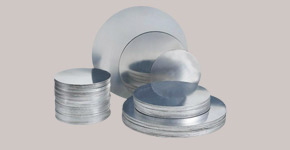
| Packaging | Export-safe packaging and discs circle packing add cost |
| Processing route | Slitting, cut-to-size, circle blanking, or embossing affect final price |
For new purchasers, the best way to compare offers is to request the same specification from each supplier: alloy, temper, thickness, width, finish, tolerance, quantity, and intended use. A quote without these details is not very useful because even small changes in thickness tolerance or surface standard can shift the price noticeably.
What should you check before ordering 1100 aluminum?
The most useful recent discussions are not only about alloy data. They are about avoiding mismatches between material and application. Before ordering, confirm these points with the supplier:
Temper required for forming or stiffness.
Thickness tolerance needed for stamping or lamination.
Surface finish needed for anodizing, printing, or reflection.
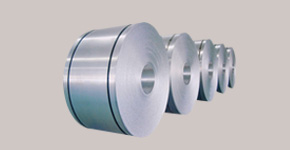
Coil ID, OD, or cut size for your machine setup.
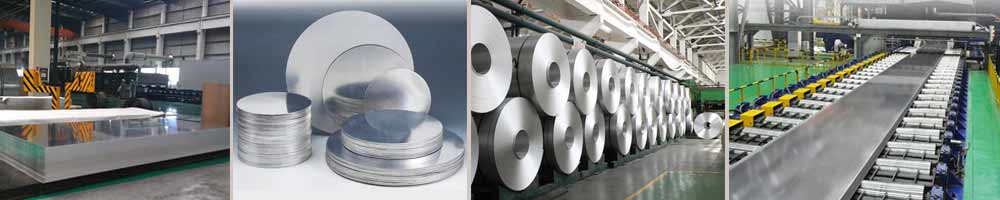
Whether you need sheet, coil, foil, strip, or discs circle format.
End use, such as cookware, electrical, decorative, or chemical service.
This matters because 1100 aluminum performs very well when matched correctly to the process. Many issues reported online, such as cracking, waviness, or surface marks, come from incomplete specification rather than from the alloy itself.
For new procurement teams, 1100 aluminum is usually a reliable choice when the job requires purity, corrosion resistance, conductivity, and easy forming. The better your specification, the easier it is to receive material that runs smoothly in production.
Original source: https://www.hm-alu.com/a/1100-aluminum.html
Tags:1100 Aluminum 1100 aluminum properties 1100 aluminum price 1100 aluminum temper 1100 aluminum welding
Prev: Aluminium Strip For Transformer Winding
Next: Aluminum Circle Blanks