

Aluminium Strip For Transformer Winding
Transformer manufacturers choose winding material for one reason first: stable electrical performance. For aluminium conductors, the top concern is usually conductivity consistency under tight dimensional tolerances. If width, edge condition, burr level, temper, or resistivity drifts, winding efficiency, insulation reliability, and coil yield can all suffer.
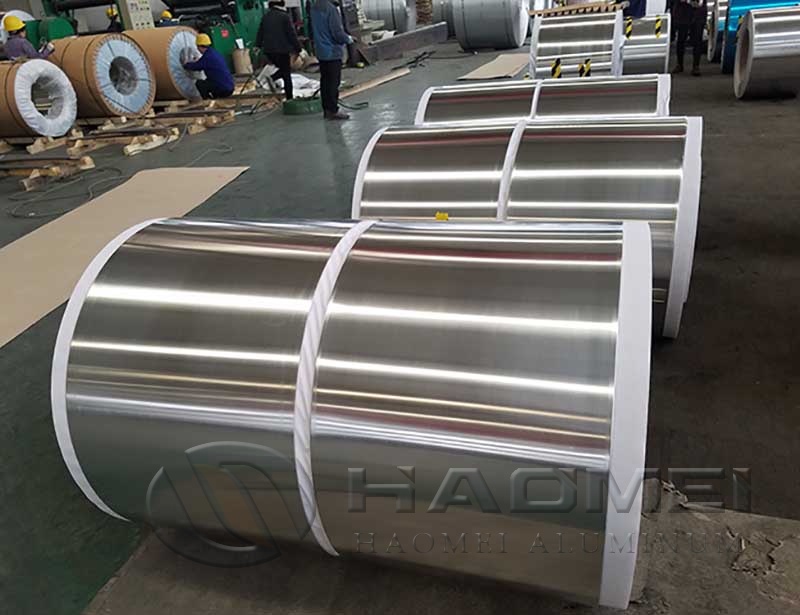
This article focuses on how to specify and inspect aluminium strip used in transformers, reactors, and related electrical equipment, with attention to standards, test items, and practical sourcing checkpoints.
What makes transformer winding strip different
Not every rolled strip is suitable for electrical winding. Material for transformers is generally produced from high-purity aluminium grades with controlled temper and surface quality so it can be wound without cracking, while keeping low electrical resistance.
In practice, the most common grades are 1050, 1060, 1070, and 1350, depending on local specification and end-use design. Among them, 1350 aluminium is widely recognized in electrical applications because of its high conductivity. Internationally, alloy designation and chemical composition are commonly referenced against standards such as ASTM B209/B209M for aluminium and aluminium-alloy sheet and plate, and EN 573 and EN 485 series for composition and wrought product tolerances and properties in Europe. For electrical conductivity determination, producers often use methods aligned with IACS values and resistivity testing.
Typical supply condition includes:
Soft temper for winding, often O temper
Smooth, clean surface without oil accumulation
Rounded or deburred edges
Tight thickness and width control
Uniform coil winding tension
If you are comparing Aluminium Strips from different mills, ask whether the product is specifically produced for electrical winding rather than general stamping or decorative use.
Core properties and recommended checks
The following table summarizes the main technical points that affect transformer performance and manufacturing yield.
| Item | Why it matters | Typical check method | Procurement note |
|---|---|---|---|
| Electrical conductivity | Lower resistance reduces losses | Conductivity meter or resistivity test, often referenced to IACS | Confirm minimum conductivity requirement on contract |
| Thickness tolerance | Affects turns count and packing factor | Micrometer across strip width and along coil length | Ask for tolerance table and actual inspection record |
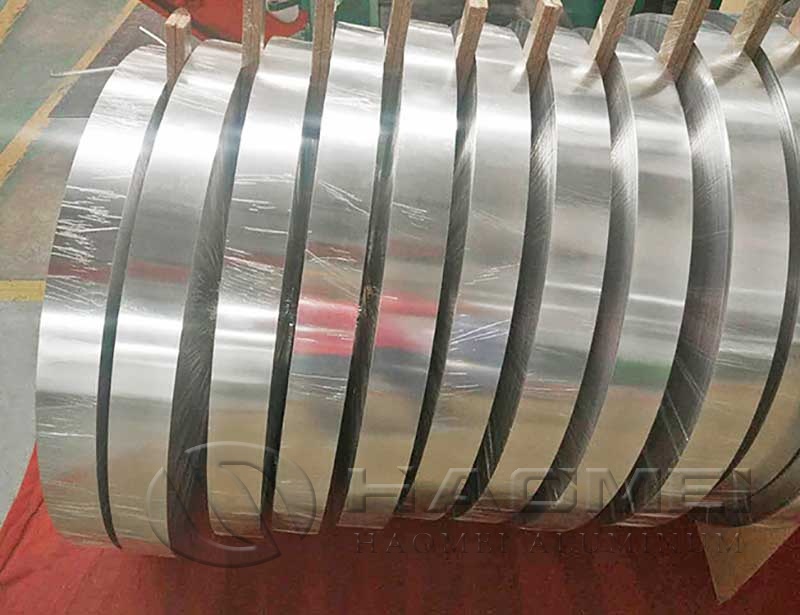
| Width tolerance | Influences winding fit and insulation spacing | Vernier or automatic width gauge | Tight width control is important for automatic winding |
| Edge quality | Burrs may damage insulation paper or enamel systems | Visual check, burr measurement if specified | Request slit edge condition in writing |
| Mechanical properties | Too hard may crack; too soft may deform | Tensile test, elongation | Match temper to winding radius and machine settings |
| Surface cleanliness | Oil, dust, marks can affect insulation process | Visual inspection and wipe test | Specify dry, clean, stain-free surface |
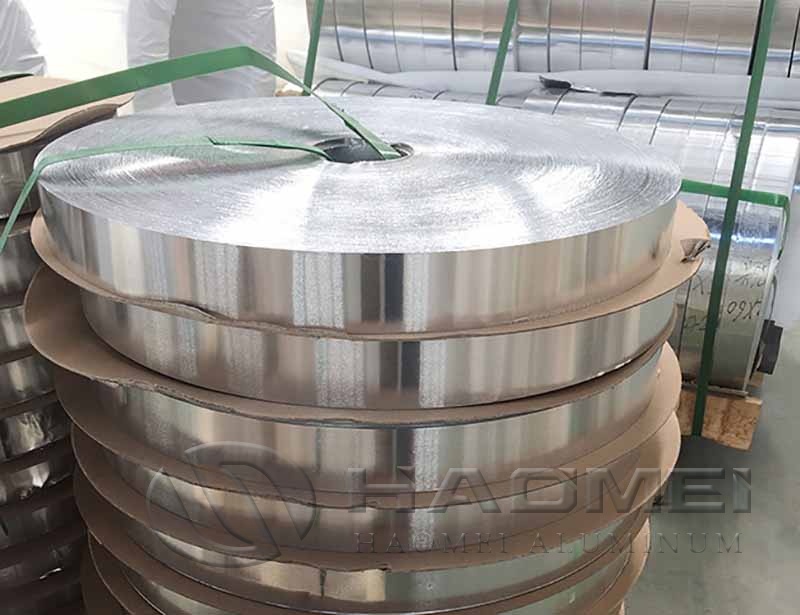
| Coil build quality | Poor winding causes feeding issues | Visual inspection of coil face and telescoping | Require neat winding and transport protection |
A practical conductivity benchmark often cited for electrical aluminium is around 61% IACS or higher for EC grade 1350, depending on temper and product condition. Always verify the exact requirement against your transformer design and local technical standard.
Common standards and certificates to request
Use a checklist instead of relying on generic mill claims:
Alloy and temper designation
Chemical composition report
Mechanical property report
Conductivity or resistivity report
Dimensional inspection record
Coil ID, OD, and net weight details
Surface and edge condition confirmation
Applicable standard, such as ASTM, EN, or customer drawing
RoHS or REACH statement if required by your market
Packing specification for export and moisture protection
For many users, the best approach is to approve a pre-production sample coil before releasing full volume.
Alloy comparison for winding applications
The right grade depends on whether conductivity, cost, or forming margin matters most.
| Alloy | Typical use profile | Advantages | Watchpoints |
|---|---|---|---|
| 1050 | General electrical and industrial strip | Good formability, broad availability | Conductivity may be lower than 1350 electrical grade |
| 1060 | Transformer and electrical conductor use | High aluminium content, good ductility | Confirm exact conductivity, not just chemistry |
| 1070 | High-purity electrical applications | Better conductivity than many commercial grades | Availability may vary by market |
| 1350 | Electrical conductor standard grade | Strong industry recognition for conductivity | Confirm standard compliance and temper |
When price is the main concern, 1050 or 1060 may be offered more often. When electrical loss control is more critical, 1350 is usually the safer technical choice. Ask suppliers to compare not only quotation level, but also DC resistance and actual test results.
You can also compare base product capability through suppliers of Aluminum Strips, but the final order should still specify electrical-grade requirements clearly.
Inspection steps before shipment
Use this short acceptance routine:
Verify alloy, temper, and standard on mill certificate
Check 3 to 5 points for thickness across each sample coil
Measure width at head, middle, and tail
Inspect both edges for burr, wave, and knife marks
Confirm no oxidation, indentation, or black spots
Review conductivity data by coil or by lot, depending on agreement
Check coil tightness, telescoping, and packaging integrity
Confirm pallet and moisture barrier suitability for sea shipment
This process reduces common disputes, especially when coils are slit from larger stock and then exported over long transit times.
Pricing factors and sourcing advice
Transformer strip prices usually move with:
LME aluminium price or local ingot benchmark
Alloy purity and electrical-grade processing
Thickness and width tolerance tightness
Slitting quality and edge treatment
Coil size customization
Test documentation requirements
Export packing standard
A lower offer is not always lower total cost. Material with poor edge control can increase insulation damage, machine stoppage, scrap rate, and rewinding time. For that reason, many transformer plants evaluate suppliers on three items first: conductivity report, dimensional stability, and edge quality.
For RFQ preparation, include these exact items:
| RFQ item | Example |
|---|---|
| Alloy | 1060 or 1350 |
| Temper | O |
| Thickness × width | 0.8 mm × 100 mm |
| Edge | Deburred slit edge |
| Coil ID | 300 mm or 400 mm |
| Coil weight | As required by winding line |
| Standard | ASTM B209, EN standard, or drawing |
| Test items | Conductivity, tensile, dimensions, surface |
| Packing | Export seaworthy, moisture-proof |
Well-specified aluminium winding strip helps reduce transformer loss variation, winding defects, and incoming inspection disputes. For most electrical applications, the safest purchasing method is simple: define alloy and temper clearly, demand conductivity and dimensional records, and inspect edge quality before shipment.
Original source: https://www.hm-alu.com/a/aluminium-strip-for-transformer-winding.html
Tags:Aluminium Strip for Transformer Winding transformer winding aluminum strip electrical grade aluminium strip
Prev: Round Aluminum Sheet
Next: 1100 Aluminum