

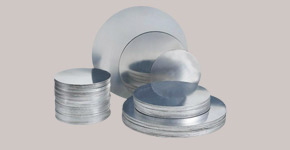
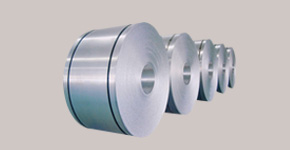
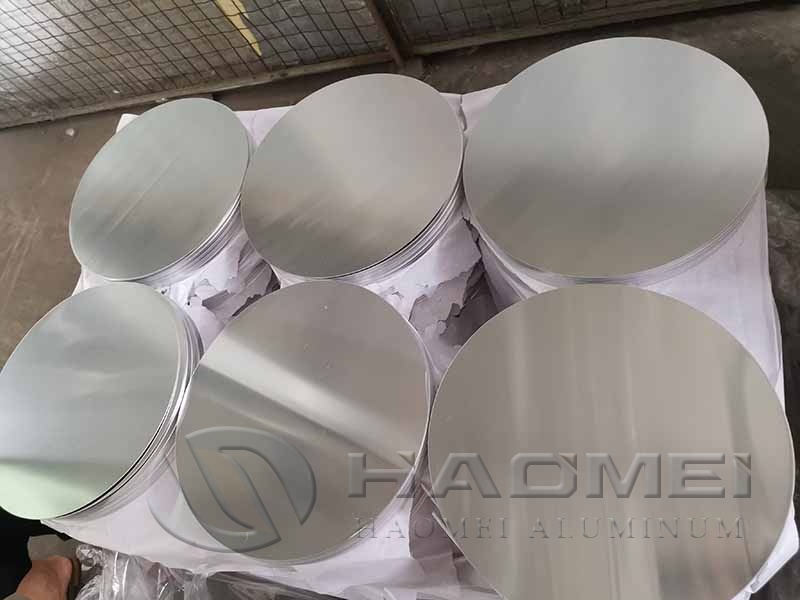
Aluminum Circle Disc
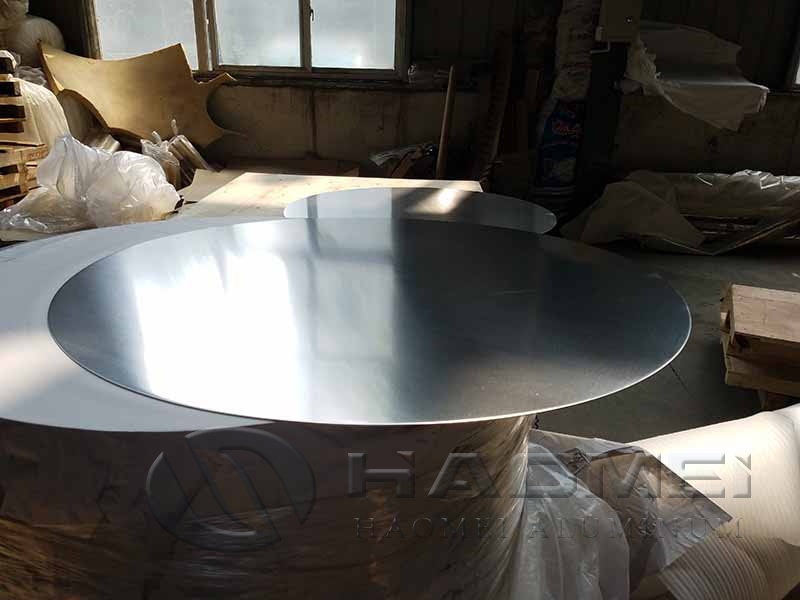
For cookware, bakeware, small appliance, and promotional kitchenware programs, the main holiday risk is not only price. It is scrap during peak production. A pan body, pot lid, pressure cooker part, or non-stick fry pan starts with a round blank. If the blank is inconsistent in diameter, thickness, surface, or edge condition, holiday output can fall just when factories need stable daily yield.
As of June 30, 2026, Q4 planning is already active. Diwali falls in November 2026 in many markets, U.S. Thanksgiving is November 26, Black Friday is November 27, and Christmas is December 25. For retail cookware sets and seasonal gift packs, July and August are practical months to lock specifications, packaging, inspection rules, and shipment plans.
Holiday demand
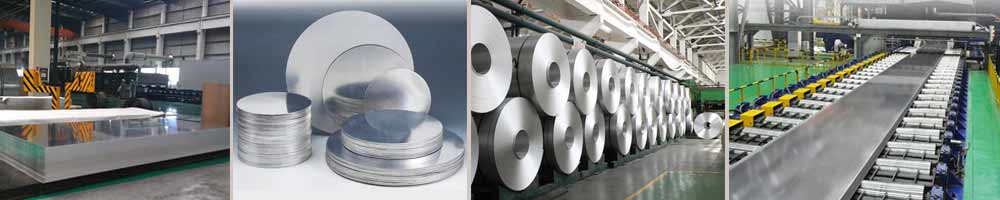
Holiday cookware demand compresses decisions. Factories must run more drawing, spinning, anodizing, coating, and packing in fewer weeks. Using pre-cut round aluminum blanks can move part of the cutting burden away from the cookware line and reduce in-house stamping waste.
The strongest value of an aluminum circle disc in holiday production is scrap control. The math is simple and verifiable. When equal circles are cut from square layouts, the theoretical area use is pi/4, or about 78.54%. With optimized hexagonal nesting, the theoretical maximum packing density is pi/(2 x sqrt(3)), or about 90.69%. Real production is lower after trim allowance, coil edge loss, burr control, and handling damage.
When a supplier delivers finished circles instead of coil for in-house blanking, the cookware plant can focus on forming, surface treatment, and packing. Plants comparing coil, sheet, and circle input can review Aluminum Circle options for diameter, alloy, temper, and surface requirements.
| Holiday production problem | Circle blank solution | What to verify before ordering |
|---|---|---|
| Press capacity is reserved for forming | Pre-cut rounds reduce blanking workload | Diameter tolerance, burr height, batch traceability |
| Scrap rises when temporary labor is used | Consistent blanks simplify handling | Edge smoothness and pallet protection |
| Coating defects appear after forming | Clean surface supports pre-treatment | Oil level, stain control, surface scratches |
| Urgent reorders need repeatability | Same alloy and temper support stable forming | Chemical composition certificate and temper standard |
Specification checklist
Use this checklist before issuing purchase orders for holiday cookware blanks. It prevents vague RFQs and reduces back-and-forth during high season.
| Item | Required decision | Why it matters |
|---|---|---|
| Alloy | Common cookware choices include 1050, 1060, 1070, 1100, 3003, and 5052, depending on the product | Drawability, strength, corrosion resistance, and cost differ by alloy |
| Temper | O, H12, H14, or other confirmed temper | Deep drawing normally needs softer material than flat lids or shallow parts |
| Thickness | State nominal thickness and tolerance | Wall thinning after drawing depends on starting gauge |
| Diameter | State finished blank size, not only pan size | Tooling, draw ratio, and trimming allowance depend on exact blank diameter |
| Edge | Request clean edge, low burr, and no severe rollover | Burrs can scratch coatings, damage tooling, and injure operators |
| Surface | Mill finish, coated-ready, anodizing-ready, or polished-ready | Surface defects become more visible after coating or anodizing |
| Packing | Wooden pallet, moisture barrier, paper interleaving if needed | Ocean freight and warehouse humidity can cause stains |
For repeat cookware programs, keep one approved drawing file for every blank size. A 160 mm lid blank and a 160 mm deep-drawn pot blank may not share the same tolerance needs. If the product is deep drawn, ask for a forming trial sample before holiday production approval.
Compliance checkpoint
Food-contact cookware is regulated by market. The aluminum blank is only one part of compliance; coating, anodizing, cleaning, inks, adhesives, and packaging may also be covered. Do not treat a material certificate as a finished-product compliance certificate.
| Market or standard area | Authority reference to check | Practical action |
|---|---|---|
| European Union food contact | Regulation (EC) No 1935/2004 and GMP Regulation (EC) No 2023/2006 | Confirm traceability and manufacturing practice for materials intended to contact food |
| Coatings used on cookware | Relevant national and EU food-contact rules; for U.S. coatings, FDA 21 CFR sections may apply depending on resin system | Confirm coating supplier declarations separately from aluminum blank documents |
| Aluminum sheet input | ASTM B209 or EN 485/EN 573 may be referenced, depending on contract and region | State the required standard on the order and inspection plan |
| Chemical restrictions | REACH in the EU and RoHS where electrical or appliance rules apply | Request declarations only when the finished product category requires them |
| Packaging wood | ISPM 15 for international wood packaging | Confirm fumigation or heat-treatment marks on wooden pallets |
Reliable suppliers should provide mill test certificates showing alloy, temper, chemical composition, thickness, and batch traceability. For large-volume seasonal programs, retain counter samples from the approved batch and compare them with arrival inspection samples.
Cost control
Aluminum pricing should be handled transparently. The London Metal Exchange publishes official aluminum prices in U.S. dollars per metric tonne, and many contracts use LME references plus conversion charges. A complete offer should separate metal value, processing fee, packaging, inland freight, ocean freight if included, and payment terms.
Do not compare circle price against coil price without adding internal blanking cost and scrap. Use this working model:
| Cost element | Coil route | Pre-cut circle route |
|---|---|---|
| Metal price | Included | Included |
| Blanking labor | Factory bears it | Supplier bears it |
| Blanking tool wear | Factory bears it | Supplier bears it |
| Skeleton scrap handling | Factory bears it | Reduced at factory |
| Press time before forming | Higher | Lower |
| Packaging for round blanks | Not applicable | Supplier must protect edges and surfaces |
A fair comparison uses net usable parts, not only price per metric tonne. If a plant receives 10 tonnes of coil but loses material in blanking and edge trim, the cost per usable pan body blank may be higher than expected. Pre-cut circles make the usable-piece count easier to forecast.
Shipping calendar
Holiday programs should work backward from the warehouse arrival date. Do not wait for retail promotion artwork before approving raw material. Circle specifications can be approved separately from cartons, labels, and gift packaging.
| Week target | Action | Document to finish |
|---|---|---|
| Late June to mid-July | Confirm alloy, temper, thickness, and diameter | Technical specification sheet |
| Mid-July to early August | Approve samples and edge quality | Sample approval report |
| August | Release production quantity | Purchase order and inspection plan |
| September | Arrange shipment and customs documents | Packing list, invoice, certificate of origin if required |
| October | Complete forming, coating, and assembly buffer | Incoming inspection and production records |
| November to December | Support holiday replenishment or replacement demand | Batch traceability file |
For programs that need multiple diameters, group sizes by alloy and thickness. This helps reduce changeover time and keeps pallets organized by production sequence.
Offer fit
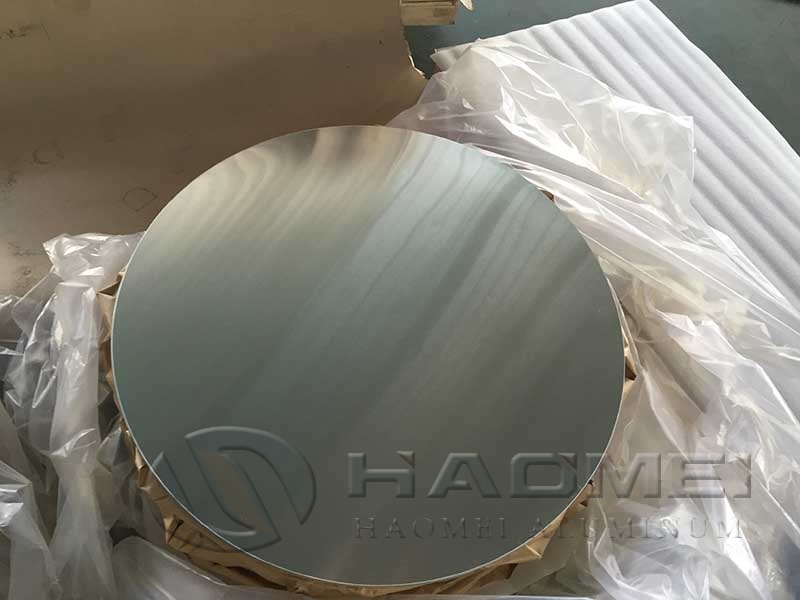
A strong offer for Aluminum Circles should be easy to audit. Ask suppliers to state the following points in one quotation table:
| Offer item | Minimum detail to request |
|---|---|
| Product | Aluminum round blank for cookware, lid, appliance part, or lighting part |
| Alloy and temper | Example format: 3003 O, 1050 O, or contract-specific grade |
| Size range | Thickness, diameter, and tolerance |
| Surface | Mill finish, degreased, coated-ready, or anodizing-ready |
| Edge condition | Burr limit or visual acceptance rule |
| Documents | Mill test certificate, packing list, commercial invoice, compliance declarations where applicable |
| Packing | Pallet weight, moisture protection, stacking method, and label format |
| Price basis | LME reference method, conversion charge, Incoterms 2020 term, currency, validity period |
Before releasing seasonal quantity, run a small production verification: measure 20 blanks from different stacks, inspect both sides under consistent light, check burr by touch and gauge where required, then form at normal press speed. Record crack rate, earing behavior, coating appearance, and finished part weight. This gives the production team evidence before the holiday schedule becomes crowded.
Original source: https://www.hm-alu.com/a/aluminum-circle-disc.html
Tags:Aluminum Circle Disc cookware aluminum circles deep drawing aluminum blanks holiday cookware production
Prev: Aluminium Disc Price
Next: Black Trim Coil