

Aluminum Trim Coil 24 X 50
Aluminum trim coil 24 x 50 is a popular size for wrapping fascia, window casing, rake boards, porch posts, and other exterior wood trim. A 24-inch width provides enough material for many common profiles while remaining manageable for bending with a brake. The 50-foot length is also practical for residential projects because it can cover multiple areas with fewer joints.
The questions below reflect common English-language Q&A topics currently discussed by homeowners, installers, and renovation professionals.
1. Is 24 x 50 aluminum trim coil large enough for fascia and window trim?
Usually, yes. The "24 x 50" designation means the material is 24 inches wide and 50 feet long before it is formed. Whether it is sufficient depends on the finished profile, not only the face width of the wood being covered.
For example, a 1 x 6 fascia board has an actual face near 5.5 inches. Once the material is bent around the face, lower edge, upper edge, and return folds, the required width may reach 8 to 11 inches. A 24-inch roll gives substantial room for forming more complex shapes, including wide fascia with wrapped returns.
For window trim, measure the full developed width. This includes the visible face, side legs, folds behind the board, and any hemmed edge. Do not assume that a 10-inch board requires only 10 inches of metal.
| Typical application | Approximate developed width needed | Is 24-inch width practical? |
|---|---|---|
| 1 x 4 window casing | 6 to 8 inches | Yes, with material left for multiple pieces |
| 1 x 6 fascia | 8 to 11 inches | Yes |
| 1 x 8 fascia with returns | 11 to 15 inches | Yes |
| Wide porch beam wrap | 16 to 24 inches or more | Measure carefully before ordering |
A 50-foot roll is especially useful when trim runs are long. Continuous wraps look cleaner than short pieces joined together, provided the profile can be formed and installed without scratching the finish.
2. What thickness should I choose for a 24 in. x 50 ft aluminum trim coil?
For most exterior trim work, thickness matters as much as color. Material that is too light can show waviness over uneven wood, dent more easily, and feel less stable during brake forming. Material that is too heavy may be harder to shape on smaller equipment.
Many residential trim products are around 0.019 inch thick, sometimes described as .019 aluminum. This is a common balance of formability and exterior durability for fascia, soffit edges, window wraps, and rake trim. Heavier options can be preferred for exposed locations, deep bends, large flat faces, or areas where accidental impacts are likely.
A useful rule is to match the material to the substrate condition. If existing wood is uneven, repair or flatten it first. Thicker metal can reduce visible imperfections, but it cannot fully hide warped or damaged lumber.
For projects requiring factory-finished colors, 24 in. x 50 ft Aluminum Trim Coil is typically selected according to width, gauge, finish, and intended forming method rather than color alone.
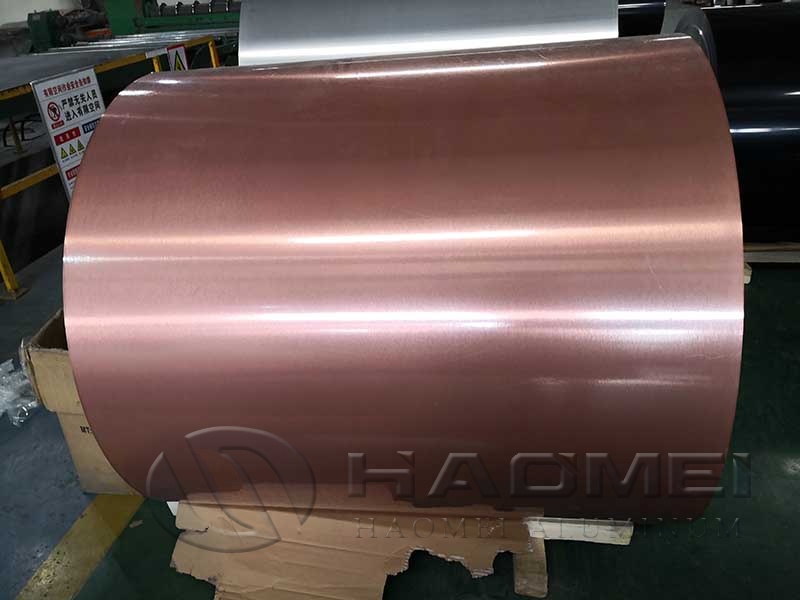
3. Will aluminum trim coil match my existing siding, gutters, or windows?
It can match closely, but "white," "black," "bronze," and "gray" are not universal colors. Two products with the same color name may differ in undertone, gloss level, metallic effect, or coating age. A charcoal window frame may look noticeably different beside a dark gray trim finish, especially in direct sun.
The most reliable method is to compare actual color samples outdoors. Check the sample beside the existing siding in morning light, midday light, and shade. Gloss matters because a low-gloss surface can appear darker than a shinier surface with a similar pigment.
When an exact match is unavailable, installers often choose a deliberate contrast. For example, black trim can frame light siding cleanly, while white trim can coordinate with soffit and gutter systems. A controlled contrast often looks more intentional than a nearly matched tone that reveals a slight color difference.
Factory-coated options such as PE PVDF Color Coated Aluminum Coils may offer different coating performance levels. PE finishes are widely used for standard architectural applications, while PVDF finishes are often considered where stronger resistance to long-term fading and weathering is needed.
4. Can I install aluminum trim coil without a brake?
Simple bends can be made with hand tools, a straightedge, clamping boards, and careful pressure, but a brake produces cleaner and more repeatable results. For narrow flashing-style folds, manual forming may be acceptable. For long fascia wraps, window caps, or crisp hemmed edges, a brake is strongly preferred.
Without a brake, common problems include uneven bends, cracked paint at sharp folds, visible kinks, and profiles that do not sit tightly against the wood. These issues are more noticeable on dark colors because they reflect light differently across uneven surfaces.
If hand forming is necessary, make a test piece first. Use a scrap length to confirm the bend sequence and allow extra material for hems and returns. Avoid dragging the painted face across rough work surfaces. Protective gloves, padded supports, and clean tools help prevent scratches.
| Installation factor | Recommended practice |
|---|---|
| Cutting | Use snips designed for aluminum or a suitable shear |
| Bending | Form gradual, controlled bends to protect the finish |
| Fastening | Use corrosion-resistant fasteners placed discreetly |
| Overlaps | Arrange laps so water flows over, not into, the joint |
| Expansion | Leave room for normal thermal movement on long runs |
5. How long does aluminum trim coil last outside in rain, heat, and snow?
A properly coated aluminum trim product can perform for many years outdoors because aluminum naturally resists rust. Unlike plain steel, aluminum does not form red iron oxide. However, durability still depends on coating quality, installation details, local climate, and maintenance.
The most frequent causes of early appearance problems are trapped moisture, abrasion during installation, contact with incompatible materials, and poor water management behind the trim. Aluminum should not remain in contact with wet pressure-treated lumber, uncured masonry, or dissimilar metals that can encourage galvanic corrosion. Use appropriate barriers or compatible fasteners where needed.
Inspect exterior trim seasonally, particularly after storms. Remove leaves and debris from fascia edges and gutters so water does not remain against seams. Wash visible dirt with mild soap and water, then rinse thoroughly. Do not use aggressive abrasives, since they can dull the painted surface.
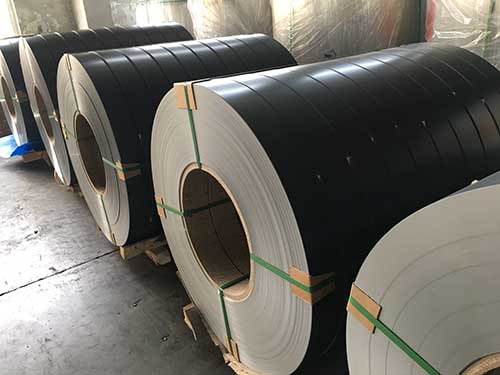
For coastal properties or high-UV regions, ask about the coating system, salt exposure suitability, and color retention expectations before selecting a finish. Dark colors can become hotter in direct sun, which makes correct fastening and allowance for expansion especially important.
Original source: https://www.hm-alu.com/a/aluminum-trim-coil-24-x-50.html
Tags:aluminum trim coil 24 x 50 24 inch aluminum trim coil aluminum trim coil colors exterior trim metal
Prev: Aluminum Ceiling Strips