

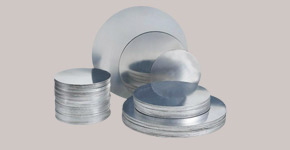
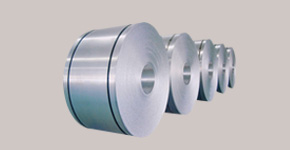
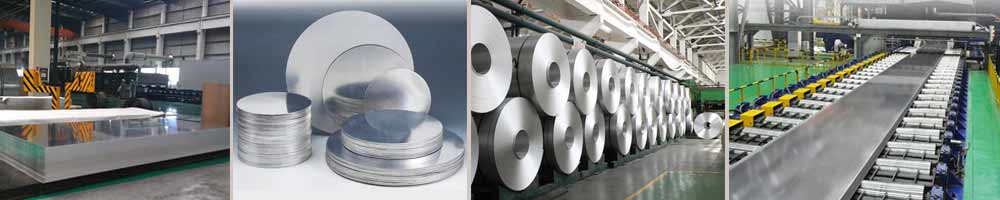
Aluminium Disc Price
Aluminium disc price is not a single number. It is a formula shaped by metal value, alloy, temper, diameter, thickness, surface requirement, order quantity, packaging, freight, duties, and risk timing. For cookware, lighting reflectors, pressure vessels, traffic signs, and deep-drawing parts, the top concern is usually landed-cost control without compromising drawability or surface quality.
A practical purchasing discussion should separate three items: base aluminium value, conversion charge, and logistics or compliance cost. If these are mixed together, a low quotation can hide poor tolerance control, high scrap rate, or delayed shipment.
Price structure
Most export quotations for aluminium discs are built from LME aluminium plus a processing premium. The London Metal Exchange publishes daily official aluminium prices in USD per metric ton, and many mills use LME cash or 3-month references for contract pricing. Regional premiums, such as Midwest premium in the United States or duty-paid European premiums, may also affect replacement cost.
| Cost item | What it covers | What to verify before ordering |
|---|---|---|
| Metal value | Primary aluminium, recycled content, alloying elements | LME reference date, currency, hedging rule |
| Conversion charge | Casting, rolling, annealing, leveling, blanking, inspection | Alloy, temper, thickness, tolerance, burr limit |
| Yield loss | Slitting edge loss, circle nesting loss, rejected discs | Net weight vs gross weight billing |
| Surface requirement | Mill finish, degreased, anodizing quality, coated surface | Stain, scratch, oil level, protective paper |
| Packaging | Wooden pallets, moisture barrier, edge protection | Seaworthy packing, pallet weight limit |
| Trade cost | Freight, insurance, tariffs, customs clearance | HS code, incoterm, country of origin |
For routine cookware blanks, 1050, 1060, 1070, 1100, and 3003 are common. High-purity 1070 usually costs more than 1050 or 1060 because of chemistry control. 3003 often carries a premium due to manganese content and stronger mechanical properties.
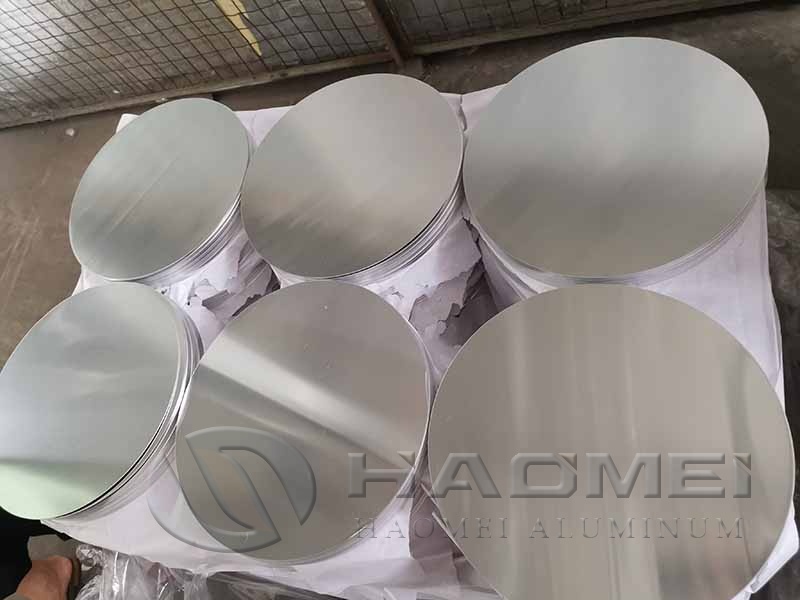
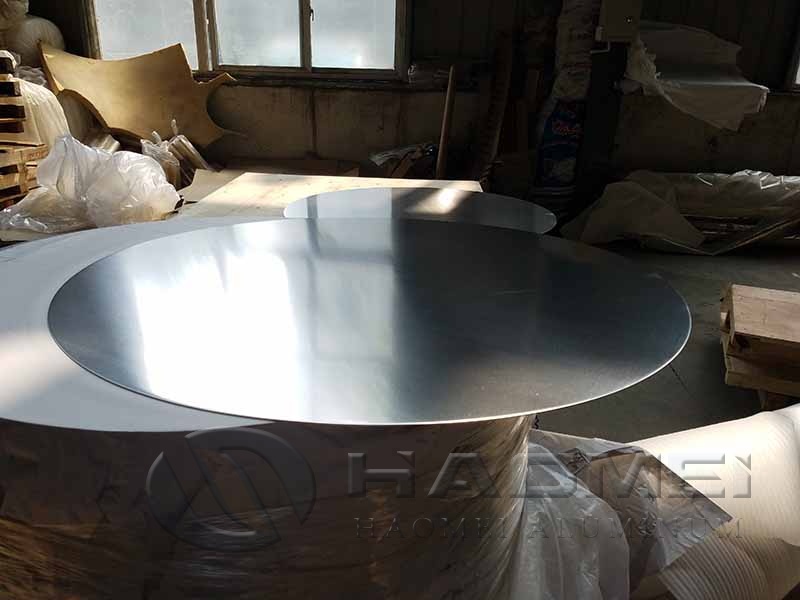
For natural integration into production planning, many factories source Aluminum Circle sheet products by alloy family and drawing depth rather than price alone. A disc that tears during spinning or deep drawing is expensive even if the invoice price looks attractive.
Specification choices
The fastest way to reduce unnecessary cost is to avoid over-specification. Tighter diameter tolerance, extremely low burr, premium surface, and individual interleaving all add cost. Some applications need them; many do not.
| Application | Typical alloy | Typical temper | Main price-sensitive requirement |
|---|---|---|---|
| Cookware pot and pan | 1050, 1060, 1070, 1100, 3003 | O, H12, H14 | Deep drawability, clean surface, low ear rate |
| Lighting reflector | 1060, 1070, 1100 | O, H18 | Reflectivity, stain control, anodizing response |
| Road sign blank | 3003, 5052 | H14, H24, H32 | Flatness, corrosion resistance, coating adhesion |
| Electrical enclosure part | 1060, 3003, 5052 | O, H14, H32 | Conductivity, forming stability, strength |
| Pressure vessel component | 3003, 5052 | O, H32 | Certified chemistry, mechanical properties |
Alloy and temper checklist
Use 1050 or 1060 when excellent formability and cost efficiency are the priority.
Use 1070 when higher aluminium purity or better reflectivity is required.
Use 3003 when moderate strength and formability are both needed.
Use 5052 only when corrosion resistance and higher strength justify the added cost.
Select O temper for deep drawing; select H12/H14 when shallow forming and stiffness are more important.
Request test data for tensile strength, elongation, chemical composition, and temper verification.
Relevant standards include ASTM B209 for aluminium and aluminium-alloy flat products, EN 573 for chemical composition, EN 485 for mechanical properties and tolerances, and ISO 6361 for wrought aluminium products. For food-contact cookware, also check local food-contact regulations. In the European Union, Regulation EC No 1935/2004 sets general requirements for materials intended to contact food. In the United States, FDA food-contact requirements and applicable state rules may apply depending on coating and final use.
Tolerance checklist
Disc price rises when mills must hold a narrow process window. Before approving a purchase specification, confirm these values:
Diameter tolerance, for example +/-0.5 mm or +/-1.0 mm.
Thickness tolerance based on applicable ASTM or EN standard.
Burr height requirement, especially for automatic feeding lines.
Flatness and camber limits.
Surface acceptance rule for scratches, water marks, black spots, and oil stains.
Grain size or earing requirement for deep-drawn cookware.
Inner and outer packing method to prevent moisture oxidation.
For high-volume cookware lines, Aluminum Circle Discs should be evaluated by trial forming, not only by mill certificate. A 2% to 5% forming rejection rate can erase the savings from a cheaper quote.
Landed-cost control
A reliable comparison should use the same incoterm, payment term, packing basis, and shipment schedule. FOB, CFR, CIF, DAP, and DDP prices are not directly comparable. Ocean freight can move sharply during port congestion, fuel cost changes, or container imbalance.
| Quotation point | Risk if ignored | Practical control |
|---|---|---|
| Incoterm | Hidden freight or terminal charges | Compare all offers on FOB or CIF only |
| Net weight basis | Paying for packaging as metal | State net metal weight on invoice |
| Payment term | Extra financing cost | Compare LC, TT, OA, and deposit terms |
| Lead time | Production stoppage or airfreight | Lock rolling slot and shipment week |
| Tariff and duty | Unexpected customs cost | Confirm HS code and origin documents |
| Currency | Exchange-rate loss | Fix currency or use adjustment clause |
Regulatory cost is increasingly important. The EU Carbon Border Adjustment Mechanism has included aluminium in its transitional reporting phase since October 2023, with financial obligations scheduled from 2026 under EU rules. Importers serving the EU market should request emissions data where applicable. The United States has Section 232 measures on many aluminium imports, and rates or exemptions can change by country and product. Always confirm with customs counsel or official tariff databases before shipment.
Market timing checklist
Aluminium pricing is cyclical because supply and demand react to energy cost, smelter curtailments, automotive demand, construction activity, packaging demand, interest rates, and inventory levels. The International Aluminium Institute publishes global primary aluminium production data, while LME warehouse stocks show exchange-registered inventory. These sources help explain pricing direction, but they do not replace a contract strategy.
Use these steps when market volatility is high:
Ask the mill to quote metal and conversion separately.
Define the LME pricing date or average period.
Avoid open-ended validity when metal prices are moving daily.
Split large annual demand into monthly or quarterly releases.
Keep safety stock for critical diameters and tempers.
Compare local warehousing cost with emergency replenishment cost.
Audit supplier capability for annealing uniformity and blanking precision.
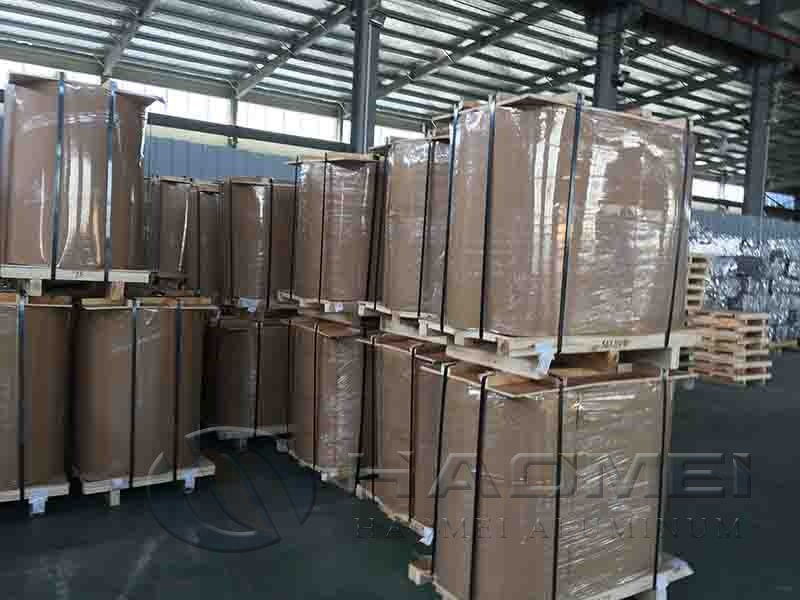
A professional RFQ should include alloy, temper, diameter, thickness, quantity, tolerance, surface, application, standard, packaging, destination port, incoterm, required documents, and inspection method. Ask for mill test certificates showing chemistry and mechanical properties. For cookware and food-contact applications, request declarations linked to the final market, not generic statements.
Quality disputes are usually caused by incomplete specifications. Define acceptance criteria with photos, numeric tolerances, and sampling plan. ISO 2859-1 sampling can be used when both parties agree on inspection level and AQL, but it should be written into the order contract.
When evaluating offers, do not choose by unit price only. Calculate cost per approved finished part. Include scrap, downtime, tool wear, claims handling, delayed delivery, and inventory carrying cost. The most competitive aluminium disc price is the one that delivers stable forming performance, predictable documentation, and controlled landed cost over multiple shipments.
Original source: https://www.hm-alu.com/a/aluminium-disc-price.html
Tags:Aluminium Disc Price Aluminum Circle Aluminum Circles Aluminium Disc Cost Cookware Aluminium Blanks
Prev: Aluminium Circle Price
Next: Aluminum Circle Disc