

Aluminum Circle
5 Hot Aluminum Circle Questions People Ask Before Ordering
When comparing an Aluminum Circle offer, many new purchasers ask the same practical questions: Which alloy is right? Will it crack during deep drawing? Is it safe for cookware? Why do prices vary so much? The following article may give you an answer.
1. What grade of aluminum circle is best for cookware?
For cookware, the most common choices are 1050, 1060, 1070, 1100, and 3003 aluminum circle. The 1000 series contains high aluminum purity, so it offers excellent thermal conductivity and easy forming. This is why it is widely used for frying pans, pressure cooker parts, rice cooker liners, non-stick pot bodies, and lids.
3003 aluminum circle contains manganese, giving it higher strength than 1050 or 1060 while still keeping good formability. If the part needs better dent resistance, 3003 is often preferred. If the application requires maximum softness and fast heat transfer, 1050 or 1060 may be more suitable.
| Alloy | Typical Character | Common Use |
|---|---|---|
| 1050 | Very soft, high purity, easy to spin | Light cookware, reflectors, lamp parts |
| 1060 | Good conductivity and formability | Pot bodies, kettle parts, lids |
| 1100 | Soft, corrosion resistant | Cookware, nameplates, industrial parts |
| 3003 | Stronger, good deep drawing behavior | Pressure cooker parts, thicker cookware |
A good question to ask a supplier is not only, "What alloy do you offer?" but also, "Can you match the alloy, temper, and surface condition to my forming process?" The same grade can perform differently if the annealing is poor or the surface is scratched.
2. What thickness should I choose for an aluminum circle?
Thickness depends on the final product diameter, forming depth, required stiffness, and production method. Thin circles are easier to form and reduce material cost, but they may deform during polishing, coating, or end use. Thicker circles give better rigidity but require more forming force.
For small cookware parts, 0.5 mm to 1.5 mm is common. For deeper pans, rice cooker liners, and pressure cooker components, 1.5 mm to 4.0 mm may be used. Industrial discs can be thicker, especially when machining or heavy stamping is involved.
| Application | Common Thickness Range | Selection Note |
|---|---|---|
| Lamp cover and reflector | 0.4-1.2 mm | Surface brightness matters |
| Pot lid | 0.6-1.5 mm | Needs flatness and edge quality |
| Frying pan | 1.5-3.5 mm | Balance heat transfer and stiffness |
| Pressure cooker part | 2.0-5.0 mm | Higher strength may be needed |
| Deep drawn liner | 0.8-2.5 mm | Temper control is very important |
If you are replacing an existing material, measure the final part, not only the starting disc. Deep drawing changes the wall and base thickness. A small trial batch is often the safest way to confirm thickness before placing a large order.
3. Why does an aluminum circle crack during deep drawing or spinning?
Cracking is one of the most discussed aluminum circle problems because it wastes material and interrupts production. The cause is not always the alloy itself. In many cases, cracking comes from a mismatch between temper, lubrication, die radius, blank size, and forming speed.
Soft tempers such as O temper are usually preferred for deep drawing. If the circle is too hard, it may split at the wall or edge. If the blank edge has burrs, tiny cracks may start from the edge and grow during forming. Poor lubrication can also increase friction and pull the metal unevenly.
Common causes include:
Temper is too hard for the drawing depth.
Edge burrs or micro-cracks were left after blanking.
Die radius is too sharp.
Lubrication is not suitable for aluminum.
Blank diameter is not matched to the final part.
Annealing is uneven across the batch.
Before blaming the material, check crack position. Edge cracking often relates to blanking quality. Wall cracking may relate to temper or die design. Base cracking may relate to excessive thinning or wrong forming pressure.
4. Is aluminum circle safe for food-contact cookware?
Aluminum itself is widely used in cookware, but safety depends on alloy selection, surface treatment, cleanliness, and local food-contact regulations. For cookware production, suppliers usually provide materials with stable chemical composition and a clean surface suitable for later washing, polishing, anodizing, or non-stick coating.
For direct food-contact items, manufacturers often add a protective finish, such as anodizing or food-grade coating. Anodizing improves corrosion resistance and surface hardness. Non-stick coating reduces food adhesion and limits direct metal contact. The coating system should be tested according to the destination market requirements.
If food-contact compliance matters, request documents such as chemical composition reports, RoHS or relevant restricted substance statements when applicable, and coating compatibility information. A material certificate does not replace finished-product testing, but it helps verify that the raw disc is suitable for the intended process.
For cookware factories comparing Aluminum Circles, surface cleanliness is as important as alloy. Oil stain, black lines, oxidation marks, and scratches can affect coating adhesion and final appearance.
5. Why are aluminum circle prices different from one supplier to another?
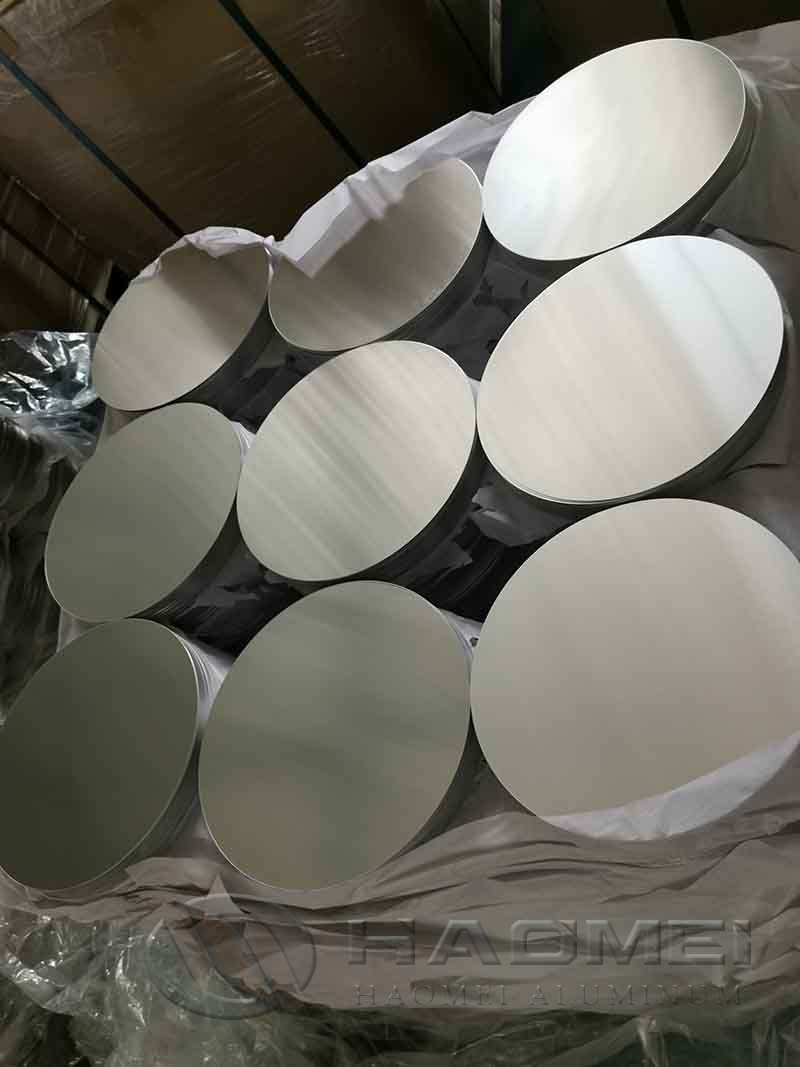
Price differences usually come from alloy, thickness tolerance, surface requirement, minimum order quantity, packing, processing method, and current aluminum ingot cost. A very low price may look attractive, but it can hide wider tolerance, poor edge quality, mixed temper, or weak packaging.
| Price Factor | How It Affects Cost | What to Confirm |
|---|---|---|
| Alloy | 3003 may cost more than 1050 or 1060 | Exact chemical composition |
| Tolerance | Tighter tolerance needs better control | Thickness and diameter tolerance |
| Surface | Coating-ready surfaces need cleaner handling | Scratches, oil stain, oxidation |
| Edge quality | Deburred edges add processing cost | Burr height and roundness |
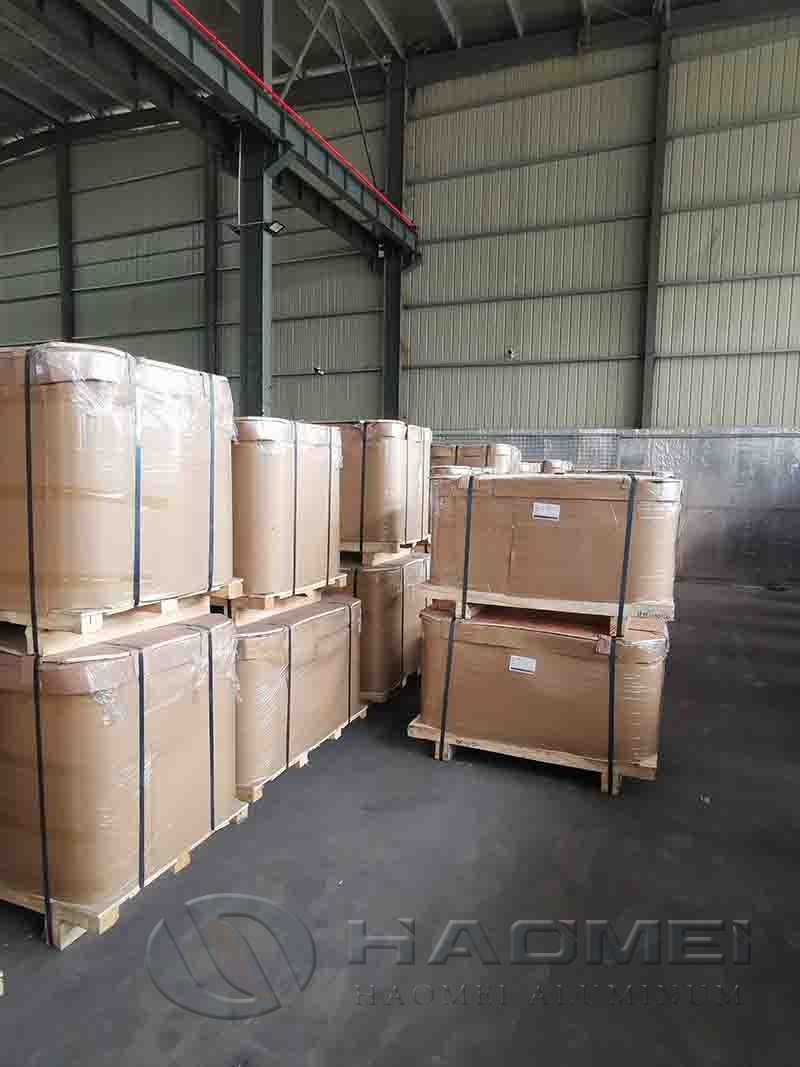
| Packing | Export packing protects against moisture | Pallet, film, desiccant, labels |
| Quantity | Larger orders reduce unit processing cost | Trial order and repeat order terms |
A strong quotation should state alloy, temper, diameter, thickness, tolerance, surface condition, inner and outer packing, estimated production time, and inspection method. If the disc will be deep drawn, spun, anodized, or coated, mention this before quotation. The supplier can then adjust the material route instead of offering a general-purpose disc that may not perform well in your workshop.
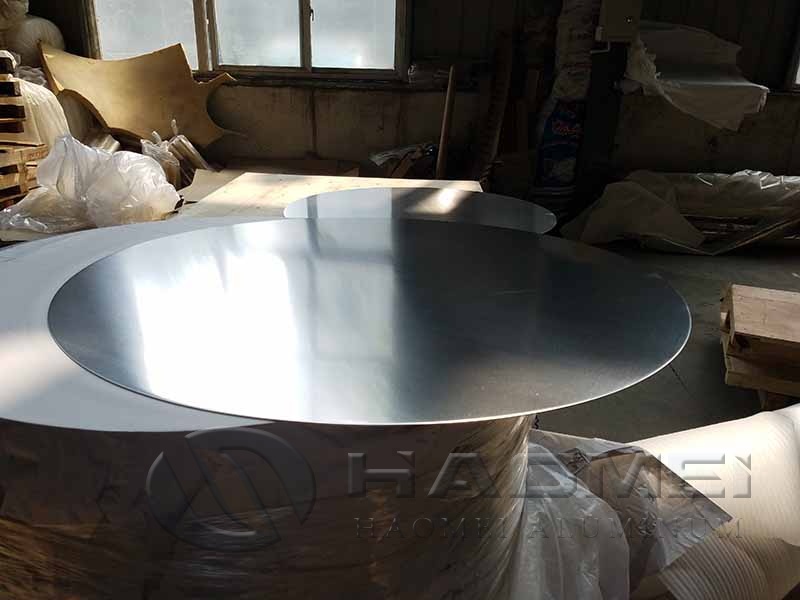
For a first order, ask for photos of stock, packaging style, sample test options, and mill test certificate format. Also confirm whether the supplier controls burrs, black spots, wave, and diameter deviation before shipment. These details have a direct effect on your forming yield and finished product appearance.
Original source: https://www.hm-alu.com/a/aluminum-circle.html
Tags:aluminum circle aluminum circles aluminum disc cookware aluminum blank anodized aluminum circle
Prev: 1050 Aluminum Sheet